
Essential Dietary Guidelines for Gallbladder Health and Prevention of Stones
Proper dietary habits are essential in managing gallstones and maintaining gallbladder health. This comprehensive guide highlights key foods and nutrition strategies that promote bile flow, prevent stone formation, and support digestion. Emphasizing vegetables, healthy fats, fiber, and low-glycemic options, the article offers practical tips for those recovering from gallbladder surgery or seeking to prevent gallstone issues. Adapting your diet gradually and avoiding trigger foods can significantly improve your well-being and prevent future complications related to gallbladder problems.
The gallbladder plays a vital role in digesting fats and storing bile, yet many individuals suffer from gallstones that can cause discomfort and require medical intervention. Common symptoms associated with gallbladder problems include nausea, bloating, frequent burping, indigestion, dizziness, back pain, and excessive gas. When gallstones grow too large or cannot be dissolved through medication, surgical removal of the gallbladder becomes necessary. Post-surgery, adjusting dietary habits is crucial for maintaining digestive health and preventing future complications. Implementing specific dietary plans aimed at promoting gallbladder health is essential for those at risk or recovering from gallstone-related procedures.
The Importance of Diet in Gallbladder Health
Your dietary choices significantly influence both the prevention and management of gallbladder issues. Proper nutrition supports healthy bile flow, reduces cholesterol levels in the bile, and minimizes the formation of gallstones. Conversely, diets high in saturated fats, refined sugars, and processed foods can contribute to gallstone development and aggravate existing symptoms. Maintaining a balanced diet rich in fiber, healthy fats, and essential nutrients is key to preventing gallbladder problems and promoting overall digestive wellness.
High saturated fat intake elevates cholesterol and triglyceride levels, creating a conducive environment for gallstone formation. Overweight and obesity are acknowledged risks factor for gallstone development, but extreme dieting methods, such as crash dieting, can worsen the problem. Such diets tend to increase cholesterol secretion into the bile by the liver, leading to a higher risk of cholesterol crystal formation within the gallbladder. A well-rounded, nutritious diet emphasizing fresh produce, fiber, and healthy fats plays a decisive role in preventing gall stones.
Creating a personalized gallbladder-friendly diet involves incorporating specific foods and avoiding others that trigger symptoms. Ongoing research underscores the importance of dietary patterns that support the health of your biliary system, especially after gallbladder removal or surgery. Dietary modifications are a proactive approach to ensure continued gallbladder health, reduce the likelihood of recurrent stones, and enhance digestion.
### Key Components of a Gallbladder-Healthy Diet
- Vegetables: Including tomatoes, beets, cucumbers, shallots, okra, sweet potatoes, avocados, carrots, celery, Swiss chard, dandelion greens, baby greens, onions, and garlic supports bile flow and provides essential nutrients.
- Healthy Fats: Incorporate omega-3 fatty acids found in cold-water fish, hemp seeds, and flaxseeds. These fats are anti-inflammatory and contribute to overall biliary health.
Advocating for a Low-Glycemic Diet
Foods with a low glycemic index release sugars slowly, preventing spikes in blood glucose and insulin levels. This slow release mechanism helps mitigate the risk of gallstone formation. Legumes, whole grains, fruits, and vegetables are excellent low-glycemic choices that support metabolic health and reduce biliary stress.
- Legumes: Lentils, chickpeas, and beans are rich in fiber and have a low glycemic index.
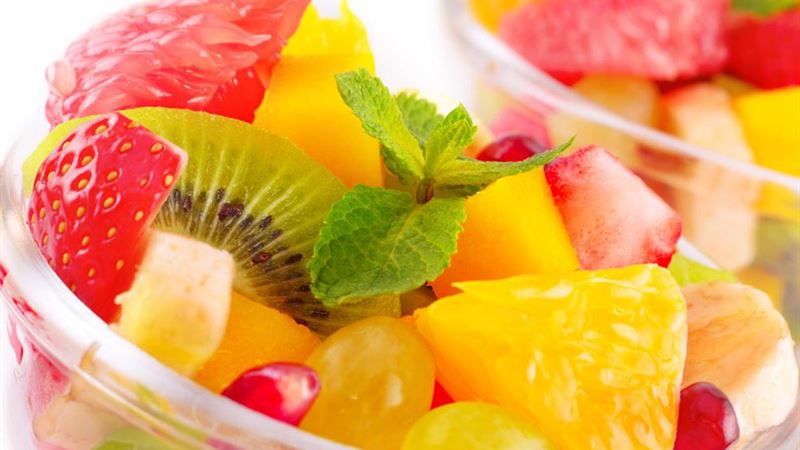
- Fruits: Berries, apples, pears, and citrus offer essential nutrients along with low glycemic levels.
Reducing Animal Protein Intake
While protein is vital for your body, over-reliance on animal-based sources such as red meat, pork, and processed meats can increase fat content and strain digestion. Plant-based proteins like seeds, nuts, legumes, and tofu provide necessary nutrients with less fat and cholesterol, making them preferable for gallbladder health. Reducing animal protein consumption supports smoother digestion and decreases the risk of stone formation.
Calorie Moderation and Weight Management
Overeating and excess calorie consumption are directly linked to obesity, which significantly elevates the risk of gallstones—up to sixfold. A gradual reduction in calorie intake, combined with balanced nutrition, can help achieve and maintain a healthy weight. Avoid drastic calorie restrictions, as they can hinder bile secretion and cause cholesterol to precipitate as stones. Instead, focus on portion control and gradual dietary adjustments to support your gallbladder.
Fiber-Rich Diet for Gallbladder Wellness
Dietary fiber plays a crucial role in preventing gallstone formation by aiding in the elimination of excess cholesterol and bile acids from the body. Incorporate ample servings of fruits, vegetables, whole grains, and legumes into your daily meals. Gradually increase fiber intake to prevent bloating, gas, or constipation. Maintaining hydration is equally important—drink plenty of water to facilitate digestion and prevent bile concentration issues.
Magnesium's Role in Preventing Gallstones
Magnesium helps regulate cholesterol levels, lowers plasma triglycerides, and promotes healthy bile composition. Foods rich in magnesium include dark leafy greens, seeds, nuts, fish, soybeans, avocados, yogurt, bananas, and dark chocolates. Regularly including these foods in your diet can reduce the likelihood of gallstone development and support overall biliary health.
If you’ve experienced gallstones or undergone gallbladder removal surgery, diet management becomes even more critical. Certain foods such as dairy products, gluten, fried foods, refined sugars, red meats, spicy foods, alcoholic beverages, black tea, carbonated drinks, processed, and canned foods should generally be avoided since they can trigger symptoms or complicate recovery.