
Comprehensive Guide to Different Types and Uses of Storage Canisters
Explore the diverse world of storage canisters—covering types, materials, and uses—designed to elevate household organization. This detailed guide highlights how these versatile containers improve food preservation, keep spaces tidy, and adapt to every room's needs. Learn how choosing the right canisters can simplify life, reduce clutter, and enhance your home’s comfort. Discover practical tips for selecting, storing, and maintaining canisters for maximum efficiency and style, making your living space more organized, hygienic, and inviting.
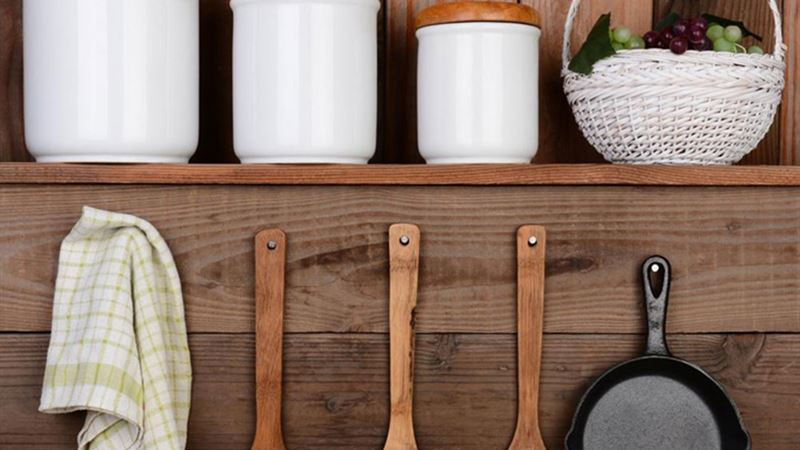
Storage canisters are essential household items that often go unnoticed, yet they play a vital role in maintaining an organized and efficient living space. While some may dismiss the term as merely a decorative label, the practicality of canisters is undeniable as they improve storage, preserve freshness, and aid in decluttering your home. Whether in kitchens, garages, laundry rooms, or living spaces, these versatile containers help keep items safe, accessible, and tidy, contributing significantly to everyday comfort and convenience.
Understanding the various types, designs, and functions of storage canisters can help homeowners select the right options for their needs. From food storage to organizing household items, the diversity of canister options available today allows for customization and optimization tailored to specific spaces and purposes. This comprehensive guide explores the different categories, materials, shapes, and uses of storage canisters to help you make informed choices and enhance your home's organization.
Historically, the inception of canisters traces back to large-scale industries that needed airtight, water-resistant containers to protect valuable goods. Early models were designed to store perishables that required specific conditions, like dry spices, grains, or dried herbs. As the demand for household storage grew, manufacturers began experimenting with different materials and sizes, leading to the variety we see today. Cost-effective manufacturing methods and innovative material choices have made storage canisters accessible and affordable for consumers worldwide.
In households, canisters are commonly found not only in kitchens but also in garages, laundry rooms, and even bedrooms. In garages, they serve as practical containers for tools, hardware, and seasonal items. Laundry rooms often utilize canisters for storing detergents, fabric softeners, and clean or used linen. In recreational or living areas, small canisters help organize children's toys, stationery, or remote controls—reducing clutter and making items easier to locate.
Design versatility is one of the key strengths of storage canisters. They come in myriad shapes—cylindrical, square, cuboid, or even custom-designed forms—to fit different spaces and aesthetic preferences. Varying sizes accommodate different storage needs, from small spice jars to large bulk containers. Materials range from glass and stainless steel to plastics of various grades, each offering unique benefits in durability, weight, and appearance.
While often overlooked, canisters have profoundly impacted daily living by introducing a level of organization and cleanliness that simplifies chores and enhances the overall ambiance of the house. They foster a more systematic approach to storage, reduce waste, and promote hygiene, especially when used correctly. Investing in quality canisters tailored to your specific needs can dramatically improve household functionality and aesthetic appeal.
Understanding the nuances of different canister types and their applications can help you select the perfect solutions for your home. Whether you are looking to upgrade your kitchen storage, organize your garage, or tidy up your living room, there is a canister designed to meet your needs. Embracing variety and functionality can lead to a more comfortable, clutter-free, and efficient living environment.
In conclusion, storage canisters are more than mere containers—they are versatile tools that contribute significantly to household organization, food safety, and aesthetic appeal. Exploring the different categories, materials, and usage scenarios empowers homeowners to make smarter choices, ultimately creating a more harmonious and functional living space.