
Innovative Kitchen Storage Solutions: A Deep Dive into Canister Technology
Explore the evolution of kitchen canisters from basic storage tools to stylish, multifunctional essentials. Discover how they revolutionize kitchen organization, enhance decor, and keep food fresh. Whether you prefer vintage designs or modern airtight models, learn how canisters support a tidy, efficient, and beautiful kitchen environment. This comprehensive guide delves into their history, materials, features, and future trends, emphasizing their importance in modern home design and culinary convenience. Perfect for homeowners, decorators, and food enthusiasts seeking optimal kitchen solutions.
Although the precise origin of canisters remains uncertain, it is evident that their adoption was swift and widespread across various industries. Their rapid integration into manufacturing and storage applications signaled their importance early on. Recognizing their utility, industries quickly ordered large quantities of canisters to streamline operations, demonstrating their pivotal role in organizational efficiency. This initial industrial success laid the foundation for their entry into the domestic sphere, where they soon became indispensable in household kitchens.
Historically, kitchens have been repositories of various containers designed to hold ingredients and foodstuffs essential for daily meals. From ancient times, the necessity to store staples efficiently has driven innovation in kitchen organization. The goal has always been to maintain order, prevent spoilage, and streamline cooking processes, which directly influences the overall functionality of a home.
The earliest forms of kitchen storage involved simple sacks, pouches, and open baskets used to keep grains, spices, and other essentials. These methods, while primitive by today's standards, were practical at the time. Open storage allowed for quick access but lacked protection from pests, moisture, and contamination. As households grew more organized and our understanding of food preservation evolved, so did the need for better storage solutions.
With the advent of more refined storage options, the focus shifted to containers that could safeguard food while also enhancing the aesthetic appeal of kitchens. This desire for elegant yet practical storage led to the development of various container designs, among which canisters emerged as a perfect solution. Their ability to combine functionality with visual appeal made them favorites among homemakers, marking a significant improvement in home organization.
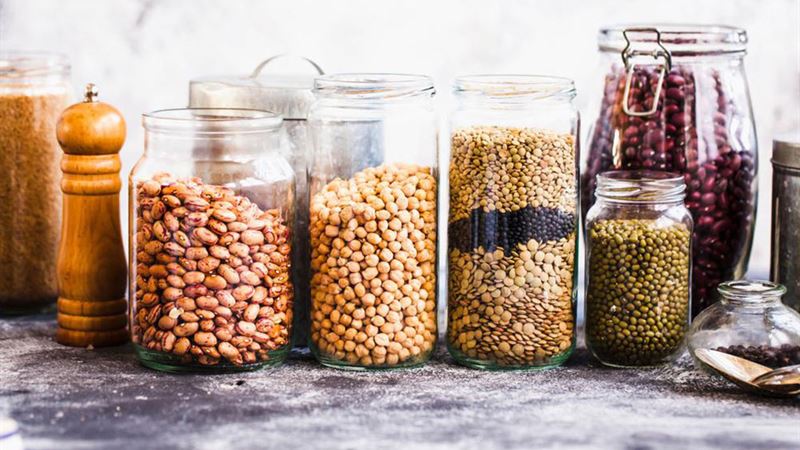
Canisters aren't just about storage; they symbolize a transition toward modern kitchen aesthetics. Their versatile designs—ranging from glass to metal, from vintage to contemporary—allow homeowners to personalize their kitchen spaces. The transparent varieties enable quick identification of contents, while decorative models contribute to the overall ambiance of the room. The evolution of canister design continues to reflect broader trends in lifestyle and home decor.
Today, the market offers an extensive array of kitchen canisters tailored to diverse needs. From airtight models that prolong freshness to stackable units saving space, the variety is impressive. Additionally, materials such as stainless steel, ceramic, glass, and bamboo provide options that align with eco-friendly practices and style preferences. As part of the broader trend toward minimalist and clutter-free kitchens, canisters play a crucial role in achieving streamlined and organized culinary environments.
Beyond aesthetics, modern canisters incorporate features such as airtight seals, moisture control, and ergonomic designs, making them highly functional. These innovations help preserve the quality of stored ingredients, reduce waste, and improve overall kitchen hygiene. Whether used for flour, sugar, coffee, tea, or spices, these containers ensure that essentials are kept fresh and accessible at all times.
Advances in manufacturing techniques and material science continually enhance canister durability and convenience. For example, vacuum-sealed canisters minimize exposure to air, maintaining ingredient freshness for extended periods. Similarly, modular storage systems facilitate efficient use of space and easy access, especially in compact kitchens. These aspects underscore the ongoing importance of canisters in modern culinary spaces.
In conclusion, kitchen canisters have transitioned from simple utilitarian containers to stylish, versatile, and essential tools for home chefs and decorators alike. They represent a harmony of form and function, embodying the progress of kitchen storage technology. As homes become smarter and kitchens more personalized, the role of canisters as both a storage solution and a design element will only grow, continuing to influence how we organize and enjoy our culinary spaces.