
Comprehensive Guide to Skin Cancer: Prevention, Detection, and Treatment
This detailed guide provides comprehensive information on skin cancer, including symptoms, diagnosis, preventive tips, and treatment options. Early detection is vital, and understanding risk factors can significantly improve outcomes. Learn how to identify warning signs, when to seek medical help, and protective measures to reduce your risk of developing skin cancer. Empower yourself with knowledge and take proactive steps to safeguard your skin health and overall well-being.
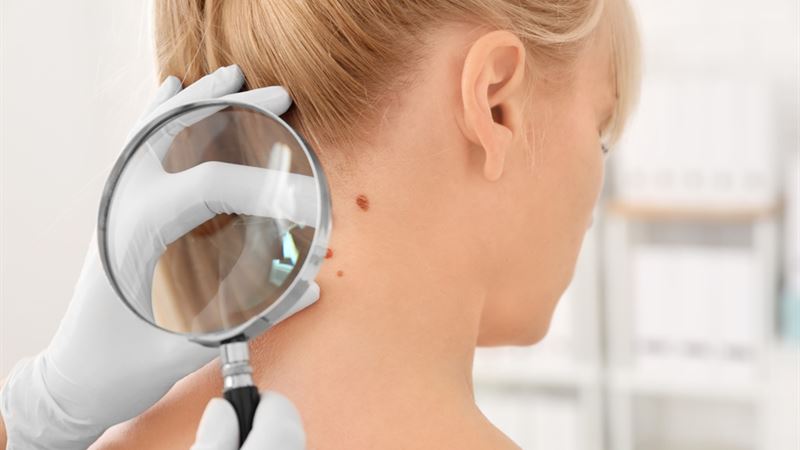
- Skin cancer occurs due to the uncontrolled growth of abnormal skin cells, often triggered by genetic factors and environmental exposure.
- Repeated exposure to ultraviolet (UV) rays from the sun is a primary risk factor increasing susceptibility.
- There are various types of skin cancer, with basal cell carcinoma, squamous cell carcinoma, and melanoma being the most common.
- While skin cancer is more common in sun-exposed areas, it can also develop in less exposed regions, making awareness essential.
- Typically, skin cancer manifests on areas like the face, lips, ears, scalp, neck, and hands, which are constantly exposed to sunlight.
- It also appears on less visible regions such as the arms, legs, and even under clothing in some cases.
- In certain melanoma cases, the disease develops on parts of the body that usually have little sun exposure, like the palms of the hands, soles of the feet, and genital areas.
- Skin tone does not significantly influence where skin cancer occurs, although fair-skinned individuals are generally at higher risk.
- The initial indications often include small, atypical moles or spots that change size, shape, or color over time.
- Commonly, skin cancer begins as a small, flat or raised bump that may be scaly or crusty, with a red or brown hue, especially in sun-exposed areas.
- In the case of melanoma, warning signs include moles that change shape, develop irregular borders, bleed, or exhibit different colors within the same lesion.
- Visual aids and photo galleries from reputable medical websites are helpful resources to familiarize oneself with these changes.
- If any suspicious lesion or mole is noticed, prompt consultation with a skin specialist is crucial for early diagnosis.
- Diagnosis generally involves clinical examination and assessment of the skin’s appearance.
- Doctors may evaluate the lesion’s features, such as asymmetry, border irregularities, color variations, diameter, and evolving nature—collectively known as the ABCDEs of melanoma detection.
- To confirm suspicion, a biopsy is performed. During this procedure, a small sample of skin tissue is extracted and examined under a microscope.
- Biopsy results help determine whether the lesion is malignant and identify the type of skin cancer, aiding in tailored treatment plans.
- Advanced imaging techniques or blood tests may be employed to assess whether the cancer has spread, especially in advanced stages.
- Early detection enables effective treatment, often resulting in complete cure with minimal scarring.
- Possible treatments include:
- Cryosurgery: Freezing cancerous tissue with liquid nitrogen causes cell death. This method is suitable for superficial skin cancers and precancerous lesions.
- Excision Surgery: Surgical removal of the tumor along with some surrounding healthy tissue ensures complete removal of malignant cells.
- Mohs Micrographic Surgery: A precise surgical technique where thin layers of cancerous tissue are removed and examined in real-time, preserving as much healthy tissue as possible. Ideal for facial cancers or recurrent tumors.
- Radiation Therapy: High-energy radiation aims to destroy residual cancer cells, often used in cases where surgery isn't feasible or to target difficult areas.
- Chemotherapy and Targeted Therapy: Systemic treatments, including topical applications or pills, are employed especially for advanced or metastatic skin cancers, such as advanced melanoma.
- Using broad-spectrum sunscreens with high SPF, and reapplying regularly, minimizes UV damage.
- Wearing protective clothing, wide-brimmed hats, and sunglasses helps shield vulnerable skin areas.
- Seeking shade during peak sunlight hours (10 a.m. to 4 p.m.) reduces exposure.
- Avoiding tanning beds and excessive sunbathing is recommended, especially for young adults.
- Regular skin self-examinations can detect suspicious changes early. Look for new moles, or changes to existing ones, and consult a dermatologist if concerns arise.
- Annual skin checks by healthcare professionals are advised for individuals at higher risk.
Overall, awareness and proactive measures are key to managing skin cancer risks. Early diagnosis through vigilant observation and routine medical check-ups significantly increase successful treatment outcomes. Advances in surgical and non-surgical treatments continue to improve survival rates and reduce side effects. Remember, protecting your skin from UV damage and being attentive to changes on your skin can save your life. Don’t wait until it's too late—prioritize skin health today by adopting preventive strategies and seeking professional advice at the first sign of trouble.