
Comprehensive Guide to Effective Dry Skin Management and Care
This extensive guide offers valuable insights into effective dry skin care practices, highlighting suitable products, tips for daily routine, and understanding the role of moisturizers. Proper hydration and protection strategies are essential to soothe and repair dry skin, ensuring healthier, more comfortable skin. Learn about choosing the right moisturizer, using natural fabrics, and adopting lifestyle habits to combat dryness efficiently, even during harsh weather. Empower yourself with practical advice to restore moisture, protect your skin's barrier, and maintain hydration for healthier skin every day.
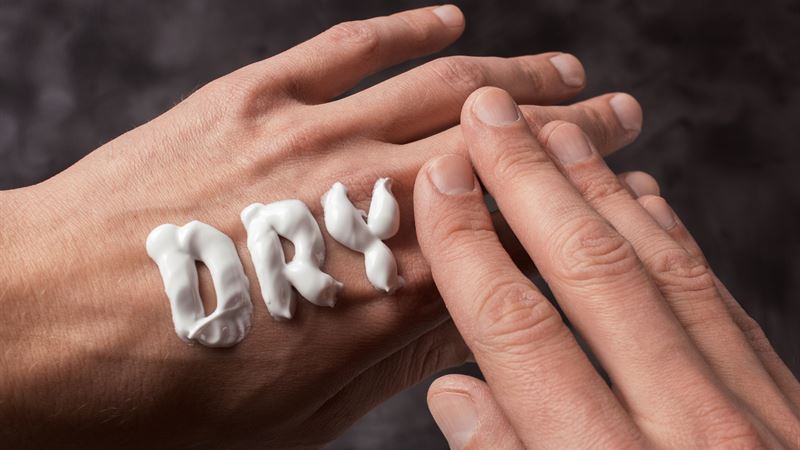
Dealing with dry skin can be a persistent challenge affecting individuals across all ages. Proper skincare routines, suitable products, and lifestyle adjustments are vital to restoring hydration, protecting your skin, and preventing further dryness. This comprehensive guide explores everything you need to know about caring for dry skin, from selecting the right moisturizers to practical daily tips and choosing beneficial products. Whether you experience seasonal dryness or chronic skin issues, understanding these strategies will help you achieve healthier, more comfortable skin.
Essential Practices for Managing Dry Skin
- Immediately apply a nourishing moisturizer after bathing to lock in moisture and prevent dehydration. This step is crucial because the skin tends to be most receptive to hydration right after washing or bathing.
- Opt for targeted treatments and creams over basic moisturizers when dealing with severe dryness, as these formulations generally deliver more potent hydrating benefits while minimizing irritation.
- Select lip balms specifically designed to soothe and relax chapped lips, using ingredients like beeswax, shea butter, or jojoba oil.
- Limit the use of deodorants, soaps, and skincare products that contain harsh chemicals or alcohol, as these can strip away natural oils and exacerbate dryness.
- Wear protective gear like gloves to shield your hands from harsh weather conditions or frequent contact with drying substances, thereby maintaining skin moisture levels.
- Choose natural fabrics such as cotton or silk under clothing made from fleece or other coarse materials that can irritate and dry out the skin.
- Avoid sitting close to open flames, heaters, or other sources of dry heat, which can further dehydrate your skin and worsen dryness.
Guidelines for Selecting the Right Moisturizer for Dry Skin
- Prioritize simple, dermatologist-recommended formulas that contain minimal ingredients to prevent pore clogging and skin irritation. A straightforward product often delivers better hydration without unnecessary additives.
- Understanding your specific skin needs is essential — whether your skin needs intense hydration, barrier repair, or soothing properties. This knowledge helps in choosing the most suitable product.
- For dry skin, look for oil-based formulations or products infused with nourishing ingredients like shea butter, cocoa butter, or jojoba oil, which create a protective layer and lock in moisture.
- Apply moisturizers at night to give your skin ample time to absorb nutrients and repair itself while you sleep. Night formulations are typically richer and more restorative.
- Choose scents based on personal preference — whether you prefer the calming aroma of chamomile or the invigorating scent of citrus. Fragrance should complement your comfort and skin sensitivity.
- Pay special attention to areas prone to dryness such as elbows, knees, and feet. Use heavier creams or ointments on these zones to ensure deep hydration.
- Keep a portable, highly nourishing cream or balm in your bag for quick relief throughout the day, especially in dry or cold climates.
Popular Moisturizing Products for Dry Skin Relief
- **Nivea Nourishing Cream:** Enriched with jojoba oil and vitamin E, this moisturizer is excellent at rapidly restoring moisture without leaving a greasy residue. It’s suitable for use all over the body, especially for dry patches.
- **Kiehl’s Ultra Facial Deep Moisture Balm:** Designed to withstand extreme conditions, this thick cream provides long-lasting hydration, making it ideal for very dry or winter-damaged skin.
- **St. Ives Timeless Skin Facial Moisturizer:** Infused with elastin, collagen, and safflower seed oil, this lotion enhances skin elasticity and repairs dryness, suitable for both day and night routines.
- **CeraVe Moisturizing Cream:** Developed with dermatologists, this cream contains ceramides that strengthen the skin’s natural barrier and trap moisture effectively. It’s widely recommended for people with psoriasis, eczema, or dermatitis.
How Moisturizers Function to Combat Dry Skin
- The skin's natural moisture supply is maintained through blood vessels that deliver hydration to the dermis, the inner layer of skin. However, this moisture can diminish due to environmental factors and skin conditions.
- Water from the dermis gradually moves upward through the epidermis, the outermost layer, and escapes into the environment—an ongoing process called transepidermal water loss.
- This continuous loss leads to dry, flaky, and cracked skin, particularly in dry or cold climates.
- Moisturizers work by forming a barrier that traps water within the skin, reducing evaporation and keeping the skin hydrated longer.
- They help replenish the outermost layer, restoring suppleness and softness while preventing further water loss.
- Customized formulations, especially occlusive types, provide an extra shield against external irritants and dehydration.
Understanding Occlusive Moisturizers
- Occlusive moisturizers are a category of skin hydration products made mainly from substances like petrolatum, beeswax, silicones, or oils. They create a physical barrier on the skin surface that prevents water from evaporating.
- These products are especially beneficial for severely dry skin or skin conditions like eczema and psoriasis where the skin’s barrier is compromised.
- Their formulation includes long chains of carbon molecules, which repel water and seal in moisture effectively.
- While highly effective at combating dryness, occlusive products can sometimes feel greasy or sticky, and may not always be the most aesthetically pleasing options for daily use.
- Choosing between occlusive and other moisturizing types depends on the severity of dryness, skin sensitivity, and personal preference.
Most moisturizers designed for dry skin are rich creams or ointments with a thick consistency. These products are tailored to provide deep hydration, restore the skin barrier, and offer long-lasting relief. By selecting the right formulations and following a dedicated skincare routine, individuals can successfully manage dry skin symptoms, improving comfort and skin health over time.