
Comprehensive Guide to Wood Splitters: Simplify Your Lumber Processing
This comprehensive guide explores various types of wood splitters, highlighting their features, safety tips, and selecting the right model to make wood processing effortless. Perfect for homeowners and professionals alike, it emphasizes safety and efficiency in using these versatile tools to simplify lumber tasks.
Assess Your Specific Needs and Select the Appropriate Wood Splitter
Choosing the right wood splitter is essential for efficient and safe lumber processing, whether you are a homeowner, landscaper, or professional woodworker. There are various types of splitters designed to cater to different requirements, including electric models, hydraulic systems, manual leverage splitters, and heavy-duty industrial units. Understanding the features and advantages of each type will help you make an informed decision tailored to your wood splitting needs.
Modern wood splitters operate through different power sources, such as electricity, gasoline, diesel, or hydraulics. Electric splitters are ideal for small to medium tasks, offering quiet and emission-free operation. Gas-powered and diesel splitters provide higher power output suitable for larger logs and continuous use, making them popular among contractors and farms. Hydraulic splitters leverage hydraulic pressure to exert significant force on logs, enabling efficient splitting with minimal manual effort. There are also manual models, which depend entirely on leverage, suitable for light-duty jobs or where power sources are unavailable.
All wood splitters, regardless of their power source, follow similar fundamental mechanisms. They utilize a hydraulic piston or lever to apply force to the log, pushing it through blades or splitting wedges. This process effectively separates the wood into manageable pieces, saving time and physical effort. The increasing demand for processed wood, whether for fuel, construction, or craft, has driven the popularity of these machines. State-of-the-art technology in modern models ensures quiet operation, safety features, and enhanced durability, making wood splitting more efficient than ever before.
Prioritize Safety When Operating Wood Splitters
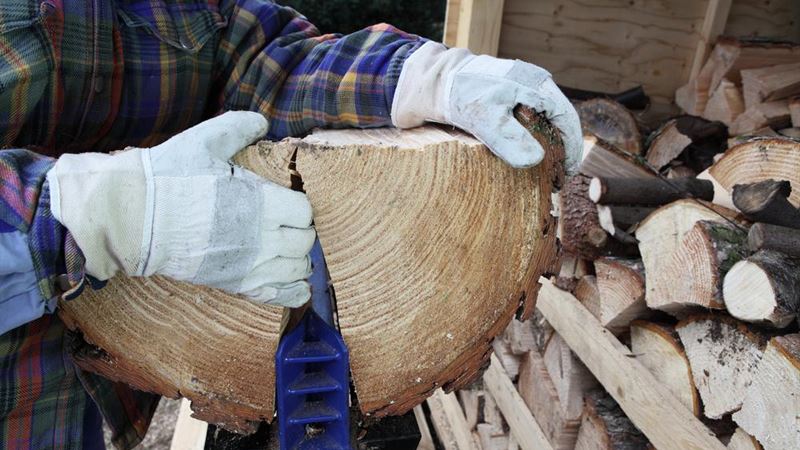
As with any powerful tool, proper safety precautions are crucial when handling wood splitters. Familiarity with your specific machine's operation manual and safety guidelines can prevent accidents and injuries. Always inspect your tool before use to ensure all safety guards and mechanical parts are functioning correctly. Wearing appropriate protective gear, such as gloves, safety glasses, and sturdy clothing, is essential to prevent injuries from flying debris or accidental contact with moving parts.
Handle logs carefully, ensuring your hands are kept away from the splitting zone. Position yourself with stable footing and keep a safe distance from the splitting area. Never operate the machine when tired or under the influence of medications that impair concentration. Reading and understanding the user manual thoroughly before operating the machine can significantly enhance safety and efficiency.
Considering the affordability of wood splitters, they are accessible to both household users and professional entities. They perform admirably on both soft and hard woods, making them versatile tools for various applications. Proper maintenance, including regular lubrication and inspections, prolongs the machine's lifespan and ensures safe operation.
In summary, choosing the right wood splitter depends on understanding your specific needs, whether it's for occasional use at home or heavy-duty commercial tasks. Understanding the different types and their operation allows for safer and more effective wood processing. Investing in a quality machine, adhering to safety protocols, and performing routine maintenance can greatly enhance your experience, making wood splitting safer, quicker, and more efficient. With modern advancements, wood splitters are becoming indispensable tools for efficient and safe lumber processing, saving time and effort while ensuring safety and durability.