
Effortless Wood Splitting: A Comprehensive Guide to Choosing and Using Wood Splitters
Discover the ultimate guide to selecting and using wood splitters for effortless and safe wood processing. Learn about various types, safety tips, and maintenance to make your wood splitting tasks easier and more efficient, whether for household or professional use.
Understanding Your Wood Splitting Needs to Make the Right Choice
When considering a wood splitter for your home or professional use, it's essential to understand the different types available and select the one that best suits your specific requirements. Wood splitters are versatile tools designed to facilitate the process of dividing logs and large pieces of wood into manageable sizes. They are indispensable for homeowners with wood-burning fireplaces, landscapers, and forestry professionals alike. The primary types of wood splitters include electric models, hydraulic-powered units, manual leverage splitters, and gas-powered machines. Each category offers unique benefits and is suited to different applications.
Electric wood splitters are favored for their ease of use, low maintenance, and affordability. These models typically operate via a powerful motor that drives a hydraulic piston, generating substantial force to split logs efficiently. They are ideal for smaller to medium-sized logs commonly found in residential settings. Hydraulic splitters, whether electric or diesel-powered, provide higher splitting capacities and are often used for larger logs or more demanding tasks. Manual log splitters, on the other hand, rely on human leverage and mechanical advantage to split wood. Although they require physical effort, manual splitters are portable, lightweight, and do not depend on electricity or fuel, making them suitable for remote locations or temporary use.
Some wood splitters are powered by fuel, such as gasoline or diesel, offering greater mobility and power. These units are popular among forestry professionals or large-scale wood processing operations where electricity access might be limited. Regardless of the power source, the fundamental mechanism remains consistent: a hydraulic-driven piston pushes the log against a sharp wedge or blade, splitting it into halves or smaller sections. This process significantly reduces the manual effort required and enhances safety and efficiency during the wood-splitting process.
The core of all wood splitters is a hydraulic system that exerts force through a piston, which in turn pushes the log onto a fixed or moving wedge. This system allows for high-pressure operation, effortlessly splitting even the hardest wood types. Advanced models incorporate features such as adjustable splitting angles, multiple safety guards, and user-friendly controls, making operation safer and more efficient. As the demand for renewable energy sources increases, along with the need for efficient wood processing, the popularity and technological sophistication of wood splitters continue to grow worldwide.
Ensuring Safety When Operating Wood Splitters
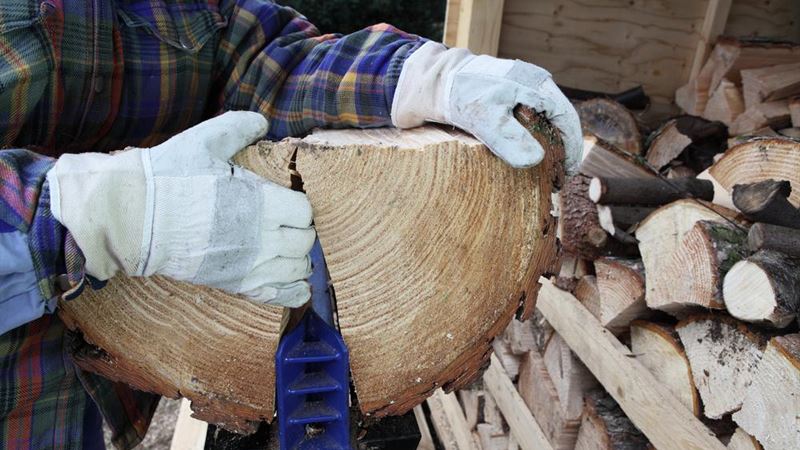
While wood splitters are invaluable tools, safety must always be a top priority to prevent accidents and injuries. Proper handling and adherence to safety guidelines not only protect users but also ensure the longevity of the equipment. Before operating a wood splitter, familiarize yourself thoroughly with the user manual and understand the machine's features and safety features. Always wear appropriate clothing such as sturdy gloves, eye protection, hearing protection, and steel-toed boots. Loose garments or jewelry should be avoided as they can get caught during operation.
When positioning the logs, ensure they are stable and supported to prevent unpredictable movements. Keep your hands away from the splitting zone and use tools or aids to position large or uneven logs safely. Adequate rest and focus are essential to maintain precision and caution during operation. Never bypass safety guards or attempt to modify the equipment. Regular maintenance, such as checking hydraulic fluid levels and inspecting for wear and tear, will also contribute to a safer working environment.
Since wood splitters can be purchased at reasonable prices suitable for both household and commercial use, it's advantageous for individuals and organizations to invest in high-quality equipment. They are effective for splitting softwoods like pine and cedar, as well as hardwoods such as oak and maple, making them highly versatile tools for various applications.
In conclusion, understanding the different types of wood splitters, their operational mechanisms, and safety precautions is key to maximizing their benefits. Whether you're a homeowner looking to fuel your fireplace or a professional involved in forest management, selecting the right wood splitter can save significant time and effort. Proper usage and regular maintenance will ensure that your investment lasts longer and functions optimally, providing all the benefits of a hassle-free, efficient wood-splitting process.