
Comprehensive Guide to the Significance of Regular Vehicle Maintenance
Discover the comprehensive importance of regular vehicle maintenance. From saving money and enhancing safety to reducing environmental impact and increasing resale value, proper car care is essential for every driver. Learn actionable tips and benefits to keep your vehicle in top condition and enjoy worry-free driving experiences.
- Financial Efficiency and Cost Savings
Maintaining your vehicle through regular service visits to trusted centers like Tuffy Tire and Auto Service Center might incur initial expenses, but in the long run, it proves to be a cost-effective strategy. Proactive maintenance allows early detection and repair of minor issues before they escalate into expensive repairs or replacements. This approach significantly reduces the likelihood of major breakdowns, preventing you from incurring hefty bills in the future. Particularly for luxury or high-performance vehicles, meticulous care is essential due to their complex parts and systems. Keeping up with scheduled maintenance ensures that all components function optimally, saving you money over time. Regular inspections include checks on fluid levels, brake performance, tire integrity, and engine health—each crucial in avoiding costly damage. Investing in maintenance is an investment in your vehicle's longevity and your financial well-being. - Ensuring Road Safety
Safety remains the paramount concern for any vehicle owner. Regular vehicle inspections and maintenance significantly contribute to safer driving conditions. When all parts of a vehicle are in good condition, the risk of accidents decreases markedly. For instance, worn-out brake pads, low tire tread, malfunctioning lights, or faulty steering components are common issues that may compromise safety. Detecting these problems early through routine checks helps prevent dangerous situations such as brake failure or tire blowouts. Moreover, properly maintained vehicles tend to be more reliable, providing peace of mind during everyday commutes or long journeys. Understanding basic car maintenance skills—like checking tire pressure, inspecting brakes, or replacing windshield wipers—empowers drivers to identify potential problems before they become critical. Scheduled maintenance is a proactive measure that keeps your vehicle dependable and safe for every trip. - Impact on Auto Insurance Premiums
Many vehicle owners overlook the connection between vehicle condition and insurance costs. Insurance companies evaluate the safety and maintenance history of a car when determining premiums. A well-maintained vehicle typically qualifies for lower insurance rates since it is less likely to encounter breakdowns or cause accidents due to mechanical failure. Keeping detailed records of all service and repair receipts not only helps in maintaining accurate documentation but also strengthens your case when negotiating insurance premiums or claims. Maintaining your car to a high standard demonstrates responsibility and can lead to better coverage options at affordable rates. Regular servicing, tune-ups, and addressing minor issues promptly all contribute to improved insurance terms, ultimately saving you money each year. - Environmental Responsibility and Eco-Friendliness
Reducing your vehicle's environmental footprint is a vital aspect of responsible car ownership. A poorly maintained car tends to emit excessive fumes, including carbon monoxide, nitrogen oxides, and carbon dioxide, all of which contribute to air pollution and climate change. Regular inspections and maintenance ensure that emissions are kept within optimal levels. For example, replacing clogged air filters, fixing exhaust leaks, and ensuring fuel efficiency all help in reducing harmful emissions. Additionally, well-maintained engines consume less fuel, which means fewer trips to the pump and less greenhouse gas output. By taking care of your vehicle, you're not only extending its lifespan but also contributing to a healthier planet. Eco-friendly driving practices, coupled with regular tune-ups, make a meaningful difference in environmental preservation. - Enhancing the Vehicle’s Aesthetic Appeal
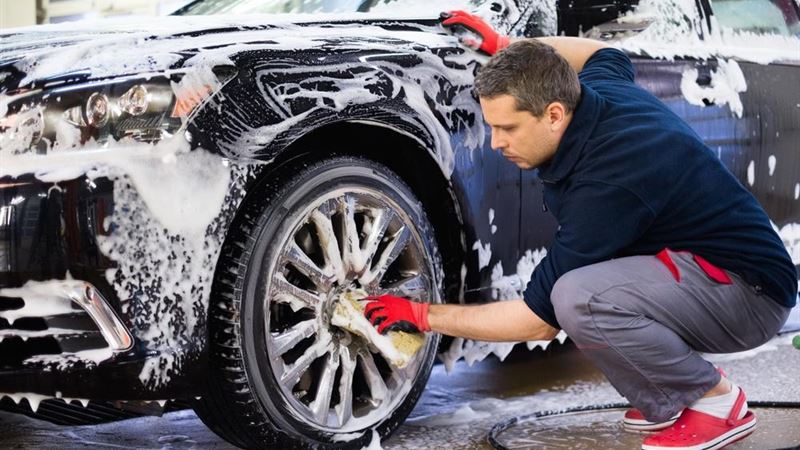
An attractive vehicle reflects pride of ownership. Maintaining your car's cleanliness, shine, and overall appearance can boost its visual appeal. Regular washing, waxing, and interior cleaning keep your vehicle looking fresh and new. Addressing minor cosmetic issues like scratches or dents promptly further preserves its aesthetic value. Moreover, a well-kept car tends to make a positive impression, whether it's for personal satisfaction or social recognition. The pride of driving a clean and shiny vehicle also encourages more attentive driving behaviors, reducing the risk of accidents and damage. Beyond appearance, good maintenance contributes to consistent performance, making your vehicle a pleasure to drive and a source of personal confidence. - Maximizing Resale Value and Easier Selling Process
A vehicle that undergoes regular maintenance and remains in excellent condition fetches a higher resale price. Prospective buyers tend to prefer cars with documented service histories, as these signify reliability and careful ownership. Routine maintenance, like oil changes, brake inspections, and tire rotations, assures buyers that the vehicle is in good health. Additionally, keeping the car clean and addressing cosmetic issues enhances its market appeal. When it's time to sell, a well-maintained car is easier to market and can command a premium price. Proper care also reduces the likelihood of unexpected repairs before sale, providing peace of mind for the seller and buyer alike. Remember, a meticulously maintained vehicle not only retains value but also simplifies the selling process, saving you time and stress.
Simple vehicle maintenance is accessible to every owner. Learning basic mechanisms—such as checking fluid levels, inspecting tire pressure, and replacing worn-out parts—can significantly extend your car’s lifespan and performance. Regular inspections of vital components like batteries, brakes, lights, and air filters ensure everything functions smoothly. Staying vigilant about maintenance schedules and promptly addressing issues helps prevent costly repairs and breakdowns. Ultimately, well-maintained vehicles provide safer, more economical, and environmentally responsible transportation options. Routine care empowers owners to enjoy a reliable, efficient, and attractive vehicle for years to come, reinforcing the importance of proactive vehicle management.