
Essential Insights into Car Batteries: Maintenance, Recycling, and Troubleshooting
Discover in-depth knowledge about car batteries, including their structure, maintenance tips, troubleshooting signs, and eco-friendly recycling methods. Learn how to keep your vehicle powered safely and sustainably with expert insights into battery care and environmental impact.
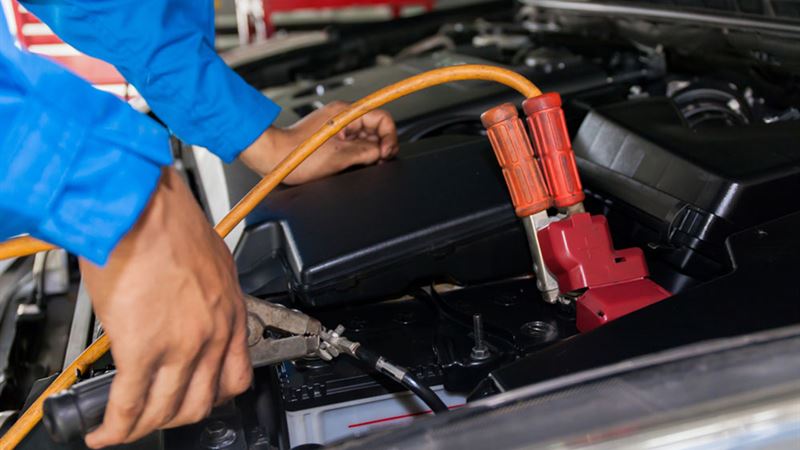
Car batteries are critical components that power essential systems within your vehicle, enabling smooth operation and ensuring safety. Comprising a series of six galvanic cells, these batteries store electrical energy and supply it to start the engine, illuminate the lights, and operate various electronic systems in modern vehicles. Understanding the structure, maintenance practices, recycling processes, and signs of battery failure can significantly improve vehicle performance and lifespan. This comprehensive guide dives deep into everything you need to know about car batteries, from their construction and types to troubleshooting tips and eco-friendly recycling methods.
Historically, early automobiles did not rely on batteries because their electrical systems were minimal; for instance, they used manual horns instead of electric ones. Batteries became an integral part of automobile technology only with advancements in engine and electrical systems, particularly gaining popularity in the 1990s when vehicles adopted electric starters and more electronic features. As autos evolved, these power sources became more sophisticated, grouped by size, design, and placement within the vehicle.
Most modern car batteries are lead-acid types utilizing lead-antimony plates, which are advantageous because they can be recycled repeatedly. Recycling not only conserves raw materials but also prevents environmental pollution caused by lead and acid leakage. When old batteries are properly processed, the recovered materials—mainly lead and plastic—are reused in manufacturing new batteries, reducing the ecological footprint and conserving valuable resources.
In vehicle operation, a healthy battery ensures reliable starting and smooth functioning of electrical systems. Heavy-duty vehicles often use multiple batteries to meet higher power demands, especially for accessories and heavy loads. For regular passenger cars, a single, well-maintained battery is typically sufficient, but understanding signs of battery deterioration is essential for avoiding inconvenient breakdowns.
Branding is also noteworthy, with popular options including Bosch, DieHard, Duralast, and Autocraft, among others. While all batteries serve the same fundamental purpose, variations in quality, capacity, and lifespan can influence long-term performance and reliability.
Recognizing the symptoms of a failing battery can help prevent unexpected breakdowns. Common indicators include:
- Dashboard battery warning light illuminating on the instrument panel
- Difficulty starting the engine or prolonged cranking times
- Unusual smells, such as a foul sulfur or rotten egg odor, emanating from under the hood
- Dim lights or electrical systems malfunctioning frequently
- Corroded or swollen battery terminals
If any of these signs are observed, prompt inspection and replacement are recommended to avoid being stranded or causing damage to other vehicle components. Routine maintenance, including cleaning terminals and checking electrolyte levels in traditional batteries, can extend battery life.
Modern advancements also support the development of maintenance-free batteries, which are sealed and require minimal upkeep. Nevertheless, periodic testing using voltmeters or specialized diagnostic tools remains vital to ensure optimal performance.
Environmental awareness plays a crucial role in battery management. Recycling programs are widespread and regulated, safeguarding both the environment and human health. Disposing of batteries in designated facilities prevents hazardous materials like lead and sulfuric acid from contaminating soil and water. Automakers and recycling companies encourage responsible disposal to promote sustainability and reduce ecological damage.
In addition to environmental benefits, recycling conserves energy by reducing the need for raw material extraction and manufacturing. Recycled lead, for example, is almost identical in quality to new lead, making it a sustainable resource. As technology advances, biodegradable and more eco-friendly battery options are emerging, promising a greener future for automotive power sources.
In conclusion, car batteries are more than just power sources—they are vital for vehicle reliability, safety, and environmental stewardship. Proper understanding of their structure, signs of wear, maintenance practices, and recycling processes can help extend their lifespan and reduce ecological impact. Whether you're a vehicle owner or a mechanic, staying informed about these aspects is essential to ensure your car remains dependable and environmentally friendly.