
Understanding the High Cost of Botox Treatments: Factors and Insights
Discover why Botox treatments often come with a high price tag by exploring manufacturing complexities, skilled professionals, market demand, and safety standards. This comprehensive guide helps you understand the true value of Botox and how to make informed decisions for safe and effective anti-aging therapies.
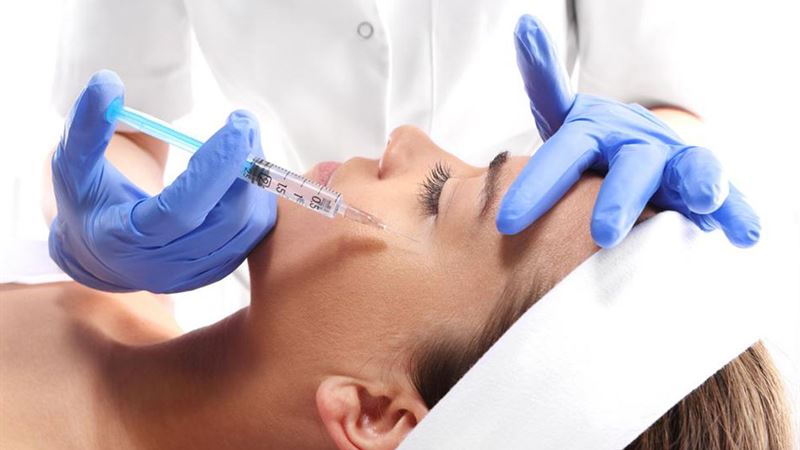
Botox has become one of the most sought-after cosmetic procedures globally, especially among individuals looking to achieve a youthful appearance without undergoing invasive surgery. Despite its popularity, many patients are often perplexed by the high prices associated with Botox treatments. To understand why Botox costs what it does, it’s essential to examine the various factors that contribute to its pricing, including manufacturing intricacies, the skills of medical professionals, and market demand.
Market Demand and Popularity
One primary reason behind the elevated costs of Botox is the soaring demand for quick and effective anti-aging solutions. As the global population ages and beauty standards evolve, more people are willing to invest in treatments that promise visible results with minimal downtime. The high demand ensures that clinics and practitioners can charge premium prices for their services. Furthermore, celebrities and high-profile personalities often seek Botox, which adds a perception of exclusivity and luxury, pushing prices even higher. This trend influences clinics to set prices that reflect the perceived value and prestige associated with their services.
Expertise of Medical Professionals
The intricacies involved in administering Botox require specialized training and experience. Only qualified cosmetic surgeons and dermatologists can perform these injections safely and effectively. Their expert knowledge ensures that the treatment provides natural-looking results while minimizing complications. The price tag often correlates with the practitioner’s expertise, credentials, and reputation. Experienced professionals who have refined their skills over years tend to charge more, but their expertise significantly reduces risks associated with improper injection techniques or adverse reactions, making the higher cost justifiable.
Manufacturing Complexity and Safety Considerations
Botox is derived from a purified form of botulinum toxin, which is inherently toxic. The production process involves meticulous extraction, purification, and quality control to ensure safety and efficacy. Because the manufacturing process requires advanced technology and strict sterile conditions, it inherently adds to the overall cost. The toxin itself is potent; just a minuscule amount can be dangerous if not handled correctly, underscoring the importance of rigorous safety protocols. This complexity in production naturally drives up the price of the final product.
Regulatory Approval and Quality Assurance
Approvals from health authorities such as the FDA or EMA ensure the safety and quality of Botox. These agencies impose strict standards that manufacturers and providers must adhere to, incurring substantial compliance costs. Clinics must also invest in high-quality storage and handling equipment to preserve the product’s potency. All these regulatory and quality control measures contribute to added costs, which are reflected in the treatment prices.
Cost Breakdown of a Botox Procedure
When considering the cost of Botox, it’s crucial to understand the breakdown of expenses involved. This includes the product price, the healthcare professional’s fee, clinic overheads, and post-treatment care. The price per unit of Botox varies, and most practitioners charge based on the number of units needed for specific areas of concern. Larger or more complex treatment areas require more units, thus increasing the overall cost. Some clinics offer bundled packages, but prices can differ significantly depending on the provider’s reputation and location.
Location and Facility Factors
Geographic location plays a significant role in pricing. Clinics in metropolitan areas or regions with a higher cost of living typically charge more for Botox treatments. Luxury clinics with premium facilities and amenities also tend to have higher charges. Conversely, opting for treatments in less expensive areas or clinics with less overhead can lower costs, but patients must be cautious about quality and safety standards.
Evaluating the Cost and Quality Balance
While affordability is essential, it should never come at the expense of safety. Cheap Botox treatments may result from unlicensed practitioners or substandard products, increasing the risk of complications or unsatisfactory results. Patients should thoroughly research clinics, verify credentials, and seek reviews before proceeding. Sometimes, paying a little extra can mean the difference between an excellent outcome and possible health risks.
Risks of Inexpensive Botox Treatments
Choosing low-cost options might seem appealing but can be risky. Unprofessional administration can lead to asymmetry, drooping eyelids, or other undesirable side effects. Unapproved or counterfeit products may also be used in such settings, further endangering health. It’s essential to prioritize quality and safety over cost when considering anti-aging treatments like Botox.
The Bottom Line
The cost of Botox is influenced by multiple factors, including manufacturing complexity, professional expertise, market demand, location, and regulatory standards. While it may seem expensive initially, investing in experienced practitioners and quality products ensures satisfactory results and minimizes health risks. Patients should conduct thorough research, compare prices, and prioritize safety and quality over mere affordability to achieve the best possible outcome with their Botox treatments.