
Comprehensive Guide to Understanding Botox Pricing and Options
Explore everything about Botox pricing, from factors affecting costs to safe treatment practices. This comprehensive guide helps you understand how to find affordable, reputable providers, the best payment options, and how to minimize risks. Make informed decisions for effective and safe Botox treatments, whether for cosmetic or medical reasons. Learn about discounts, financing options, and what to expect during and after procedures to ensure optimal results and a smooth experience.
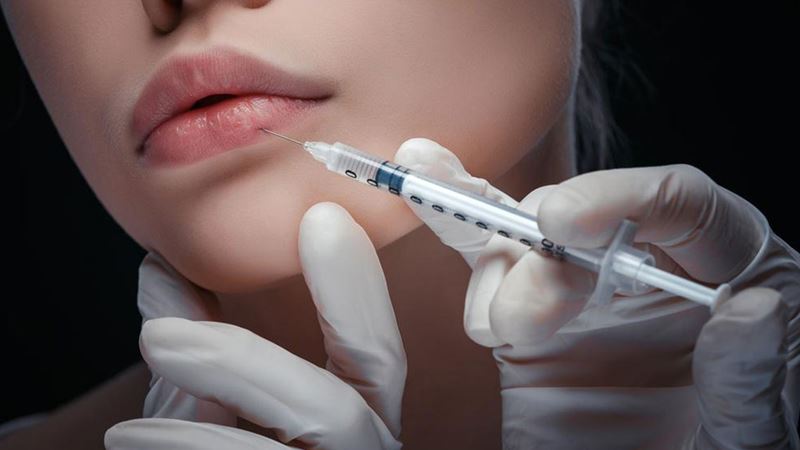
Botox treatments have gained immense popularity for both cosmetic enhancement and medical purposes. Whether you're considering Botox to smooth out wrinkles or to address medical conditions like migraines or muscle spasms, understanding the cost and associated factors is crucial. Many individuals are concerned about how much Botox will cost and how to find a reputable provider offering fair prices. This extensive guide explores everything you need to know about Botox pricing, including factors influencing the costs, available discounts, payment methods, potential risks, and tips for choosing the right specialist to ensure safe and effective treatment.
What Influences the Cost of Botox Treatments?
The price of Botox varies widely depending on multiple variables. Typically, the cost ranges from approximately $300 to over $1,000 per session. This variation is due to factors such as the geographical location, the experience and reputation of the practitioner, the clinic’s facilities, and the extent of treatment required. Here, we delve into the main elements that affect Botox pricing.
Practitioner’s Expertise and Reputation
Highly experienced and renowned specialists tend to charge more for their services. Their expertise ensures safer procedures and better results, which justifies the higher costs. When evaluating prices, consider the provider’s credentials, years of experience, and patient reviews.
Location of the Clinic
Premium clinics situated in metropolitan or affluent areas often have higher service fees due to increased operational costs. Conversely, clinics in rural or less developed areas might offer more affordable rates but ensure they maintain high standards of safety and professionalism.
Extent of Treatment
The number of facial regions or muscles requiring treatment impacts the overall cost. Small treatments like injecting frown lines might be less expensive than full-face procedures. Also, treatments targeting multiple areas or larger muscle groups demand more units of Botox and, consequently, higher costs.
Type of Botox Product Used
While most providers use FDA-approved Botox, some clinics might use alternative botulinum toxin products which could influence the pricing. Ensure you discuss the specific product being used and its efficacy and safety profile.
Pricing Formats: Per Unit vs. Per Area
Botox costs are generally billed in two ways: per unit and per area. The choice between these billing methods can significantly determine the overall expense.
Cost Per Unit
On average, each unit of Botox costs between $10 and $15. The number of units needed depends on the treatment area and the practitioner’s assessment of how much product is required. For example, the forehead lines may require 10-20 units, translating to $100-$300 per session.
Cost Per Area
Some clinics prefer charging based on facial regions. For instance, treating the forehead, glabellar lines (frown lines), or crow's feet may have fixed prices. However, this approach can sometimes be more expensive than paying per unit if multiple regions are treated extensively. Patients should compare both methods when planning their budget.
Additional Factors Affecting Cost
The number of injections required varies per individual based on their anatomy and desired results.
The complexity of the procedure, such as the need for precise targeting in delicate areas, can also influence the price.
The geographic location and clinic specialization play roles in determining both the quality and cost of the treatment.
Insurance and Financial Assistance
If you’re obtaining Botox for medical reasons such as migraines, excessive sweating, or muscle spasms, some insurance plans may offer coverage or reimbursement. It’s wise to contact your insurer to verify whether your condition qualifies for financial assistance. Additionally, the manufacturer of Botox, Allergan, provides a reimbursement hotline to help patients understand their eligibility for insurance coverage.
Financial Planning and Payment Options
Many clinics now offer flexible payment plans to accommodate patients who prefer to spread out the cost over time. These plans often include paying via credit or debit cards, checks, or cash. Furthermore, some establishments facilitate medical financing options, allowing patients to manage their expenses conveniently without sacrificing safety or quality.
Special Events and Group Treatments
In recent years, the trend of hosting "Botox parties" has gained popularity. These social events enable groups of individuals interested in cosmetic procedures to gather at a clinic, receiving treatments from a shared practitioner. While this approach can sometimes reduce costs, it’s essential to ensure strict sterilization, proper handling, and individualized care to minimize risks and complications.
Understanding the Risks and Potential Complications
While Botox is generally considered safe when administered by experienced professionals, there are possible side effects and risks you should be aware of:
Allergic Reactions
Some individuals may develop allergies, leading to swelling, redness, or itching. Severe allergic responses require immediate medical attention.
Ineffective or Unbalanced Results
An unskilled practitioner might inject uneven amounts, resulting in facial asymmetry or undesirable expressions. Choosing an experienced specialist can mitigate this risk.
Overdosage and Muscle Weakness
Excessive use of Botox can cause drooping eyebrows, eyelids, or facial muscles, creating an unnatural appearance. Patients should adhere to professional guidelines and avoid attempting to modify doses themselves.
Contraindications for Certain Conditions
Individuals with nerve or muscle disorders, or those allergic to botulinum toxins, should avoid Botox treatments unless advised otherwise by their physicians. The health risks in such cases can be serious or even fatal.
Post-Treatment Care
Patients are advised to avoid strenuous activities, intense exercise, or touching the treated areas for several days following the injection to prevent unwanted spread of the toxin or bruising.
What to Expect During and After the Procedure
Botox injections are minimally invasive and typically completed within minutes. The procedure may involve slight discomfort but generally does not require anesthesia. Expect mild swelling, redness, or bruising around the injection site, which usually subsides within a few days. Optimal results become visible within a week to ten days, and the effects last about three to six months, depending on individual factors.
Choosing the Right Practitioner: Tips for a Safe and Successful Treatment
The quality of your Botox treatment largely depends on the practitioner's skill and certification. Here are essential tips for selecting a qualified specialist:
Verify the practitioner’s credentials, including medical license and specialization in aesthetic or cosmetic procedures.
Seek recommendations and reviews from previous patients to assess satisfaction and safety records.
Ensure the clinic follows strict sterilization and safety protocols.
Discuss your concerns openly and ask about their experience with Botox treatments.
Once you’ve chosen a qualified professional, communicate your expectations clearly and adhere to pre- and post-treatment instructions to achieve the best possible outcome. Remember, investing in a reputable provider not only enhances safety but also optimizes your overall Botox experience, ensuring natural-looking results that boost your confidence.