
Understanding the Key Differences Between Slow Cookers and Crock-Pots
This comprehensive guide explores the differences between slow cookers and Crock-Pots, highlighting their unique features and ideal uses. Understanding these distinctions helps you select the best appliance for your culinary needs, whether for convenience, flexibility, or specific cooking styles. Discover how each device functions, their benefits, and tips for optimal use to make your cooking experience more enjoyable and efficient.
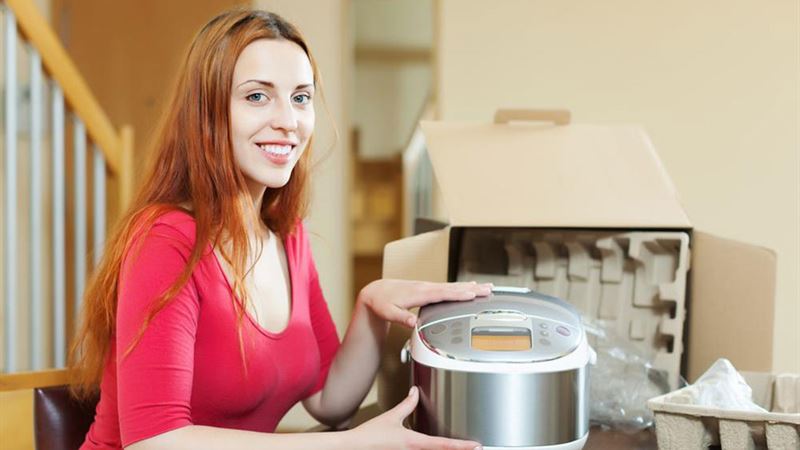
The hallmark of Crock-Pot cookers is their construction, featuring a ceramic or porcelain inner pot housed inside a heating unit. This design allows for uniform heat distribution, which is crucial for slow cooking dishes that require consistent temperatures. The ceramic insert sits inside a heating base, which provides heat from the bottom and sometimes around the sides. These cookers are available in various shapes—round or oval—and sizes, accommodating different family needs and recipe requirements.
One of the defining features of Crock-Pots is their simple control settings. Typically, they come with two primary heat options: LOW and HIGH. The LOW setting maintains a gentle heat of approximately 70°C (158°F), ideal for long, slow simmering, while the HIGH setting reaches about 90°C (194°F), suitable for quicker meal preparations. Many models also include a warm option to keep food at serving temperature once cooking is complete.
Crock-Pot appliances are designed for continuous cooking, often running for several hours without user intervention. Some advanced models incorporate timers, allowing you to program the device to turn off after a preset cooking period, enhancing convenience and safety. This feature helps prevent overcooking and allows for meal planning, making Crock-Pots particularly popular among busy households.
In contrast, traditional slow cookers are more versatile appliances used to prepare dishes at low temperatures over extended periods. They are generally characterized by their simple design, featuring a heating element that operates beneath a metal or ceramic pot. The heat in these appliances is concentrated from the bottom, which can influence cooking times and results. Unlike Crock-Pots, slow cookers don’t always have fixed temperature settings; instead, they may offer multiple heat levels, sometimes ranging from five different options, including low, medium, high, and warm settings.
The cooking process in slow cookers tends to be more flexible, accommodating various recipes and textures. However, because heat is solely applied from below, food may take longer to cook, and there is a higher chance of scorching on the bottom if not monitored carefully. This design necessitates more frequent stirring and closer attention to avoid burning, especially for recipes involving delicate ingredients or liquids prone to evaporation.
Another key difference lies in the construction materials and heat distribution. Crock-Pots' ceramic or porcelain bowls provide consistent heat transfer, minimizing hot spots and reducing chances of burning or uneven cooking. Conversely, slow cookers with metallic or other non-ceramic pots may require more careful oversight, as heat may not distribute evenly across the entire surface of the food.
Focusing on functionality, Crock-Pots are often pre-programmed with timers, automatic shut-off, and specific temperature controls that cater to different cooking needs. This makes them ideal for recipes that demand precise, long-duration cooking with minimal supervision. Slow cookers, while sometimes less technologically advanced, offer more flexibility in adjusting cooking times and temperatures based on user preference.
When choosing between a Crock-Pot and a slow cooker, consider your cooking style, the types of dishes you prefer, and your need for automation. If you desire a reliable, set-and-forget appliance capable of producing tender, flavorful meals with minimal effort, a Crock-Pot might be the best choice. On the other hand, if you enjoy experimenting with different cooking techniques or need a versatile appliance that can handle a variety of recipes, a traditional slow cooker could be more suitable. Understanding their differences ensures you select the right appliance for your culinary adventures.
In conclusion, both slow cookers and Crock-Pots serve the purpose of simplifying meal preparation through low-temperature, long-duration cooking. While Crock-Pots are a specific brand with features like ceramic inserts and programmed timers, traditional slow cookers offer more varied configurations and manual controls. By understanding their unique characteristics, you can leverage the benefits of each to create delicious, nutritious meals with ease and confidence.
The key to choosing the right cooking appliance lies in understanding their distinct features, operational mechanisms, and ideal uses. Crock-Pots excel in consistency, simplicity, and automation, making them perfect for busy households. Traditional slow cookers offer greater flexibility and manual control, suitable for culinary enthusiasts seeking customization. Whichever you choose, mastering these appliances can elevate your cooking game, allowing you to prepare hearty, flavorful dishes effortlessly, saving both time and effort in your daily routine.