
Comprehensive Guide to Differentiating Bourbon and Whiskey
This comprehensive guide clarifies the differences between bourbon and whiskey, exploring their origins, production processes, and flavor profiles. Discover what makes bourbon unique, including its strict regulations and rich history, and learn how it compares to other types of whiskey like Scotch, rye, and grain whiskey. Perfect for enthusiasts and newcomers alike, this article deepens your understanding of these popular spirits and helps you appreciate their craftsmanship and diversity in the world of distilled beverages.
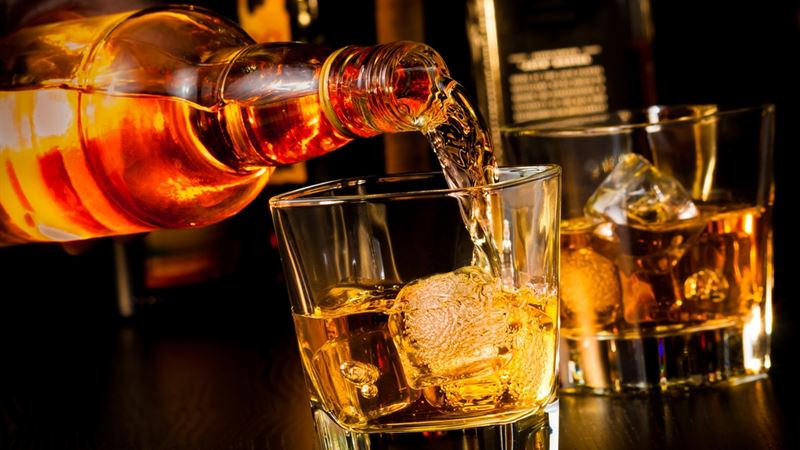
Understanding Whiskey: An Overview of Its Varieties
Whiskey is a broad term encompassing a range of distilled spirits made from fermented grain mash. The grains used can include barley, corn, rye, and wheat, each imparting its own flavor profile. The production process, distillation method, and aging technique contribute to the unique identity of each whiskey type. Here are the main categories of whiskey:
- Malt Whiskey: Predominantly produced in Scotland, malt whiskey is crafted from malted barley. It is distilled in traditional pot stills, which preserve the complex flavors derived from the grains. Malt whiskeys are aged in oak barrels for at least three years, allowing their flavor to mature and deepen. Single malt varieties often boast a rich, full-bodied profile with notes of fruit, spice, and smoky undertones.
- Grain Whiskey: Made from a mixture of grains or sometimes a single grain, this whiskey style is common in Ireland and Scotland. It is typically distilled in column stills, resulting in a lighter, smoother spirit with subtle flavors. Grain whiskey often serves as a base for blended whiskeys, providing balance and a clean taste.
- Blended Whiskey: Combining different types of whiskey from multiple distilleries, blended whiskey offers consistency and a harmonious flavor profile. These are popular globally, especially in Ireland and Scotland, and are designed to appeal to a broad range of palates.
- Tennessee Whiskey: Exclusive to Tennessee, this whiskey is similar to bourbon but undergoes an additional charcoal filtering process known as the Lincoln County Process. It is commonly made from a mash containing at least 51% rye grain and exhibits a fuller, smoother, and slightly sweeter taste.
- Rye Whiskey: Primarily produced in the United States and Canada, rye whiskey comprises at least 51% rye grain. It is known for its spicy, peppery flavor with a dry finish and must be aged in new oak barrels for a minimum of two years.
- Corn Whiskey: This type of whiskey is made from 100% corn mash and is predominantly produced in the United States. It tends to be sweeter and fuller-bodied, with a smooth, approachable flavor profile.
Deep Dive into Bourbon: Definition and Production
Bourbon holds a distinctive place in the world of spirits, recognized for its rich history and unique production standards. Originating primarily from Bourbon County, Kentucky, this whiskey is celebrated for its sweetness, full-bodied nature, and complex flavors derived from high corn content.
- What Defines Bourbon?
Bourbon is a type of American whiskey that must adhere to specific regulations set by federal law. To qualify as bourbon, the spirit must be produced in the United States, predominantly in Kentucky, although production is not legally restricted to that state anymore. It must contain at least 51% corn in its mash bill, contributing to its characteristic sweetness. The remaining grains can include malted barley, rye, or wheat, which influence the flavor nuances. - Production Process
The core of bourbon production involves fermenting a grain mash, distilling the alcohol to not exceed 160 proof (80% alcohol by volume), and aging it in new, charred American oak barrels. These barrels impart the iconic amber color and complex flavors, including caramel, vanilla, and oak nuances. Unlike other whiskeys, bourbon does not have additives or coloring agents; its rich hue develops naturally during aging. - Regulatory Standards
To be legally designated as bourbon, the spirit must be distilled to no more than 160 proof, entered into barrels at no more than 125 proof, and aged in new, charred oak barrels for a minimum of two years. If aged for less than four years, the label must specify the duration. These strict standards ensure quality and consistency across bourbon brands. - Popular Bourbon Brands
Notable names include Blanton’s Original Single Barrel, Buffalo Trace, Pappy Van Winkle’s Family Reserve, Jim Beam, and Hudson Baby Bourbon. These brands exemplify the diversity and craftsmanship that define bourbon as a premium spirit.
Key Differences Between Bourbon and Whiskey
While bourbon is a subset of whiskey, the distinctions between them are significant and contribute to their unique identities. Here are the primary differences:
- Regulatory and Geographic Origins
Whiskey encompasses spirits produced worldwide, including Scotland, Ireland, Canada, and the U.S. Its regulations vary by region. In contrast, bourbon is primarily produced in Kentucky, with strict federal standards defining its production. - Ingredients
Whiskey recipes vary widely; Scotch is often made from malted barley, while rye whiskey has a high rye content. Bourbon requires a mash bill with at least 51% corn, making it naturally sweeter. - Aging Process
Whiskeys are aged in a range of barrels, often reused ones, influencing flavor. Bourbon must be aged in new, charred American oak barrels, which imparts distinctive caramel and vanilla notes. - Flavor Profiles
Whiskey flavors vary from smoky and peaty (as in Scotch) to spicy and dry (rye). Bourbon generally has a sweeter, fuller, and more rounded profile due to its ingredients and aging process.
Flavor Profile Comparison: Bourbon vs. Whiskey
The flavor profiles of bourbon and other whiskeys differ distinctly. Bourbon's sweetness comes from its high corn content and charred oak aging, resulting in rich caramel, vanilla, and spice notes. It often provides a smooth, full-bodied experience with a hint of smokiness. Other whiskeys, such as Scotch, tend to lean toward smoky, peaty, or grassy flavors, with less emphasis on sweetness. Rye whiskeys offer a spicy, peppery profile that differs markedly from bourbon's mellow richness.
Famous Examples of Bourbon and Whiskey
While Jack Daniel’s is often incorrectly labeled as bourbon, it is technically a whiskey. Jack Daniel’s undergoes a charcoal filtering process, which imparts a smoky flavor and distinguishes it from traditional bourbon. Popular bourbon brands include Blanton’s, Buffalo Trace, and Pappy Van Winkle’s, renowned for their craftsmanship and rich flavors. Other notable whiskeys include Scotch varieties like Glenfiddich and Ardbeg, each offering unique taste experiences rooted in their regional traditions.
Final Thoughts
Understanding the differences between bourbon and whiskey enhances appreciation for their craftsmanship, history, and flavor complexities. While all bourbon is whiskey, not all whiskey qualifies as bourbon. Their distinct ingredients, production methods, and regional regulations give each spirit its unique character. Whether you prefer the sweet, caramel notes of bourbon or the smoky, peaty nuances of other whiskeys, exploring these spirits provides an enriching tasting journey that celebrates tradition, quality, and artistry.