
Comprehensive Strategies for Managing Osteoarthritis Pain Effectively
Discover effective osteoarthritis pain relief strategies that include weight management, thermal therapies, dietary choices, massage, and aquatic exercises. These approaches can improve joint mobility, reduce inflammation, and enhance quality of life. Consulting healthcare professionals ensures personalized treatment plans, helping manage symptoms effectively. Implement practical lifestyle adjustments and therapies to better cope with osteoarthritis and regain a more active, pain-free life.
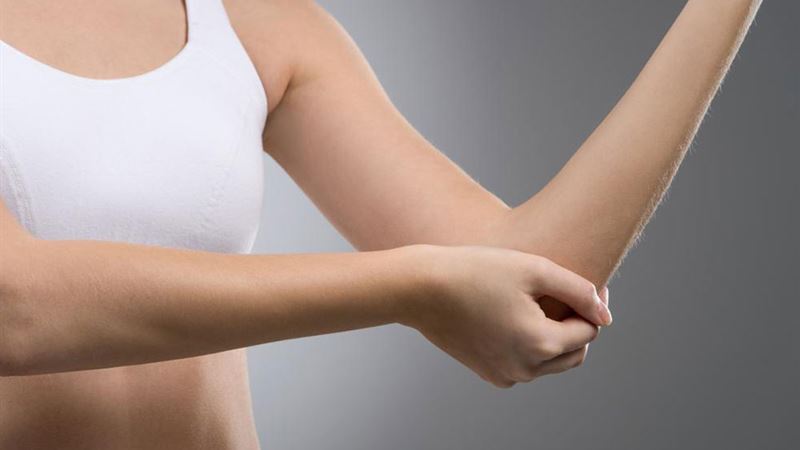
Osteoarthritis is a prevalent joint disorder that can significantly impair daily functioning and adversely impact personal relationships. It affects individuals across all age groups but is particularly prominent among seniors aged 60 and above. While there is no definitive cure for osteoarthritis, various management techniques can help reduce pain and improve quality of life. Implementing lifestyle modifications and complementary therapies can provide significant relief. This extensive guide explores proven methods, including weight management, thermal therapy, dietary considerations, massage techniques, and water-based exercises, aimed at alleviating osteoarthritis symptoms and enhancing joint health.
Achieving a Healthy Weight – Excess weight is one of the leading contributors to osteoarthritis discomfort. The additional pounds exert excessive pressure on weight-bearing joints such as hips, knees, and ankles, accelerating cartilage deterioration and intensifying pain. According to clinical research, even modest weight reduction can substantially decrease joint stress, slow disease progression, and ease symptoms. Prioritizing a balanced diet coupled with regular physical activity tailored to individual capabilities can foster gradual weight loss, thereby lessening joint strain. Consulting healthcare providers or dietitians can facilitate personalized plans to support weight management objectives effectively.
Application of Heat and Cold Therapy – Thermal therapies are among the simplest yet highly effective methods for managing osteoarthritis pain. Applying heat pads can relax tense muscles, improve blood circulation, and reduce stiffness, offering relief from persistent joint discomfort. Conversely, cold packs help diminish inflammation, swelling, and numb nerve endings responsible for pain sensations. The choice between heat and cold depends on the specific symptoms—heat is preferred for stiffness, while cold is advantageous during acute flare-ups. Proper application—limiting each session to around 15-20 minutes—maximizes benefits and minimizes potential skin irritation.
Incorporating Green Tea into Your Diet – Green tea's antioxidant-rich profile has garnered attention for its potential anti-inflammatory properties, making it a popular supplement for osteoarthritis management. The polyphenols present in green tea may inhibit inflammatory pathways and support the regeneration of cartilage tissue. Regular consumption, in moderation, may contribute to decreased joint inflammation and improved mobility. Nevertheless, excessive intake can pose risks, such as liver issues or interactions with medications. It is advisable to consult healthcare professionals before incorporating green tea supplements or increased consumption into your daily routine.
Beneficial Effects of Massage Therapy – Therapeutic massage can alleviate joint stiffness, reduce muscle tension, and promote circulation in affected areas. Skilled massage techniques stimulate blood flow, which delivers oxygen and nutrients essential for tissue repair. Gentle massage also helps relax tense muscles around joints, decreasing pain and enhancing flexibility. Regular sessions, performed by trained practitioners, can be integrated into treatment plans to optimize symptom control. It is important to communicate specific discomfort levels to practitioners to tailor massage techniques accordingly.
Water-Based Exercises for Joint Comfort – Exercising in water presents an ideal low-impact option for individuals with osteoarthritis. The buoyancy of water reduces stress on weight-bearing joints, allowing for safer movement and improved range of motion. Aquatic routines can include walking, swimming, or water aerobics, each contributing to muscle strengthening and joint stabilization. This form of exercise enhances cardiovascular health, promotes flexibility, and supports weight management—all crucial components in osteoarthritis care. Establishing a regular aquatic exercise schedule under supervision can lead to significant overall improvements in joint function and pain reduction.