
Comprehensive Strategies for Managing Knee Pain Effectively
Discover comprehensive and natural approaches to effectively manage knee pain. From immediate first aid to lifestyle adjustments and alternative therapies, this guide provides insights into various treatments to help restore knee function and reduce discomfort safely.
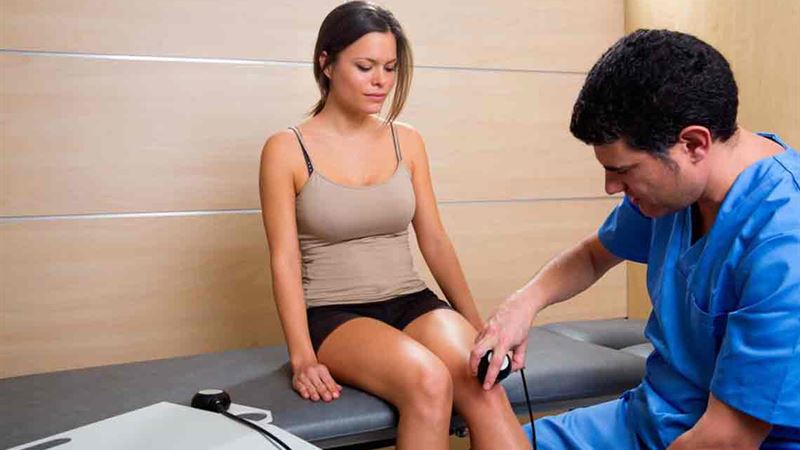
Knee pain is a common ailment that can arise from various causes such as injuries, degenerative conditions, or repetitive strain. Whether it's a sudden sprain or chronic arthritis, knowing your options for treatment is essential to regain mobility and reduce discomfort. Properly addressing knee pain involves a combination of immediate care, lifestyle adjustments, and possibly medical interventions. This extensive guide delves into multiple proven methods to alleviate knee pain, highlighting practical measures, natural remedies, and advanced treatments tailored to different needs and severity levels.
Immediate Care and First Aid for Knee Injuries
When you experience a sudden knee injury, prompt first aid can prevent further damage and facilitate healing. The R.I.C.E. method—Rest, Ice, Compression, and Elevation—is widely recommended by healthcare professionals to minimize swelling and reduce pain. Sitting down and applying a cold compress or ice pack on your knee as soon as possible can significantly diminish inflammation.
If ice isn't accessible, frozen vegetables like peas can serve as a makeshift cold pack. Wrap the ice or frozen vegetables in a cloth to avoid direct contact with the skin, which can cause frostbite. Applying cold therapy for 15-20 minutes every hour during the initial 48 hours post-injury helps to manage swelling effectively.
Alongside cold therapy, using a compression bandage can stabilize the knee and prevent excessive swelling, but ensure it's snugly secured without cutting off blood circulation. Elevating your leg above heart level helps assist venous return, further reducing swelling. Remember, while rest is vital immediately after injury, prolonged inactivity can weaken muscles, leading to further instability, so gentle movement or therapeutic exercises may be gradually reintroduced under medical guidance.
Maintaining Active Movement Without Aggravating Pain
While initial rest is important, excessive immobilization can cause muscle atrophy and joint stiffness. Engaging in gentle movements, as tolerated, promotes circulation and maintains muscle strength. It’s crucial not to push through severe pain, but moderate activity often benefits the healing process and overall joint health.
Practicing low-impact exercises helps keep the knee moving while limiting stress. Activities like swimming, cycling on a stationary bike, or walking on soft surfaces can be particularly beneficial. Consulting a physical therapist can help design a personalized exercise plan that enhances recovery without risking further injury.
Incorporating Traditional and Complementary Exercises
Ancient practices like Tai Chi have gained recognition for their benefits in managing knee pain, especially in cases of osteoarthritis. This gentle Chinese martial art emphasizes slow, deliberate movements, improving balance, flexibility, and muscle strength. Numerous studies have proven that regular Tai Chi practice can reduce pain, enhance joint mobility, and elevate mental well-being, contributing to a better quality of life for those with chronic knee conditions.
Incorporating Tai Chi as part of your routine can also help develop mental resilience and pain management skills, which are essential for coping with long-term knee issues. Engage in sessions under qualified instructors to maximize safety and effectiveness.
Diet and Lifestyle Changes to Support Knee Health
Managing weight plays a pivotal role in alleviating knee pain, as excess body weight increases stress on weight-bearing joints. Maintaining a healthy weight reduces pressure and can slow down the progression of joint degeneration.
Regular physical activity not only aids in weight management but also strengthens muscles around the knee, providing better support and stability. Choose joint-friendly exercises like swimming, elliptical training, or yoga that avoid high-impact stress. A nutrition-rich diet emphasizing anti-inflammatory foods—such as oily fish, berries, leafy greens, and nuts—can also support joint health.
Making these lifestyle modifications can significantly improve your knee’s function and lessen discomfort over time.
Heat and Cold Therapies for Symptom Relief
Alternating heat and cold treatments can be highly effective in managing knee pain. Applying a warm compress or heating pad during rest periods helps relax stiff muscles and improve blood flow. This can be particularly soothing in chronic cases or after daily activities that cause stiffness.
Conversely, cold therapy is best suited for reducing swelling and inflammation following acute injuries or flare-ups. Use ice packs wrapped in a cloth to avoid skin burns, and apply for 15-20 minutes. Alternating between heat and cold—say, 15 minutes each—can provide comprehensive pain relief and enhance movement comfort.
Natural and Herbal Remedies for Knee Pain
Natural remedies have been utilized for centuries to alleviate joint pain, and recent studies support their efficacy. One such remedy is a herbal salve composed of ingredients like mastic, cinnamon, sesame oil, and ginger. These components possess anti-inflammatory properties that can provide relief similar to over-the-counter creams. Such herbal treatments are generally safe for external use but always consult a healthcare professional before applying new products.
Willow bark, derived from various willow tree species, contains salicin—a natural compound similar to aspirin—that helps reduce pain and inflammation. It has been used traditionally for centuries to treat aches, fever, and inflammatory conditions, including knee pain. However, individuals allergic to aspirin or those on blood-thinning medications should abstain from willow bark.
Ginger, available fresh or as supplements, is known for its powerful anti-inflammatory effects. Incorporating ginger into your diet can enhance the effectiveness of conventional arthritis treatments, providing additional pain relief and mobility improvements.
Joint Support Supplements: Chondroitin and Glucosamine
Chondroitin sulfate and glucosamine have become staple supplements for joint health, especially for those suffering from osteoarthritis. These compounds support cartilage repair, reduce joint pain, and improve function. Although they may not yield significant benefits for mild cases, they are particularly effective in alleviating severe joint discomfort and improving quality of life.
Start with prescribed doses, and consult with your healthcare provider to ensure safety, especially if you are taking other medications or have underlying health conditions.
Alternative and Complementary Therapies: Acupuncture
Acupuncture, rooted in traditional Chinese medicine, involves inserting thin needles into specific points on the body to stimulate healing and pain relief. Modern research indicates that electroacupuncture—applying electrical stimulation through the needles—can decrease knee stiffness, boost muscle strength, and enhance joint flexibility.
This therapy is often used as a supplementary treatment for those awaiting surgery or seeking non-invasive alternatives to surgery. It is also sometimes employed as a primary treatment, although results vary among individuals.
Before proceeding, consult a licensed acupuncturist to develop a safe and effective treatment plan tailored to your specific condition.
Precautions and When to Seek Medical Advice
While many home and natural remedies are beneficial, it’s crucial to approach knee pain treatment cautiously. Persistent or worsening symptoms warrant professional medical evaluation to rule out serious conditions like ligament tears, meniscus damage, or advanced arthritis.
Always discuss your treatment plans with your healthcare provider, especially when considering supplements or alternative therapies. Accurate diagnosis and tailored treatment are key to effective management and avoiding complications.