
Essential Strategies to Prevent Thrombosis and Promote Vascular Health
Discover comprehensive strategies to prevent thrombosis by adopting healthy lifestyle habits, quitting smoking, staying active, wearing compression stockings during travel, and maintaining a healthy weight. Learn how these practical steps can significantly reduce the risk of blood clots and promote overall vascular wellness. Consulting healthcare professionals for personalized care is also emphasized. Protect your circulatory system and prevent potentially life-threatening complications with these proven tips and medical guidance.
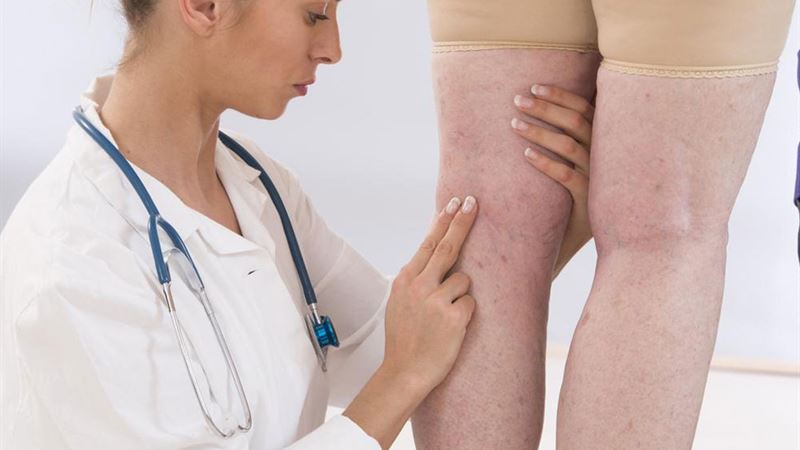
Thrombosis, a condition characterized by the formation of blood clots within blood vessels, can have serious health consequences, including deep vein thrombosis and pulmonary embolism. Managing risk factors and adopting a healthy lifestyle are crucial steps in preventing thrombosis. This comprehensive guide explores effective strategies—from lifestyle modifications to medical precautions—that can significantly reduce your risk of developing blood clots and support overall vascular wellness.
Cease Smoking to Protect Your Blood Vessels
Daily smoking is a major contributor to vascular damage. The chemicals in cigarettes cause the hardening and constriction of blood vessels, harming their lining and making blood clotting more likely. Chronic smoking accelerates the development of atherosclerosis, narrowing the arteries and increasing the risk of thrombosis. Quitting smoking is the most effective way to preserve your vascular health. While it may seem challenging, setting incremental quit goals can make the process manageable. Start by reducing your cigarette intake, then aim to quit entirely within weeks or months. Nicotine replacement therapies such as patches, gum, or prescription medications can facilitate cessation. Support groups and counseling programs can also provide motivation and guidance throughout your journey to quit smoking.
Stay Physically Active to Enhance Blood Circulation
Physical activity plays a pivotal role in preventing blood stasis and thrombosis. Sedentary lifestyles, especially prolonged sitting due to desk jobs or travel, impair blood flow in the legs, creating stagnant conditions conducive to clot formation. Engaging in regular exercise stimulates circulation and keeps blood vessels flexible. Aim for at least 30 minutes of moderate exercise, like brisk walking, jogging, cycling, or swimming, five times a week. If your daily routine involves extended periods of sitting, break it up by standing or walking briefly every hour. This simple practice promotes healthy circulation, reduces venous stasis, and lowers the risk of thrombosis. Incorporating movement into your workday and daily routine is essential for maintaining vascular health.
Utilize Compression Stockings During Long Travel
Extended periods of immobility, such as long-haul flights or car rides, significantly increase the risk of deep vein thrombosis. Compression stockings, specially designed to exert graduated pressure on the legs, improve blood flow and prevent clot formation. Wearing compression stockings during flights can be a simple yet effective preventive measure, especially for individuals with pre-existing risk factors like obesity, recent surgery, or a history of clotting disorders. These stockings promote venous return, reduce swelling, and diminish the likelihood of blood pooling in the lower extremities. It's advisable to consult your healthcare provider for the appropriate size and compression level suitable for your needs.
Maintain a Healthy Weight to Reduce Vein Pressure
Overweight and obesity put excessive strain on the circulatory system, increasing the risk of thrombosis. Excess fatty tissue in the abdomen and pelvis can also compress blood vessels, impeding healthy blood flow. Achieving and maintaining a healthy weight through balanced nutrition and regular exercise membantu mengurangi beban pada pembuluh darah dan mengurangi risiko terbentuknya bekuan darah. Even a modest weight reduction of 5-10% can significantly decrease the likelihood of deep vein thrombosis and other cardiovascular problems. Focus on a diet rich in fruits, vegetables, lean proteins, and whole grains, while limiting saturated fats and processed foods. Engaging in physical activities such as walking, swimming, or cycling can accelerate weight loss and improve vascular health.
Consult Healthcare Professionals for Personalized Advice
If you notice symptoms like swelling, pain, redness, or warmth in your legs, or if you have risk factors such as recent surgery, pregnancy, or a history of blood clots, seek medical attention promptly. Early diagnosis and treatment are vital in preventing complications related to thrombosis. Your healthcare provider may recommend blood tests, imaging scans, or anticoagulant therapy depending on your specific circumstances. Regular check-ups and open communication with your physician will help monitor and manage your vascular health effectively. Adopting preventive measures and staying vigilant can dramatically reduce the impact of thrombosis on your long-term health.