
Natural Strategies for Effective Blood Pressure Management
Discover comprehensive natural methods to control your blood pressure effortlessly. From diet and exercise to stress management and monitoring, learn effective strategies to maintain healthy blood pressure levels without medication. This detailed guide provides practical tips backed by scientific research to support your cardiovascular health naturally, ensuring a longer, healthier life.
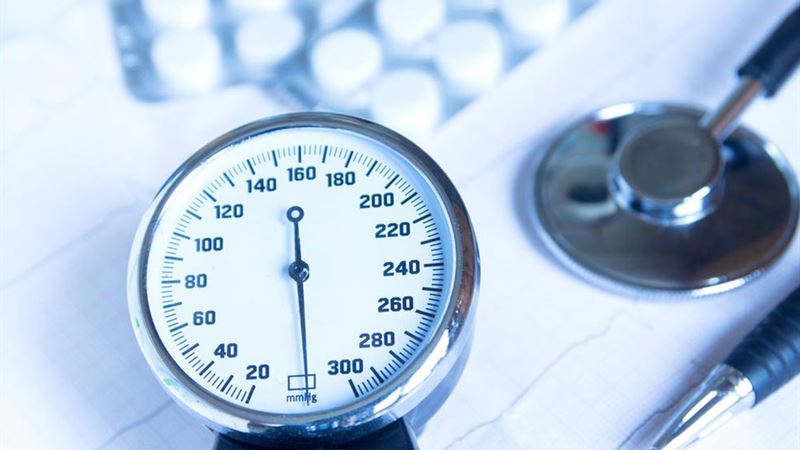
Managing blood pressure naturally is vital for maintaining overall health and preventing chronic conditions. Several lifestyle modifications and dietary choices can significantly influence your blood pressure levels without the need for medication. These approaches are safe, non-invasive, and contribute to long-term health benefits. In this comprehensive guide, we explore proven natural methods to control blood pressure effectively and sustainably, ensuring you can lead a healthier life free from the risks associated with hypertension.
High blood pressure, or hypertension, is a common health issue affecting millions worldwide. It is often called the 'silent killer' because it typically shows no symptoms but can lead to severe complications such as heart disease, stroke, kidney damage, and vision loss if left unmanaged. The good news is, through a combination of dietary changes, physical activity, weight management, stress reduction, and other natural remedies, you can keep your blood pressure within a healthy range without relying solely on medication.
Let’s delve deeper into each strategy, supported by scientific research, to provide you with practical tips and insights for blood pressure control.
- Achieve and Maintain a Healthy Body Weight
One of the most impactful ways to lower blood pressure naturally is to maintain a healthy weight. Excess weight, particularly around the abdomen, strains your cardiovascular system and increases the workload on your heart and arteries. Studies have demonstrated that shedding even a few pounds can make a significant difference in controlling hypertension.
Obesity often accompanies other health issues such as sleep apnea, which further contributes to elevated blood pressure levels. Sleep apnea causes interrupted breathing during sleep, leading to spikes in blood pressure and increasing cardiovascular risks. Managing weight through a balanced diet and regular physical activity can mitigate these effects and promote restful sleep.
Choosing nutritious, calorie-appropriate foods combined with an active lifestyle can help in gradual, sustainable weight loss. Aim for a slow and steady reduction in weight as rapid loss may be counterproductive and unsustainable.
- Engage in Regular Physical Activity
Physical activity is essential for cardiovascular health and plays a crucial role in lowering blood pressure. Engaging in moderate exercise for at least 150 minutes per week — such as brisk walking, cycling, swimming, or dancing — can help reduce hypertension significantly.
Regular exercise strengthens your heart muscle, allowing it to pump blood more efficiently, which in turn decreases the force on your arteries. It also helps in weight management, reduces stress, and improves overall vascular health.
However, it’s important to start slowly and gradually increase intensity under medical guidance, especially if you have pre-existing health conditions. Avoid overexertion, which can cause temporary spikes in blood pressure. Consistency is key: maintaining an active routine ensures lasting benefits and better blood pressure control.
For those with mild hypertension, consistent physical activity alone may suffice to prevent progression. For severe cases, exercise serves as a complementary approach alongside other lifestyle modifications and medications.
- Adopt a Heart-Healthy, Balanced Diet
Diet plays a pivotal role in managing blood pressure levels. Consuming a diet rich in whole grains, fresh vegetables, fruits, lean proteins, and dairy products supports cardiovascular health. Incorporating these foods helps provide essential nutrients and antioxidants that protect blood vessels and regulate pressure.
The Dietary Approaches to Stop Hypertension (DASH) diet is widely recommended for hypertension management. It emphasizes low sodium intake, increased potassium, calcium, magnesium consumption, and limiting saturated fats.
Gradually transitioning to these eating habits ensures better adherence and sustainable results. Avoid processed foods, fast foods, and high-fat snacks, as they tend to be high in sodium and unhealthy fats, exacerbating blood pressure issues.
- Limit Sodium Intake to Reduce Hypertension
Reducing salt consumption is one of the most effective natural approaches to lowering blood pressure. Excess sodium causes the body to retain water, increasing blood volume and pressure.
Aim to keep your daily sodium intake below 2,300 milligrams, with an ideal target of 1,500 milligrams for optimal support. Read food labels carefully and minimize intake of canned foods, processed meats, and salty snacks that are high in preservatives and sodium.
Cooking meals at home with fresh ingredients is a practical way to control salt levels. Experiment with herbs, spices, and citrus to flavor your food without relying on salt.
- Stress Management Techniques
Chronic stress can cause temporary spikes in blood pressure and contribute to long-term hypertension if unmanaged. High stress levels activate the sympathetic nervous system, releasing stress hormones like adrenaline and cortisol, which constrict blood vessels and increase pressure.
Practicing stress-relief techniques such as yoga, meditation, deep breathing, and mindfulness can help calm the nervous system and promote relaxation. Incorporating these practices into daily routines can lead to significant reductions in blood pressure over time.
Engaging in hobbies, maintaining social connections, and ensuring adequate sleep are additional ways to manage stress effectively.
- Boost Your Potassium Intake
Potassium is a vital mineral that helps balance sodium levels in the body and relax blood vessel walls, thereby reducing blood pressure. Increasing dietary potassium is a natural way to counteract the effects of sodium and support healthy vasodilation.
Rich sources of potassium include bananas, tomatoes, sweet potatoes, spinach, yogurt, beans, and avocados. Incorporating these foods into your daily diet can significantly improve blood pressure regulation.
It is advisable to consult with a healthcare provider before making major dietary changes, especially if you have kidney issues or other health conditions.
- Cut Down on Refined Carbohydrates
Foods high in refined carbs such as white bread, pastries, and sugary snacks contribute to insulin resistance and weight gain, both of which can elevate blood pressure.
Switching to a low-carb, whole-food diet helps improve overall metabolic health and blood vessel function, leading to better blood pressure control.
Focus on consuming complex carbohydrates like oats, quinoa, brown rice, and sweet potatoes, which provide sustained energy without spiking blood sugar levels.
- Increase Your Calcium Intake
Calcium plays a key role in maintaining normal blood pressure. A diet rich in calcium can help prevent hypertension or assist in managing existing high blood pressure.
Good sources include dairy products like milk, cheese, and yogurt, as well as green leafy vegetables such as kale and bok choy, and plant-based options like tofu.
Ensuring adequate calcium intake is especially important for individuals with minor or borderline hypertension and is beneficial for overall bone health.
- Eliminate or Limit Smoking and Alcohol
Smoking causes immediate spikes in blood pressure and damages blood vessel walls over time, increasing cardiovascular risk. Quitting smoking dramatically reduces these risks and contributes to lower blood pressure levels.
Alcohol consumption, when moderate, may have a neutral or slightly beneficial effect on blood pressure. However, excessive drinking leads to increased hypertension risk and diminishes the effectiveness of medications.
Limiting or abstaining from smoking and alcohol is a crucial step in natural blood pressure management.
- Regular Blood Pressure Monitoring
Keeping track of your blood pressure is fundamental to understanding how lifestyle changes impact your health. Home blood pressure monitors are reliable tools that enable you to monitor your levels regularly and make informed decisions.
Schedule routine check-ups with your healthcare provider to evaluate your progress, adjust lifestyle strategies, and ensure there are no underlying health issues.
Tracking your blood pressure also helps in early detection of any concerning trends, prompting timely medical intervention if necessary.
In summary, controlling blood pressure naturally involves a multifaceted approach focused on healthy living, proper diet, stress reduction, and regular monitoring. Though these strategies are effective, it’s essential to consult a healthcare professional for personalized advice and treatment planning. Implementing these changes can help you achieve and maintain a healthy blood pressure, significantly reducing the risk of cardiovascular complications and enhancing your overall quality of life.