
Comprehensive Overview of Endometriosis: Symptoms, Diagnosis, and Treatment Options
This comprehensive article explores endometriosis, detailing its symptoms, stages, diagnostic methods, and treatment options. It emphasizes the importance of early diagnosis and offers insights into medical and surgical management strategies. With no current cure, women can still find significant relief through targeted therapies, improving their quality of life. The article aims to educate women on recognizing signs, seeking timely medical help, and understanding the different treatment pathways to manage this chronic condition effectively.
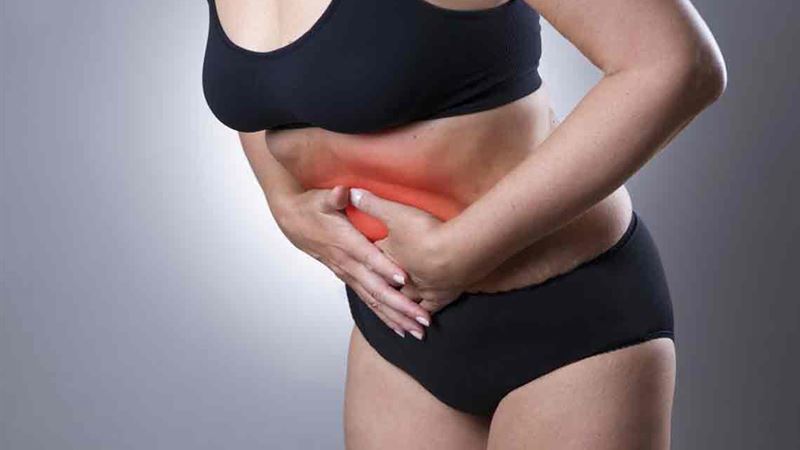
Recognizing Endometriosis Symptoms
The symptoms of endometriosis vary greatly among women. Some may experience mild discomfort, while others endure intense pain. Importantly, the severity of pain does not necessarily correlate with the extent of the disease. A woman with mild symptoms might have advanced endometriosis, whereas someone with significant pain may have minimal tissue growth. Common symptoms include:
- Pelvic pain, especially during menstruation or ovulation
- Chronic lower abdominal pain
- Severe pain during or after sexual intercourse
- Heavy or irregular menstrual bleeding
- Persistent lower back pain coinciding with menstrual cycles
- Painful urination or bowel movements during periods
- Increased gastrointestinal disturbances such as constipation, diarrhea, or irritable bowel sensations
- Infertility or difficulty conceiving
If you are experiencing any of these symptoms, it is highly recommended to seek medical advice. Consulting a gynecologist allows for proper examination and diagnosis, which is essential for effective management of the condition.
Strategies for Managing Endometriosis Pain
Currently, there is no definitive cure for endometriosis; however, numerous treatments focus on alleviating symptoms and preventing disease progression. With proper management, women can experience significant relief and improve their quality of life. The mainstay of treatment includes medications and surgical interventions:
- Medications: Non-steroidal anti-inflammatory drugs (NSAIDs) like ibuprofen are frequently used to reduce pain. These medications can provide temporary relief but are not a permanent solution.
- Hormonal Contraceptives: Birth control pills, vaginal rings, patches, and continuous hormonal therapy can suppress ovarian hormone production, leading to reduced growth of endometrial tissue and pain relief. Medroxyprogesterone injections are also effective in regulating menstrual cycles and decreasing tissue proliferation.
- Hormonal Therapy: This approach aims to modulate hormonal changes responsible for endometrial tissue growth. Options include GnRH agonists and antagonists, which induce a temporary menopause-like state to halt symptom progression.
- GnRH Agonists and Antagonists: These medications work by blocking the secretion of gonadotropins, thereby reducing estrogen levels. While effective, they may cause side effects such as hot flashes and vaginal dryness, which are often managed with low-dose estrogen or progesterone supplementation.
- Danazol: A synthetically derived steroid that helps stop menstruation and can diminish endometrial growth. However, it may produce undesirable side effects like hirsutism (excessive hair growth) and voice changes.
- Surgical Options: When medications do not provide sufficient relief, conservative surgical procedures can be performed. These aim to remove or destroy endometrial implants without damaging reproductive organs, often performed via laparoscopy. In severe cases, more extensive surgeries such as hysterectomy might be considered.
Understanding Endometriosis Severity: Different Stages
Endometriosis is classified into four stages based on the extent of tissue invasion, location, and lesion depth:
- Stage I — Minimal: Characterized by small superficial lesions and minor inflammation. Typically involves small implants on the ovaries with limited adhesions.
- Stage II — Mild: Slightly larger implants with more surface involvement, yet not deeply infiltrating tissues.
- Stage III — Moderate: Deeper infiltrating implants with increased adhesions and more extensive lesions affecting the ovaries and pelvic lining.
- Stage IV — Severe: Widespread deep implants, significant adhesions, and extensive tissue involvement. Women with this stage often experience chronic, severe pain and infertility issues.
The precise stage is determined by factors such as location, size, and depth of endometrial implants, as well as the presence of adhesions.
Diagnostic Procedures for Endometriosis
Diagnosing endometriosis relies on a combination of clinical symptoms and confirmatory tests:
- Ultrasound: A non-invasive imaging technique useful for detecting cysts (endometriomas) related to ovarian endometrial tissue.
- Laparoscopy: Considered the gold standard, this minimally invasive surgical procedure allows direct visualization of endometrial implants and the opportunity for tissue biopsy to confirm diagnosis.
Proper diagnosis is vital for formulating an effective treatment plan and managing symptoms efficiently.
Potential Complications and Risk Factors
The most serious complication associated with endometriosis is reduced fertility, often leading to difficulty conceiving. Women with mild symptoms may still conceive naturally, while advanced cases may require assisted reproductive techniques such as in vitro fertilization (IVF). Other risks include chronic pain, ovarian cyst formation, and in some cases, the development of endometriosis-associated cancers.
Research indicates that between 2-10% of women of reproductive age may be affected by endometriosis, with early symptoms often going unnoticed or misdiagnosed. The risk factors include early onset of menstruation, family history, and certain genetic predispositions.
Early detection and management are key to preventing severe complications. Women experiencing persistent pelvic pain or other symptoms should seek prompt medical evaluation.
In conclusion, endometriosis remains a challenging but manageable condition. Symptoms can be effectively controlled through a combination of medication, lifestyle adjustments, and surgical interventions. Although it is a chronic disorder with no known cure, many women lead healthy, fulfilling lives with proper treatment. Post-menopause, symptoms often diminish, providing partial relief. Awareness and early diagnosis remain crucial steps toward improved quality of life for women affected by this condition.