
Understanding Parkinson’s Disease: Signs, Diagnostic Methods, and Advanced Management Strategies
Explore comprehensive insights into Parkinson’s disease, including key symptoms, advanced diagnostic methods like DaTscan, and state-of-the-art management options such as deep brain stimulation, focused ultrasound, and emerging therapies. Learn how lifestyle changes and supportive therapies can enhance quality of life for patients affected by this progressive neurological disorder.
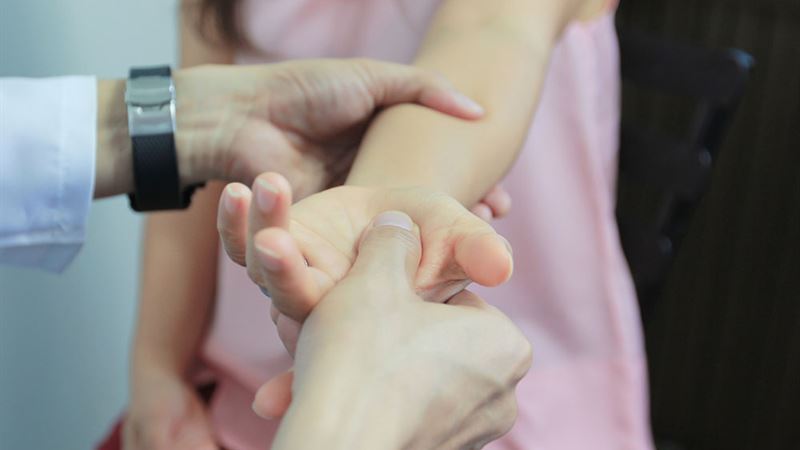
Diagnostic Procedures for Parkinson’s Disease
The diagnosis of Parkinson’s disease remains predominantly clinical, requiring a meticulous evaluation of symptoms. Physicians start with a detailed medical history, assessing for classical signs such as tremors, rigidity, bradykinesia (slowness of movement), and postural instability. A thorough physical and neurological examination follows to observe motor and non-motor symptoms. Key signs include resting tremors—usually appearing when the limb is at rest—and muscle rigidity, which presents as stiffness and resistance to movement. The doctor also looks for balance issues, gait abnormalities, and speech difficulties.
Sometimes, to differentiate PD from other neurodegenerative conditions, clinicians may recommend neuroimaging, such as a DaTscan. This SPECT imaging technique visualizes dopamine transporter levels in the brain, assisting in confirming a Parkinsonian syndrome diagnosis. Blood tests and MRI scans are conducted primarily to exclude other potential causes for similar symptoms, such as strokes, tumors, or metabolic disorders. These investigations help ensure that treatment plans are accurately tailored to the patient's specific condition.
Current Treatment Strategies for Managing Parkinson’s Disease
While a definitive cure for Parkinson’s has yet to be discovered, a variety of treatments are available to manage symptoms effectively. The goal of therapy is to improve quality of life, reduce motor and non-motor symptoms, and slow disease progression where possible. A comprehensive approach may involve medication, surgical options, and emerging experimental therapies, tailored to each patient’s needs and disease stage.
Medication-Based Treatments
The mainstay of Parkinson’s management involves pharmacological interventions. Levodopa remains the most effective drug, converting into dopamine in the brain to replenish depleted levels. Other medications include dopamine agonists, MAO-B inhibitors, and anticholinergic agents, which help manage motor symptoms. Medications are carefully prescribed and monitored to minimize side effects such as dyskinesias or fluctuations in symptom control. In some cases, patients may require drug adjustments over time to optimize symptom control.
Deep Brain Stimulation (DBS)
DBS is an advanced, surgical treatment used when medications no longer provide sufficient relief. It involves implanting electrodes into specific brain regions such as the subthalamic nucleus, globus pallidus, or thalamus. The electrodes connect to a pulse generator placed typically in the chest, which delivers controlled electrical impulses to modulate abnormal brain activity. MRI-guided neurophysiological mapping ensures precise placement. This procedure significantly reduces tremors, rigidity, and difficulty with movement, offering improved mobility and comfort.
Patients can adjust DBS settings using a remote control, allowing personalized therapy. DBS is especially beneficial for managing motor fluctuations and medication-resistant symptoms, enhancing daily functioning.
Innovative Minimally Invasive Treatments
A recent breakthrough in Parkinson’s treatment involves MRI-guided focused ultrasound (MRgFUS). This technique directs high-intensity ultrasound waves to specific brain regions, like the thalamus, to selectively destroy malfunctioning tissue responsible for tremors. The process is minimally invasive and offers symptom relief with fewer risks compared to traditional surgery. Patients typically experience rapid recovery, making MRgFUS an attractive option for suitable candidates.
Surgical Interventions
In advanced stages, surgical approaches may be necessary. Stereotactic surgery allows precise targeting of deep brain structures involved in movement regulation. Procedures such as pallidotomy and thalamotomy are performed by creating small lesions in the globus pallidus or thalamus, respectively, to reduce specific symptoms like severe tremors or rigidity. These surgeries are considered when medications are insufficient or cause intolerable side effects. They require careful patient selection and detailed preoperative planning.
Emerging and Experimental Treatments
Researchers worldwide are exploring new options to slow, stop, or reverse Parkinson’s progression. Stem cell therapies aim to replace lost neurons, offering hope for long-term symptom relief. Experimental approaches also include gene therapy, which targets genetic mutations associated with Parkinson’s, potentially altering disease course. Neuron-repair treatments, focusing on restoring damaged neural pathways, are under investigation. These cutting-edge therapies may, in the future, transform how we understand and manage Parkinson’s disease.
- Stem Cell Therapeutics
Embryonic and induced pluripotent stem cells show potential to regenerate dopamine-producing neurons, possibly halting disease progression or restoring lost functions. - Gene Editing and Gene Therapy
Focusing on genetic mutations linked to Parkinson’s, researchers develop targeted treatments that could slow or modify disease pathways. - Neurorestorative Strategies
Efforts to repair damaged neural networks involve growth factors and novel biologics to stimulate nerve regeneration.
Comprehensive Management and Lifestyle Adjustments
Alongside medical and surgical treatments, lifestyle modifications play a crucial role in symptom management. Nutritional choices, regular exercise, and supportive therapies collectively contribute to improved quality of life.
- Diet: Incorporating high-fiber foods, omega-3 fatty acids, and adequate hydration can support overall health and potentially slow disease progression.
- Exercise: Activities like walking, dancing, swimming, and stretching improve muscle strength, flexibility, and balance, reducing fall risk.
- Physiotherapy: Tailored exercises address stiffness, improve posture, and enhance mobility.
- Occupational Therapy: Assistance with daily activities such as dressing, grooming, and cooking supports independence.
- Speech Therapy: Techniques to alleviate speech and swallowing difficulties improve communication and safety.
- Fall Prevention: Implementing safety measures—like careful turning, avoiding carrying heavy objects while walking, and practicing balance exercises—reduces injury risk as the disease advances.