
The Crucial Importance of Securing Insurance for Commercial Truck Operations
This comprehensive guide emphasizes the importance of securing tailored insurance coverage for commercial trucks. It covers key policy types, major insurance providers, and tips for choosing the best coverage aligned with industry regulations and operational risks. Protect your fleet and business by understanding how to optimize your insurance strategy effectively.
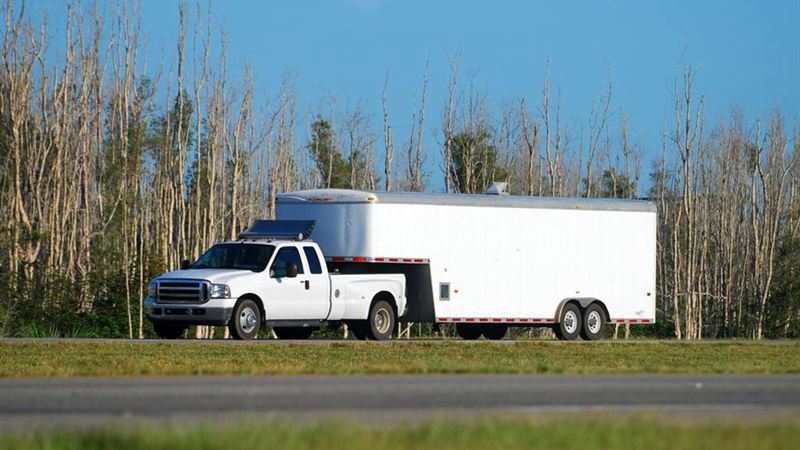
In today’s transportation industry, commercial trucks are vital for moving goods across cities, states, and even countries. These vehicles encompass a broad spectrum including long-haul trucks, dump trucks, tow trucks, auto carriers, refrigerated units (reefers), dry freight trucks, containers, and specialized delivery trailers. Although these vehicles serve diverse purposes, they all share common risks and operational challenges, making comprehensive insurance coverage essential to protect both assets and livelihoods.
The necessity for reliable truck insurance cannot be overstated, as it safeguards against financial loss resulting from accidents, damages, theft, and liability claims. The scope of coverage needed for commercial trucking involves multiple insurance policies and endorsements designed to address various risks encountered in the industry. Proper understanding and selection of appropriate insurance plans are critical for ensuring smooth business operations and maintaining regulatory compliance.
Understanding the Core Components of Commercial Truck Insurance
Commercial truck insurance comprises several essential coverage types, each tailored to specific operational risks. These policies are designed to minimize financial exposure and ensure that business disruptions are limited in case of unforeseen events. The key aspects of commercial truck insurance include:
- Motor truck cargo insurance: Protects goods being transported from loss or damage during transit.
- Physical damage coverage: Covers repair or replacement costs for the truck resulting from collisions or other incidents.
- Liability insurance: Provides coverage for bodily injury and property damage caused to third parties during operations.
- Excess liability coverage: Offers increased protection beyond primary liability limits for more significant claims.
- Workers’ compensation insurance: Covers employee injuries sustained during work-related activities.
- Non-trucking liability: Protects owners and operators when the vehicle is off duty and not engaged in commercial load transportation.
- Reefer insurance: Specifically designed for refrigerated trucks, covering cooling units and perishable cargo.
- Bobtail insurance: Offers coverage when operating the truck without a trailer attached.
- Terminal coverage: Protects property and vehicles while parked at terminals or terminals facilities.
- Trailer interchange liability: Assists when trailers are exchanged between carriers or during drop-and-hook operations.
- Warehouse legal coverage: Provides legal protection related to storage facilities or warehouses used in the supply chain.
- Non-owned trailer liability: Covers damages caused by trailers not owned by the trucking company but operated by its drivers.
Financial Implications of Commercial Truck Ownership
Investing in commercial trucks involves substantial capital, often running into tens or hundreds of thousands of dollars for each vehicle. Alongside the purchase price, ongoing expenses such as fuel, maintenance, permits, and insurance contribute significantly to operational costs. Insurance, in particular, represents a notable financial outlay, but it is an unavoidable expense necessary to mitigate risks associated with trucking operations.
Understanding how to optimize insurance coverage is vital for controlling costs. By selecting policies aligned with the specific needs of your fleet and operational scope, you can reduce premiums without sacrificing essential protection. This strategic approach to insurance involves assessing risk exposure, choosing appropriate coverage limits, and leveraging discounts offered by various providers.
Leading Insurance Providers Serving Commercial Trucking Sector
The landscape of commercial truck insurance is populated with numerous reputable companies, each offering unique coverage options, competitive rates, and customer service features. Here are some of the top insurance providers known for their specialized truck insurance policies:
- Progressive Commercial: Known for a wide range of coverage options, Progressive caters to heavy-duty trucks with flexible payment plans and efficient claim processing services tailored for truck operators.
- Esurance: Offers customizable insurance packages for commercial vehicles, often including attractive discounts and online management tools for policyholders.
- State Farm: Provides comprehensive commercial truck insurance with additional options like non-owned car liability, making it suitable for diverse fleet sizes and types.
- Allstate: Offers specialized coverage for commercial trucks, including reward points and extensive protection plans designed for large and small operators alike.
- Nationwide: Features flexible billing arrangements and a strong commitment to repair guarantees, helping clients manage costs and maintain fleet integrity.
- Titan Insurance: Combines affordability with robust coverage options, offering discounts tailored for different operational needs.
- Framers Insurance: Focused on commercial trucks, including food trucks, Framers provides tailored insurance solutions through its dedicated truck exchange subsidiary.
- Travelers: Known for insuring vehicles across various sectors, Travelers offers customized policies suitable for both small and large fleet operations, including specialty vehicles.
- The Hartford: Provides comprehensive commercial truck insurance packages, coupled with driver performance programs and accident forgiveness features for fleets under 25 trucks.
- Liberty Mutual Insurance: Delivers safety-oriented policies, including driver training programs and flexible coverage options designed to promote safer fleet management.
Selecting the Right Insurance Policy for Your Fleet
Choosing the appropriate insurance provider and coverage plan for your commercial trucking operations involves careful consideration of multiple factors. Firstly, understanding your state’s regulatory requirements is crucial, as each jurisdiction may have distinct minimum coverage limits and compliance standards. Enforcement of these regulations is vital to avoid penalties and legal issues.
Next, assessing the specific risks associated with your fleet—such as vehicle types, cargo, routes, and driver experience—will help identify necessary coverages and optimal policy limits. It’s recommended to work closely with an experienced insurance broker who understands the trucking industry. A knowledgeable broker can help decipher policy nuances, negotiate better rates, and tailor coverage to match your operational profile and budget constraints.
Additionally, evaluating the reputation and financial stability of insurance providers ensures you partner with companies capable of fulfilling claims promptly and efficiently. Customer reviews, industry ratings, and claims service quality are valuable indicators of a provider’s reliability.
Final Thoughts: Navigating Truck Insurance with Confidence
Securing the right insurance coverage for your commercial trucking business is a critical step toward ensuring operational resilience and financial security. While the array of coverage options and insurance carriers can be overwhelming, taking the time to understand your specific needs and regulatory obligations will guide you toward the best choices. Collaborating with industry professionals, such as insurance brokers, can streamline the process and maximize your coverage value.
Remember, adequate insurance not only protects your investments but also enhances your business’s reputation and customer trust. In the competitive world of freight and logistics, well-insured fleets are better positioned to operate smoothly, respond to unforeseen challenges, and capitalize on growth opportunities.