
Comprehensive Guide to Choosing the Ideal Commercial Truck Insurance for Your Business
This comprehensive guide offers valuable insights into commercial truck insurance, covering essential policies, considerations for choosing the right coverage, and tips to protect your trucking business effectively. Understanding these elements helps fleet owners and operators make informed insurance decisions, ensuring their assets and operations are well-protected against various risks.
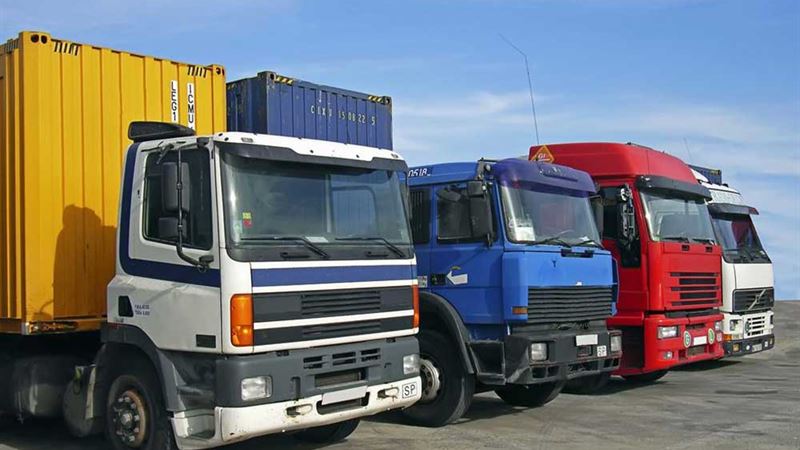
Understanding the nuances of commercial truck insurance can seem daunting at first, but it’s essential for protecting your business against unforeseen liabilities and financial losses. The coverage you choose depends on multiple factors, including the type of trucks you operate, the cargo you carry, and the operational regions. This guide aims to demystify the various coverage options, helping you make informed decisions that align with your company's needs and budget.
Types of Commercial Truck Insurance and Their Importance
Just like personal auto insurance, commercial truck insurance offers several essential coverage categories. Each serves a specific purpose and collectively provides comprehensive protection. Here are the primary coverage types you should consider:
- Liability Insurance for Commercial Trucks: This is the cornerstone of any commercial vehicle policy. It covers the legal liabilities arising from accidents involving your trucks, including bodily injuries to third parties and property damage. Whether you are at fault or not, this coverage helps cover medical expenses, repair costs, and legal fees that may result from an accident. Given the potential for significant financial exposure, liability coverage is often mandated by law and is critical for safeguarding your business assets.
- Physical Damage Coverage: This protective layer covers repair or replacement costs if your trucks are damaged in accidents, collisions, theft, vandalism, or natural disasters. It generally includes two main subtypes:
- Collision Coverage: Pays for damages resulting from collisions with other vehicles or objects. Essential for vehicles frequently on busy roads or in dense urban areas.
- Comprehensive Coverage: Protects against damages from non-collision events like theft, fire, vandalism, or natural calamities.
- Uninsured and Underinsured Motorist Protection: This coverage becomes vital when involved in accidents caused by drivers lacking adequate insurance. It ensures your business is protected financially in situations where the at-fault driver cannot cover the damages, covering medical expenses and property repairs.
- Cargo Insurance: The cargo carried by your trucks often represents a significant investment. Cargo insurance safeguards against the risks of theft, damage, or loss of goods during transit. Whether you’re transporting perishable goods, heavy machinery, or valuable commodities, having proper cargo coverage minimizes financial risks associated with cargo mishaps.
Additional Considerations When Choosing Commercial Truck Insurance
Beyond basic coverage, there are several other factors to keep in mind to ensure your policy provides comprehensive protection tailored to your business. These include:
- Operational Scope: The regions where your trucks operate, whether local, regional, or long-haul routes, influence risk factors and coverage needs.
- Type of Cargo: Hazardous materials or high-value cargo may require specialized insurance policies or endorsements.
- Fleet Size: Larger fleets often qualify for discounted rates and customized coverage plans.
- Regulatory Compliance: Ensuring your insurance meets federal and state regulations is mandatory to avoid penalties and legal issues.
- Insurance Deductibles and Premiums: Balancing premium costs with manageable deductibles ensures affordable coverage without compromising protection.
Tips for Finding the Best Commercial Truck Insurance
- Compare quotes from multiple providers to find competitive rates.
- Assess the financial stability and reputation of insurance companies.
- Seek policies with clear coverage limits and transparent terms.
- Consider bundling policies for additional discounts.
- Work with experienced insurance agents familiar with the trucking industry.
Investing time in researching and selecting the right insurance coverage can save your business from substantial financial burdens in the future. Prioritize suitable coverage, understand policy details, and regularly review your insurance plans to keep up with evolving operational needs.