
Signs Indicating You Should Consult a Healthcare Professional for Baker’s Cyst
Learn the critical signs that indicate when you should seek medical attention for a Baker’s cyst. Persistent symptoms, severe pain, recurrent cysts, rapid swelling, or signs of infection require prompt professional evaluation. Early diagnosis and targeted treatment can prevent complications and address underlying issues effectively. Recognize these warning signals to maintain knee health and avoid prolonged discomfort.
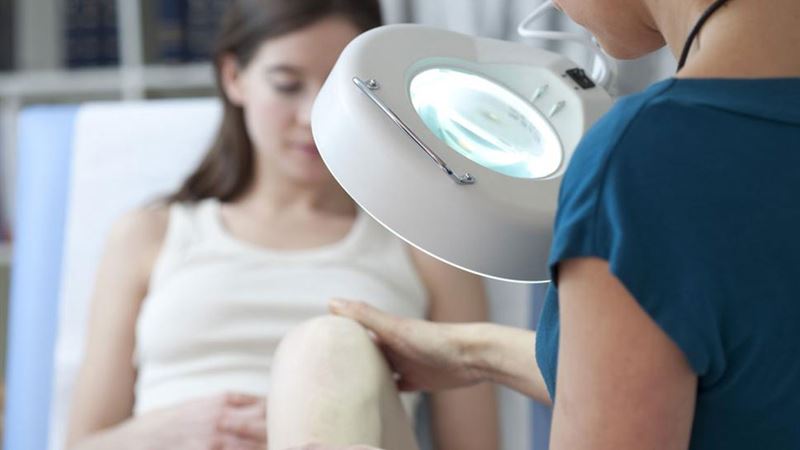
While many cases of Baker’s cyst can be managed at home, there are critical warning signs that signal the need for prompt medical evaluation. Understanding when to seek professional care can prevent potential complications and ensure proper treatment. A Baker’s cyst, also known as a popliteal cyst, frequently appears behind the knee due to joint issues or injury. Although some cysts resolve on their own, persistent or worsening symptoms require medical attention to identify underlying causes and prevent further health problems.
Persistent Symptoms Beyond Two Weeks: If you've been applying home remedies for more than two weeks without noticeable improvement, it’s advisable to consult a healthcare professional. While minor cysts often resolve independently, a cyst that persists beyond this period may indicate underlying joint issues or other health concerns that need medical diagnosis and targeted treatment. Relying solely on home treatments may delay necessary interventions, potentially leading to worsening symptoms or complications.
Intense or Unmanageable Pain: Pain is a common symptom of Baker’s cyst, but excessive or worsening pain that doesn't respond to over-the-counter remedies warrants medical evaluation. Severe pain could suggest additional problems such as cyst rupture, blood clot formation, or infection, which require prompt diagnosis. If pain limits your mobility or interferes with daily activities, seek immediate medical assistance to determine the cause and receive proper treatment.
Recurring or Recurrent Cysts: Repeated appearances of Baker’s cysts might be indicative of unresolved underlying issues like arthritis, meniscal tears, or cartilage degeneration. Home remedies like anti-inflammatory medications may temporarily reduce swelling but do not address the root cause. A recurrent cyst should prompt a visit to a healthcare provider for comprehensive assessment, which might include imaging tests such as MRI or ultrasound, to identify and treat the underlying condition and prevent future occurrences.
Rapid Increase in Size or Sudden Swelling: Any rapid expansion of the cyst or sudden swelling behind the knee could signal complications such as cyst rupture or bleeding. Such symptoms require urgent medical evaluation to prevent further issues. Immediate consultation is essential to determine the nature of the swelling and to initiate appropriate treatment, which might include aspiration or other interventions.
Signs of Infection: If the cyst becomes tender, warm, red, or shows signs of infection such as pus, fever, or increased redness, seek medical care immediately. Infection within or around the cyst can lead to serious complications, and prompt treatment with antibiotics or drainage is necessary.
In summary, while many Baker’s cysts can be initially managed with home remedies, recognizing warning signs and knowing when to consult a healthcare professional is vital. Persistent symptoms, severe pain, recurrent cysts, rapid growth, or signs of infection are indicators that professional evaluation and treatment are necessary. Early intervention can help avoid complications and treat any underlying conditions effectively. Always remember that accurate diagnosis and appropriate treatment from a healthcare provider are crucial for full recovery and long-term health. Do not delay seeking medical assistance if you experience any of these warning signs to ensure optimal outcomes and avoid unnecessary suffering or complications.