
Recognizing When Medical Attention Is Necessary for Baker’s Cyst Symptoms
This comprehensive guide explains when to seek medical care for Baker’s cysts, highlighting symptoms like persistent swelling, severe pain, signs of rupture or infection, recurrence, and limited mobility. Recognizing these symptoms early and consulting a healthcare provider can prevent complications such as joint damage or chronic inflammation. Treatment options include conservative management, aspiration, corticosteroid injections, and surgery, depending on severity. Understanding these guidelines helps ensure timely intervention, improved recovery, and better long-term joint health for those affected by this common condition.
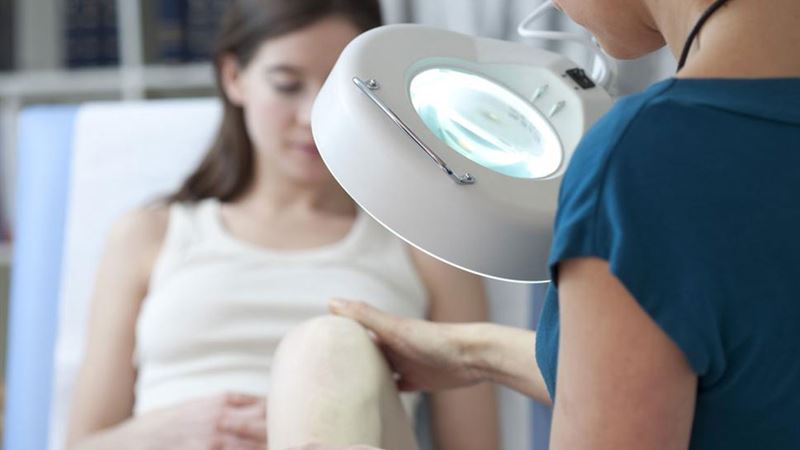
Baker’s cysts, also known as popliteal cysts, are fluid-filled sacs that develop behind the knee joint. While many cases resolve on their own or with conservative therapies, there are situations where delayed medical intervention could lead to complications or prolonged discomfort. Understanding the signs that indicate you need to see a healthcare professional is crucial for proper management and recovery. This comprehensive guide will explore when to seek medical help for Baker’s cysts, common symptoms to watch for, potential risks, and effective treatment options tailored to different cases.
Why Do Baker’s Cysts Occur?
A Baker’s cyst typically forms when excess synovial fluid from the knee joint accumulates in a bursae or sac located at the back of the knee. This process can be triggered by underlying issues such as arthritis, meniscal tears, or other joint injuries. Inflammation within the knee causes increased fluid production, which can lead to cyst formation. Though often benign, if not managed properly, Baker’s cysts may cause significant discomfort or complicate underlying conditions.
When to Consult a Healthcare Professional for Baker’s Cyst
- Persistent swelling beyond two weeks: If you notice that swelling or a lump behind your knee persists for more than 14 days despite home remedies such as rest, ice, compression, or OTC medications, it’s time to seek medical advice. Prolonged swelling could indicate an unresolved or worsening condition that requires professional intervention.
- Severe or worsening pain: While some discomfort is common, intense pain that intensifies over time is a red flag. If pain interferes with daily activities or exacerbates with movement, it could indicate complications like cyst rupture, infection, or additional joint issues.
- Signs of infection: Redness, warmth, fever, or pus around the cyst suggest infection, a serious condition requiring immediate medical assessment and antibiotic treatment.
- Signs of cyst rupture: Sudden swelling, increased pain, redness, or a feeling of fluid leakage can be signs that the cyst has ruptured. This situation may lead to inflammation or further complications that necessitate prompt medical care.
- Recurrence after treatment: If cysts keep returning despite previous management, further evaluation is essential. Recurring cysts might be a symptom of an underlying joint disorder that needs comprehensive treatment.
- Limited mobility or joint locking: If the cyst causes restricted movement, stiffness, or locking of the knee joint, it indicates significant joint involvement that must be assessed by a healthcare professional.
- Other associated symptoms: Numbness, tingling, or weakness in the leg or foot can suggest nerve impingement or nerve involvement, requiring urgent medical attention.
The Risks of Ignoring Serious Symptoms
Failing to recognize critical signs and delaying treatment can result in complications such as joint damage, persistent pain, infection, or even blood clots. Chronic inflammation or untreated underlying conditions might lead to further deterioration or mobility issues. It’s always better to err on the side of caution and consult a healthcare provider if you experience any of the symptoms mentioned above.
Medical evaluation typically involves physical examination, imaging studies like ultrasound or MRI, and assessment of underlying joint health. Proper diagnosis ensures that treatment addresses not only the cyst but also any associated underlying issues, reducing the risk of recurrence and long-term complications.
Effective Treatments for Baker’s Cyst
- Conservative approaches: Rest, elevation, compression, and application of ice packs help manage swelling and pain. Non-steroidal anti-inflammatory drugs (NSAIDs) are commonly recommended to reduce inflammation.
- Aspiration and corticosteroid injection: For persistent or painful cysts, healthcare providers may perform needle aspiration to drain excess fluid. Following this, corticosteroid injections can decrease inflammation and swelling.
- Surgical intervention: In cases where cysts recur frequently or do not respond to other treatments, surgical removal of the cyst or addressing underlying joint issues may be necessary, often performed arthroscopically.
- Treating underlying causes: Managing arthritis, joint injuries, or meniscal tears through physical therapy, medications, or other interventions is essential to prevent cyst recurrence.
Remember, self-treatment can be helpful for minor cases, but medical evaluation is vital when symptoms worsen or do not improve. Timely intervention ensures better outcomes, reduces discomfort, and restores joint functionality efficiently. When in doubt, always consult a healthcare professional for personalized advice and treatment options tailored to your specific needs.