
Comprehensive Guide to Managing an Itchy Scalp Effectively
Discover comprehensive strategies for managing an itchy scalp, including proper shampoo choices, addressing lice infestation, and when to seek medical advice. Tailor your hair care routine to maintain scalp health and prevent persistent irritation for long-term comfort.
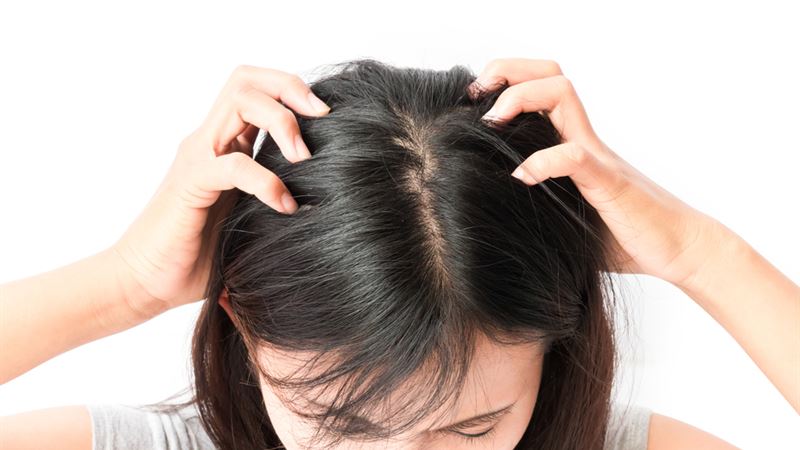
Does shampooing help alleviate scalp itchiness? How often should one wash their hair?
- In most cases, yes, regular shampooing can reduce itchiness.
- However, the situation is nuanced. An itchy scalp often results from dryness or sensitivity rather than oiliness.
- Many individuals misinterpret scalp oiliness; over-washing can strip natural oils, leading to dryness, which causes more itching—a vicious cycle.
For optimal scalp health, the frequency of hair washing should be tailored to individual hair types, scalp conditions, and environmental factors. Typically, washing your hair about two times weekly helps maintain the balance of oils and moisture, preventing dryness or excessive oiliness. Conditioning plays a crucial role: using appropriate conditioners before and after washing can help soothe the scalp and reduce irritation.
Choosing the right shampoo: What should you look for?
- The primary function of a good shampoo is to cleanse the scalp by removing dirt, excess oils, and product buildup while preserving the skin's natural pH balance.
- Be cautious of shampoos that make exaggerated claims, as they often fall short of delivering comprehensive benefits.
- A significant factor in preventing scalp irritation is maintaining the correct pH level; the healthy scalp pH usually ranges from 4.5 to 5.7, whereas water has a pH of 7. Shampoos should ideally support this acidity to keep the scalp’s natural defenses intact.
- When selecting a shampoo, seek products formulated for your specific scalp concerns—dryness, oiliness, dandruff, or sensitivity. Testing samples can help identify the best fit.
- Always prefer sulfate-free and paraben-free shampoos whenever possible, as these agents can strip essential oils and irritate sensitive scalps.
Could lice infestation be the cause of scalp itchiness?
- Persistent itching can sometimes be attributed to lice. This is a common concern.
- To confirm, thoroughly comb your hair from roots to tips using a fine-tooth comb. Examine the bristles carefully for tiny, moving brown lice—these are the pests.
- If lice are present, decontaminate bedding and clothing by washing and disinfecting. Use a medicated lice treatment shampoo following instructions precisely, and repeat if necessary to eliminate all lice stages.
- For a comprehensive approach, consider lice treatment kits that include shampoos, topical creams, and oils designed to kill lice at various life stages.
What steps should be taken if the scalp remains itchy despite usual remedies?
- If you've addressed common causes—hygiene, dandruff, lice—and the itch persists, consulting a dermatologist is advisable.
- Chronic scalp itchiness might be a sign of underlying issues such as psoriasis, eczema, or other autoimmune conditions affecting the scalp.
- A healthcare professional can evaluate your condition, prescribe appropriate medications or topical treatments, and guide you toward effective management strategies for lasting relief.