
Effective Shampoos for Managing Seborrheic Dermatitis: Comprehensive Guide
Discover comprehensive solutions for seborrheic dermatitis with our detailed guide on medicated shampoos. Learn about key ingredients like zinc pyrithione, ketoconazole, and coal tar, and explore popular choices such as Head & Shoulders, Nizoral, and Selsun Blue. Find tips on proper usage and managing symptoms effectively. Whether mild or severe, managing seborrheic dermatitis requires the right shampoos and consistent care, which can improve scalp health and reduce flare-ups. Consult your dermatologist for personalized advice for long-term control and relief.
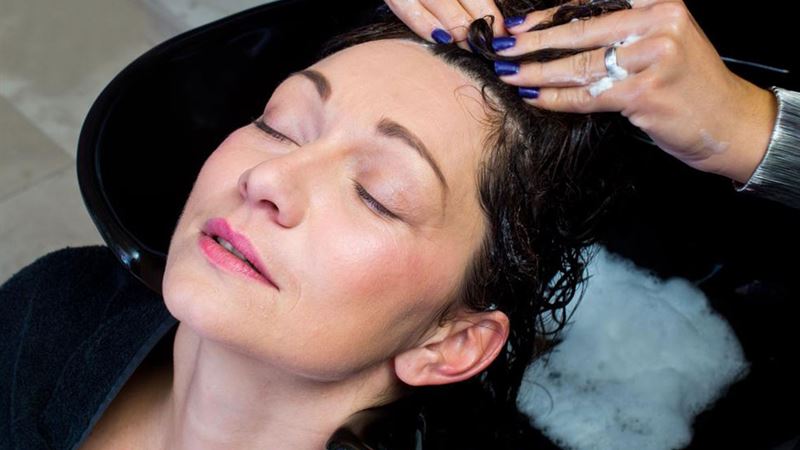
Dealing with seborrheic dermatitis requires a strategic approach, especially when it comes to choosing the right shampoo. Whether you’re battling mild dandruff or severe scalp irritation, understanding your options can make a significant difference in managing symptoms and improving scalp health. The most effective treatments often involve medicated shampoos that contain specific active ingredients designed to combat the underlying causes, such as fungal overgrowth or excess oil production.
Seborrheic dermatitis is a chronic skin condition characterized by red, flaky, and itchy patches on the scalp. It’s predominantly caused by an overgrowth of the Malassezia fungus, which triggers inflammation and scaling. While there’s no permanent cure, proper use of medicated shampoos can significantly control symptoms, reduce flare-ups, and improve quality of life. Switching between different formulations based on the severity and response can optimize results and prevent resistance.
The main ingredients in therapeutic shampoos include coal tar, zinc pyrithione, selenium sulfide, ketoconazole, and salicylic acid. Each has unique properties targeting various aspects of seborrheic dermatitis, such as antifungal activity, anti-inflammatory effects, and keratolytic functions. Its importance lies not only in selecting the right shampoo but also in adhering to a recommended routine, which often involves regular washing and alternating between different medicated formulations.
Understanding the Active Components in Medicated Shampoos
To effectively combat seborrheic dermatitis, it’s crucial to understand how different ingredients work:
- Zinc Pyrithione: An antifungal and antibacterial agent that inhibits the growth of yeast/fungi, notably Malassezia, thereby reducing inflammation and scaling. It offers rapid relief from itching and flakiness.
- Selenium Sulfide: Another potent antifungal that also helps slow down scalp cell turnover. It’s especially effective in severe cases but should be used cautiously due to safety concerns.
- Ketoconazole: A highly effective antifungal that minimizes fungal populations on the scalp, significantly reducing symptoms and promoting scalp health.
- Coal Tar: An old but reliable treatment that reduces skin cell proliferation and helps in controlling inflammation. It’s known for its distinctive smell but remains a staple in dandruff and seborrheic dermatitis treatment.
- Salicylic Acid: A keratolytic agent that helps remove excess dead skin cells and reduces scaling, especially useful for mild cases.
Having grasped the functionalities of these ingredients, let’s explore some popular shampoos that are trusted for seborrheic dermatitis treatment:
- Head & Shoulders with Pyrithione Zinc: Known for its accessibility and efficacy, this shampoo utilizes zinc pyrithione to target fungal growth. Users report immediate relief from scalp itchiness and visible decrease in flakes. It’s suitable for regular use to maintain scalp health and prevent flare-ups.
- Neutrogena T/Gel: This shampoo contains coal tar, a natural remedy with proven benefits for scalp conditions. While it has a stronger odor, it effectively slows skin cell reproduction, alleviates inflammation, and reduces scales. It’s especially recommended for long-term management of seborrheic dermatitis.
- Nizoral Anti-Dandruff Shampoo: Featuring ketoconazole as its key ingredient, Nizoral offers powerful antifungal action. It’s especially beneficial for persistent or severe cases and can also promote healthier hair growth, improving thickness and density over time. Usage should be limited to two or three times weekly due to its potency.
- Selsun Blue: Selenium sulfide in Selsun Blue provides a strong antifungal effect. The addition of menthol offers a cooling, soothing sensation. Despite some safety concerns regarding carcinogenicity, its efficacy in controlling dandruff makes it a popular choice for bi-weekly use.
- Neutrogena T/Sal: Ideal for mild to moderate dandruff, this shampoo features salicylic acid that effectively breaks down flaky skin and reduces buildup. Its gentle formula makes it suitable for sensitive skin, especially when combined with other medicated treatments.
- Jason Natural Dandruff Relief: Combining sulfur and salicylic acid, this shampoo fights fungal activity while removing dead skin. Its long-lasting results are comparable to pharmaceutical formulations, although its distinctive odor might be off-putting for some users.
While over-the-counter options can effectively manage mild seborrheic dermatitis, severe or persistent cases often require prescription shampoos. The active ingredients in these medicated formulations directly target the fungi, bacteria, and excess oil responsible for scalp irritation. Consistent use, as directed by a healthcare professional, can significantly diminish symptoms and help maintain scalp health in the long run.
It’s vital to understand that managing seborrheic dermatitis is an ongoing process. Regular shampooing with appropriate medicated products, combined with good scalp hygiene and avoiding irritants, is essential. If you experience worsening symptoms or no improvement with OTC remedies, consulting a dermatologist for personalized treatment options is advisable. Prescription shampoos may include higher concentrations of active ingredients or combinations tailored to your specific condition, ensuring optimal results.