
Comprehensive Guide to Understanding and Managing Skin Rashes
This comprehensive guide explores the causes, types, diagnosis, and treatment options for skin rashes. It emphasizes natural remedies like vinegar, topical medications such as hydrocortisone and clotrimazole, and preventive skincare tips. Essential advice for identifying and managing rashes to prevent complications and promote skin health is included, making it a valuable resource for anyone experiencing skin irritation or looking to understand skin conditions better.
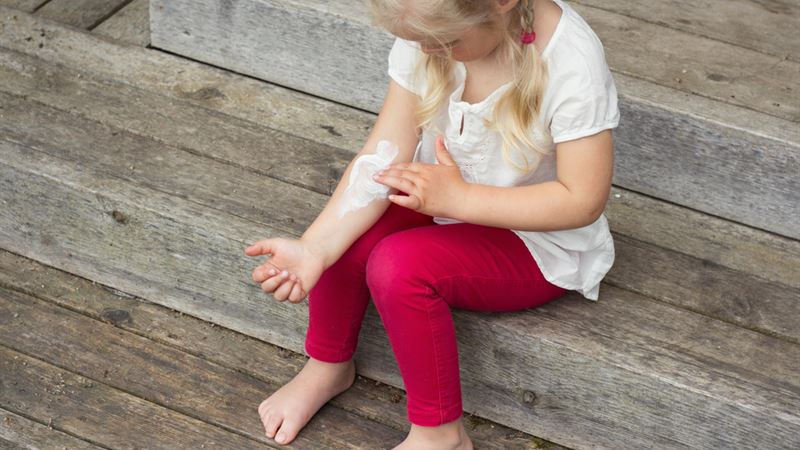
- Persistent itching and redness
- Presence of raised bumps or pustules
- Formation of blisters
- Dry, flaky patches on the skin
Skin rashes can manifest in various forms, often presenting as itchy, inflamed, or discolored patches. These symptoms may appear individually or in combination, creating a complex picture of skin health issues. Visual cues such as redness, bumps, blisters, or scaling can often help in identifying the type of rash, but accurate diagnosis is essential for effective treatment. Rashes can be particularly troublesome if left untreated, potentially leading to infections or chronic skin conditions.
Exploring the Different Types of Skin Rashes
- Skin rashes fall broadly into two categories: infectious and non-infectious. Each category has distinct causes and treatment approaches, which can be distinguished by clinical presentation and diagnostic tests.
Diagnosis of Skin Rashes by Healthcare Experts
- A rash is essentially an inflammatory response of the skin, and dermatologists utilize a range of criteria and visual cues to differentiate among types of rashes. Many dermatology resources provide detailed images that aid in identification.
- The initial step involves observing the primary features—such as shape, pattern, and distribution—like serpiginous, linear, ring-shaped, or circular rashes. These features help narrow down potential causes.
- Observing specific signs such as scabbing, peeling, ulcerations, or blistering assists in forming a differential diagnosis, guiding further testing.
- Clinical examination is crucial; documented images serve as helpful references, but definitive diagnosis often requires laboratory tests or skin biopsies.
- Depending on the suspected cause, healthcare providers may conduct blood tests, skin scrapings, cultures, or allergy testing to pinpoint the underlying reason for the rash.
Role of Natural Remedies Like White Vinegar in Rash Treatment
- White vinegar is widely regarded as a simple and effective home remedy for soothing certain types of skin rashes, especially those related to diaper dermatitis or minor irritations.
- To use, mix one part vinegar with eight parts water, then gently apply to the affected area using a clean cloth or cotton pad. This solution can help reduce inflammation and prevent bacterial growth.
- Consistent hygiene practices, such as changing diapers frequently and keeping skin dry, amplify the benefits of this remedy.
Using Hydrocortisone Cream for Infant Rashes
- Hydrocortisone cream is a topical corticosteroid available over the counter that alleviates inflammation and itching caused by minor skin irritations in babies.
- Application of this cream often provides quick relief from rash symptoms. Visual resources can help compare before and after treatment images for better understanding.
- This medication is suitable for uncomplicated rashes caused by irritation but should be used under medical supervision to avoid potential side effects.
Clotrimazole Cream as an Antifungal Solution
- Clotrimazole is an antifungal cream used to treat skin rashes caused by fungal infections like ringworm and athlete's foot.
- Applying this topical medication can effectively eliminate fungal pathogens, promoting faster healing of affected skin areas.
Petroleum Jelly for Skin Barrier Protection
- Petroleum jelly forms a protective barrier over the skin, helping prevent irritants from worsening existing rashes or causing new ones.
- It also aids in moisturizing dry skin, accelerating healing, and providing comfort to irritated skin.
Antihistamines for Allergic Reactions
- Antihistamines are medications used to mitigate allergic skin rashes, but they should only be taken under a healthcare provider's advice.
- If an allergic reaction causes a rash, medical supervision ensures appropriate dosing and addresses underlying allergies effectively.