
Comprehensive Guide to 10 Common Types of Skin Rashes and Their Causes
This comprehensive article explores ten common skin rashes, detailing their causes, symptoms, and treatments. From allergic reactions and heat rash to fungal, bacterial, and viral infections like chickenpox and hand-foot-mouth disease, it offers valuable insights for effective skin health management. Understanding these conditions can help you identify skin issues early and seek proper medical care, leading to better outcomes and healthier skin. The guide emphasizes the importance of hygiene, early intervention, and consulting professionals for persistent problems.
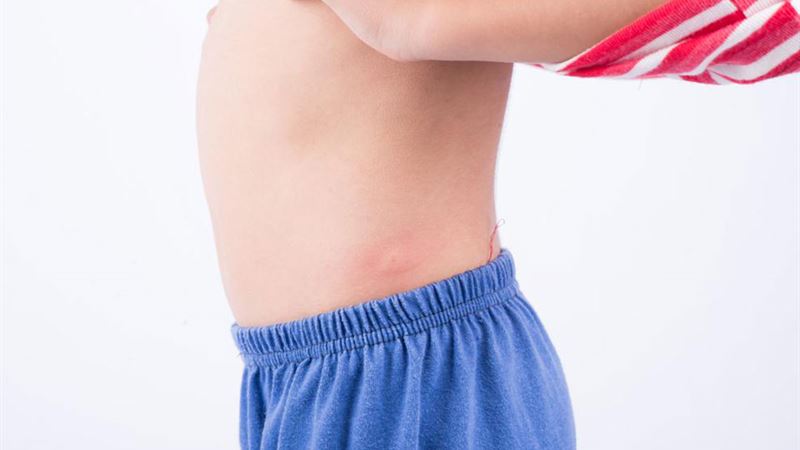
1. Allergic Reactions to Medications
One of the most common causes of sudden skin rashes is an allergic response to medications. These rashes often manifest quickly after taking a new drug or medication. They usually appear as hives — raised, itchy, red bumps that can fluctuate in size and shape. Sometimes, medication allergies cause blistering or bumps on the skin, resembling severe allergic dermatitis. Recognition of this rash type is crucial because it may require urgent medical intervention, including stopping the medication and administering antihistamines or steroids to control the allergic response.
2. Heat-Induced Rashes (Prickly Heat or Miliaria)
Heat rash, also known as prickly heat, occurs when sweat glands become blocked, trapping sweat beneath the skin. This condition typically happens in hot, humid environments or during vigorous physical activity. The rash presents as tiny, red or pink spots scattered across the affected area, commonly on the neck, back, chest, or thighs. In severe cases, it can cause discomfort, skin irritation, and a prickling sensation. Preventive measures include staying in cool environments, wearing loose clothing, and maintaining good hygiene to reduce sweat build-up.
3. Fungal Infections Causing Rashes
Fungal skin infections, often called yeast infections, are caused by an overgrowth of fungi such as Candida or dermatophytes. These infections can appear as red, scaly patches that may be itchy or burning. They frequently occur in warm, moist areas like the groin, underarms, or between toes. Common conditions include athlete’s foot, ringworm, and candidiasis. Effective treatment generally involves antifungal medications, topical or oral, depending on the severity.
4. Bacterial Skin Infections and Their Manifestations
Bacterial infections of the skin, such as cellulitis or impetigo, cause painful, inflamed rashes that can spread quickly if untreated. Cellulitis presents with redness, warmth, swelling, and tenderness, often accompanied by fever. Impetigo causes honey-colored crusted sores, mainly around the nose and mouth. Proper diagnosis and prompt antibiotic treatment are essential to prevent complications and facilitate healing.
5. Parasite-Induced Rashes (Scabies and Others)
Scabies is a contagious skin infestation caused by the human itch mite. It leads to intensely itchy rashes characterized by tiny blisters, pustules, and rash lines often found in web spaces of fingers, wrists, and armpits. Other parasitic conditions like bed bug bites or tick infestations can also cause similar skin reactions. Treatment involves topical antiparasitic medications, and hygiene measures are vital to prevent recurrence.
6. Tinea (Ringworm and Related Fungal Conditions)
Tinea is a common fungal infection caused by a group of fungi called dermatophytes. It often appears as ring-shaped, scaly patches with clear centers, resembling a ringworm — hence the name. Tinea can affect various areas such as the scalp, body (tinea corporis), groin (tinea cruris), or feet (tinea pedis). Proper hygiene, antifungal creams, and sometimes oral medications are necessary to eradicate the infection and prevent spread.
7. Viral Rashes – Chickenpox and Its Features
Chickenpox is a contagious viral infection characterized by red, itchy blisters that start on the body and face, often spreading rapidly. It is most common in children but can affect adults as well. The rash evolves through different stages—red spots, blisters, and scabs—and is usually accompanied by fever, fatigue, and malaise. Vaccination significantly reduces risk, and antiviral medications can help lessen severity if administered early.
8. Hand, Foot, and Mouth Disease
This highly contagious viral illness primarily affects children. It presents with ulcers and rashes on the hands, feet, and inside the mouth. The lesions are often painful, causing discomfort and difficulty eating or drinking. Fever, sore throat, and irritability are common accompanying symptoms. Good hygiene, valve hygiene practices, and supportive care are key to managing this disease. It usually resolves on its own within a week or two.
9. Contact Dermatitis
Contact dermatitis results from direct contact with irritants or allergens like soaps, chemicals, or certain fabrics. The rash appears as red, inflamed, itchy patches that may blister or peel. Identifying and avoiding the triggering substances is essential. Treatment involves topical steroids, moisturizers, and antihistamines to reduce inflammation and itching.
10. Autoimmune-Related Rashes
Autoimmune disorders such as lupus or psoriasis can cause chronic skin rashes. These rashes might be scaly, red, or purple and can appear on various parts of the body. Managing these conditions involves a combination of medications that suppress the immune response, along with skin-specific treatments to reduce flare-ups and improve skin health.
Through understanding these common skin rashes, their causes, and treatments, individuals can better manage their skin health. If you experience persistent or severe skin reactions, consult a healthcare professional for accurate diagnosis and personalized care. Proper hygiene, prompt attention to skin changes, and appropriate medical interventions can help restore healthy skin and prevent complications.