
Comprehensive Guide to Buying a Used Chrysler Crossfire: What You Need to Know
Discover everything about buying a used Chrysler Crossfire, from model year differences to common issues and maintenance tips. Learn how to identify reliable vehicles, understand potential problems like crank sensor faults, and find the best models from 2004 to 2008. This comprehensive guide helps you make informed decisions, ensuring you get a sporty, stylish car that offers great value and driving enjoyment. Perfect for enthusiasts and buyers seeking a unique, performance-oriented vehicle with a rich history.
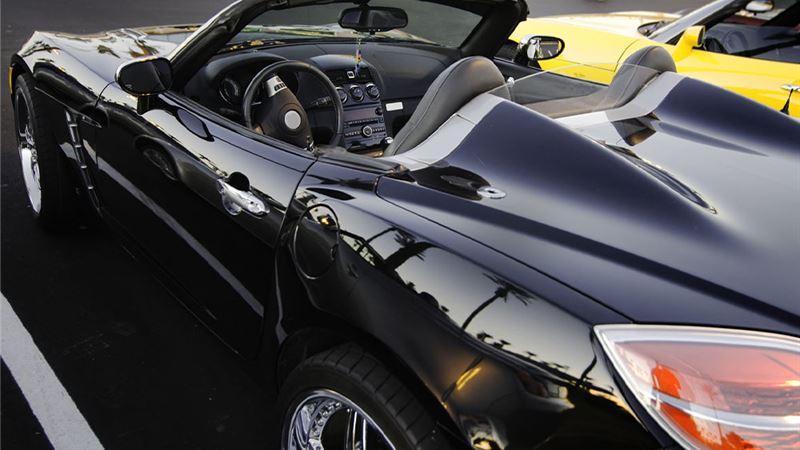
- The Chrysler Crossfire stands out as a distinctive sports car with a brief yet memorable production run from 2004 to 2008. If you're considering a used model, understanding its evolution over the years and common issues can help you make an informed purchase. This comprehensive guide delves deep into each model year, highlighting key features, changes, and potential problems to watch out for.
The Crossfire was introduced as a stylish, performance-oriented vehicle aimed at enthusiasts seeking a blend of sporty aesthetics and road-ready performance. Despite its relatively short lifespan, it built a loyal following thanks to its striking design and driving dynamics. Over five model years, the Crossfire underwent several updates, mostly minor, but each with notable traits worth noting when shopping for a used version.
Let's explore each model year individually to understand what differentiates one from another, along with insights into potential maintenance issues and what features to prioritize during a pre-purchase inspection.
2004 Chrysler Crossfire: The debut year
The 2004 model marked the debut of the Crossfire as a luxury sport coupe. Initially, customers could only purchase the Limited Coupe configuration, which offered a range of upscale features. Interestingly, no base model or alternative body styles were available upon initial release, making it a relatively exclusive choice for early adopters.
The 2004 Crossfire was powered by a 3.2-liter V6 engine delivering approximately 215 horsepower, paired with a six-speed manual or five-speed automatic transmission. It featured a low-slung stance, aggressive styling cues, and responsive handling, all promising a fun-to-drive experience. Standard features included leather upholstery, power accessories, premium audio, and a robust safety package.
However, early models were not without problems. Common issues included defective crank sensors, which could lead to engine stalling or failure to start. The cup holders were fragile and susceptible to damage, and some models experienced problems with the crankshaft position sensor, which could cause drivability issues. Buyers of 2004 Crossfires should have these areas carefully checked during inspection.
The 2004 model saw the highest sales volume in the Crossfire's brief history, signaling strong initial market reception despite the reported technical issues. Timely repairs and maintenance history are crucial indicators of a vehicle's reliability if you're considering a 2004 model.
2005 Chrysler Crossfire: Introducing new options and variants
The 2005 model year brought significant enhancements to the Crossfire lineup, making it a compelling choice for enthusiasts and daily drivers alike. Most notably, this year introduced the roadster version, allowing open-air driving with a soft-top convertible. The addition of the roadster expanded the vehicle's versatility, appealing to those seeking both style and open-road adventure.
The 2005 lineup also included a high-performance SRT-6 trim, which was available in both coupe and roadster variants. The SRT-6 featured a turbocharged 3.2-liter V6 engine producing around 330 horsepower, representing a substantial power increase over standard models. This trim was equipped with sport-tuned suspension, larger brakes, and unique styling cues.
Standard features remained similar to the 2004 model, but this year also introduced a new base model with slightly fewer amenities to offer a more affordable entry point. This move aimed to broaden appeal to a wider pool of buyers. The 2005 models addressed some of the earlier technical problems, mainly by refining the electrical systems and sensor circuitry.
For used vehicle buyers, the 2005 model is appealing because it blends enhanced features with updated technology. However, potential issues such as engine management sensor faults, relay control module malfunctions (RCM), and water damage to the vacuum pump should be monitored during inspections.
Overall, 2005 was a foundational year for the Crossfire, and many units from this year still offer excellent performance with proper maintenance. As the SRT-6 is quite sought after, buyers should verify its history and condition if considering this high-performance variant.
2006 Chrysler Crossfire: Minor updates with declining sales
The 2006 version of the Crossfire was largely unchanged from the previous year, with minimal updates or revisions. Both coupe and roadster variants remained available, and the lineup continued to include base and limited trims. Nonetheless, the model's popularity was waning, with sales dropping by approximately 50% compared to previous years. Fewer models were produced, reflecting a slowdown in market interest or shifting consumer preferences.
During this year, Chrysler focused less on updating the Crossfire, instead maintaining its existing features and specifications. The 2006 models retained the turbocharged V6 engine options for high-performance variants but did not introduce any substantial upgrades or new features. As a result, used 2006 models are often viewed as reliable but lacking modern refinement or additional tech amenities.
Potential buyers should be aware that, over time, certain mechanical components such as the suspension, brakes, and electrical wiring may require attention due to age and usage. Still, the lack of major revisions means that 2006 Crossfires are generally durable if properly maintained.
2007 Chrysler Crossfire: The final year’s characteristics
The 2007 model largely mirrored the 2006 version, with no significant changes implemented. The absence of updates indicated Chrysler's lack of intent to keep the model alive beyond this year. The SRT-6 high-performance variant was no longer available, which means enthusiasts seeking that specific trim would have to look for earlier models, especially 2005 or 2006 versions.
Production of the Crossfire was winding down, with only a limited number of vehicles remaining on dealer lots. Buyers should expect to see models with higher mileage and possibly some wear-related issues, so a thorough inspection is highly recommended including checking the suspension, engine, transmission, and electrical system.
Because no further updates were made, any used 2007 Crossfire should be evaluated with care, focusing on wear and tear. The absence of modern conveniences such as advanced infotainment or driver-assist features should be considered if comparing to newer models or alternative sports cars in the same class.
2008 Chrysler Crossfire: The last model and discontinuation
The 2008 model year marked the end of the Crossfire's production run. Chrysler decided to discontinue the model due to shifting market dynamics and internal strategic shifts. Interestingly, the 2008 vehicles were only sold in the Limited trim, with no base options, and very few units remaining on dealer lots at the time of production cessation.
This final edition retained the performance and aesthetic qualities of its predecessors but lacked any significant technological upgrades or new features. The 2008 models are now considered collector's items due to their limited production and status as the last of the line.
Since production stopped in 2008, used vehicles from this year are often found with higher mileage, and many may have experienced deferred maintenance. Potential buyers should meticulously verify service records and inspect critical components such as the engine, transmission, suspension, and electronics.
The rarity of 2008 Crossfires can make them attractive for collectors, but they also require careful assessment to ensure reliability and enjoyment. If you find a well-maintained example, it can serve as a unique addition to a sports car collection.
Essential Tips for Buying a Used Chrysler Crossfire
Investing in a used Chrysler Crossfire can be rewarding, but it requires vigilance. Several common issues are known to affect these vehicles, and understanding what to look for can save you money and headaches later on. Here are some critical points to consider during your purchase:
- Pre-purchase inspection (PPI): Always have a trusted mechanic examine the vehicle thoroughly before buying. External appearances can be deceptive; a professional inspection uncovers hidden problems.
- Crankshaft sensor accountabilities: Particularly in 2004 models, faulty crank sensors can lead to engine stalling or starting difficulties. Replacing these sensors proactively can prevent costly repairs down the line.
- Electrical system and relay modules: The relay control module (RCM) can fail, causing starting issues or electrical faults. Ensure these components are tested and in good condition.
- Vacuum pump and locking system: The central locking system’s vacuum pump, located in the trunk, can be compromised by water leaks, affecting door locking and unlocking functions. Verify its operation.
- Rear spoiler motor: The rear spoiler, especially on base and limited trims, may have issues with the motor or internal switches. Test the spoiler's movement and listen for abnormal noises.
- Dealer and maintenance history: Since finding a qualified dealer for Crossfire-specific upkeep can be challenging, seek out reputable independent shops experienced with these models for ongoing maintenance.
In addition, inspecting for rust, worn tires, brake condition, and suspension integrity is essential. Consider the overall wear and tear, especially if the vehicle has high mileage or extensive ownership history.
Buying a used Chrysler Crossfire demands patience and thorough research, but securing a well-maintained example can provide exceptional driving pleasure and aesthetic appeal for years to come.
Whether you’re a collector or a daily driver enthusiast, understanding the nuances of each model year and known issues gives you a substantial advantage. With careful inspection and proper maintenance, a used Chrysler Crossfire can be a rewarding investment, delivering sporty performance and stylish looks that stand the test of time.