
Essential Checklist Before Purchasing a Used Truck Tractor
Learn comprehensive tips for inspecting a used truck tractor before purchase. This guide covers cabin condition, engine health, brake system, maintenance history, and the importance of professional inspection, ensuring you invest wisely in a reliable vehicle that offers long-term value and safety.
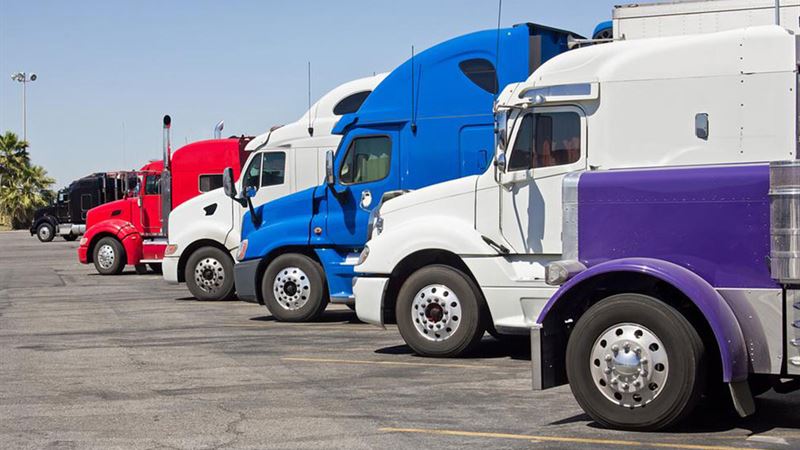
Cab Inspection: When considering the purchase of a second-hand truck tractor, examining the cab thoroughly is crucial. Spend time inside the cabin and assess the condition of the interior surfaces, seats, dashboard, and controls. Look for signs of excessive wear, tears, or damage that might indicate neglect or high usage. Verify the odometer reading and compare it with the overall condition to gauge accuracy. Check the vehicle’s service history for any recent repairs or upgrades. Ideally, the mileage should align with the tractor’s age and usage pattern. Determine if the tractor is approaching an overhaul; planning such repairs post-purchase can extend its lifespan and ensure reliable operation. Confirm that all gauges, lights, and electronic systems are functional and in good condition.
Engine Condition: The engine is often the heart of the truck tractor, and a detailed inspection is vital. Start the engine and listen for unusual noises like knocking, rattling, or irregular idling. Look for leaks around the engine block, oil pan, or hoses, which may indicate internal wear or gasket issues. Check the oil level and color; dirty or low oil could signify poor maintenance. Observe the exhaust emissions; smoke should be minimal or clear when the engine is running. Excess smoke or black fumes may point to incomplete combustion or worn components. Confirm that the engine meets current emission standards by inspecting the certification label and specifications. A well-maintained engine with good compression and recent service records promises longer service life and fewer unexpected repairs.
Brake System Examination: Safety is paramount, and thus, inspecting the braking system is essential. Focus on the brake pads’ thickness; worn pads require replacement soon, but this is an affordable repair that adds value to your investment. Check for uneven brake pad wear, which could signal misalignment or caliper issues. Test the brake response in various driving conditions to ensure proper functionality. Examine the brake rotors and drums for signs of scoring, warping, or corrosion. A reputable source often provides guidance on how to assess brake pad life accurately. Replacing worn brake pads will enhance safety and vehicle performance, making it a wise investment before use.
Maintenance and Service Records: Reviewing the maintenance logs offers insights into the tractor’s history and upkeep. Ensure that routine services such as oil changes, filter replacements, and fluid checks have been performed regularly. Look for records of major repairs, engine overhauls, or component replacements, which reflect proactive maintenance practices. Consistent service history typically correlates with reliable vehicle performance and longevity. If possible, verify the authenticity of the records and consult with a mechanic to interpret their significance. A truck with comprehensive maintenance documentation is generally a safer choice, providing peace of mind and reducing unexpected repair costs in the future.
Professional Inspection: To safeguard your investment, it is highly recommended to bring a qualified mechanic along when inspecting a used truck tractor. A seasoned professional will conduct a thorough examination of all critical components, including the drive train, suspension, tires, electrical systems, and body condition. Their expertise helps identify potential problems that might not be obvious to an untrained eye. A mechanic can also provide an unbiased opinion regarding the tractor’s overall condition, whether the asking price is justified, and any immediate repairs needed. This extra step ensures you make an informed decision and select a used truck tractor that truly offers value for money.
In summary, purchasing a second-hand truck tractor requires careful inspection across several key areas. From interior comfort to engine health, braking systems, and maintenance history, each aspect plays a significant role in determining the vehicle's value and reliability. Conducting thorough checks with the assistance of a professional mechanic can save you from future headaches and expenses, allowing you to acquire a durable, efficient, and safe truck tractor suited to your operational needs.