
Understanding Menopause Hot Flashes: What You Need to Know
This comprehensive guide explores menopause hot flashes, their causes, triggers, and effective management options. It covers hormone therapy, natural remedies, lifestyle changes, and diet tips, offering women practical strategies to alleviate symptoms. Understanding hot flashes and adopting a personalized approach can significantly improve comfort and quality of life during menopause. Consult your healthcare provider for tailored advice for your menopause journey.
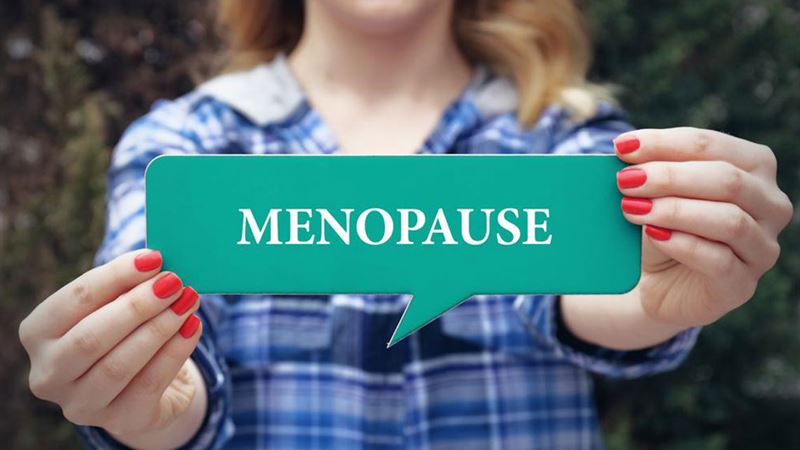
Experience sudden waves of heat and intense sweating during menopause? These are known as hot flashes, a common symptom faced by many women transitioning through menopause. While the precise cause remains a topic of research, hormonal fluctuations, particularly decreases in estrogen levels, are believed to play a significant role. Hot flashes can significantly affect daily life, causing discomfort, sleep disturbances, and emotional stress. Recognizing what triggers these episodes and exploring effective management options can help women navigate menopause more comfortably and maintain their quality of life.
Menopause hot flashes typically present as intense sensations of warmth that spread over the upper body, often accompanied by sweating, redness, and sometimes chills afterward. They can last from a few seconds to several minutes. The frequency varies widely, with some women experiencing occasional episodes and others facing daily or even multiple episodes per day. The unpredictability and severity of hot flashes make them one of the most challenging symptoms associated with menopause.
The root cause of hot flashes is not entirely understood, but it is believed that hormonal shifts, particularly the decline in estrogen, influence the body's temperature regulation centered in the hypothalamus. Imbalances in hormones may disrupt the body's ability to maintain a stable core temperature, leading to sudden overheating sensations and vasodilation—the widening of surface blood vessels—that results in sweating and redness. Some theories also suggest that neurotransmitters like serotonin and norepinephrine may be involved in these temperature control irregularities.
Many women are unprepared for the intensity of hot flashes or the disruption they can cause in everyday routines. Nighttime hot flashes, or night sweats, are particularly troublesome, often leading to sleep deprivation, fatigue, and mood disturbances. Furthermore, some women experience a rapid heartbeat or feelings of anxiety during a hot flash, compounding their discomfort. Understanding these symptoms and their variability helps in developing personalized management strategies to improve daily life and overall well-being.
Recognizing Triggers for Hot Flashes
Identifying triggers is crucial in managing hot flashes effectively. While triggers can differ among women, certain common factors consistently influence the frequency and intensity of episodes. Keeping a detailed diary to record hot flashes and their possible triggers can provide valuable insights and aid in developing proactive strategies.
- Caffeine Consumption
- Alcohol Intake
- Smoking
- Spicy Foods
- Tight or Non-Breathable Clothing
- Stress and Anxiety
- High Room Temperatures
By monitoring these triggers, women can take practical steps to minimize exposure and reduce the occurrence of hot flashes. For instance, limiting caffeine and alcohol intake, choosing breathable clothing, managing stress through relaxation techniques, and maintaining a cool environment can make a significant difference.
Managing Menopause Hot Flashes: Effective Strategies
When hot flashes interfere with daily life, numerous remedies and lifestyle modifications are available. These approaches range from medical treatments to natural therapies, aiming to alleviate symptoms and restore comfort.
Hormone Replacement Therapy (HRT)
HRT remains one of the most effective treatments for severe hot flashes. It involves administering small doses of estrogen, sometimes combined with progesterone, to compensate for hormonal deficiencies. Estrogen helps regulate body temperature and reduce vasomotor symptoms. However, HRT is not suitable for everyone, especially women with specific health risks. Consulting a healthcare professional to weigh the benefits and potential risks is essential before embarking on hormone therapy.
Non-Hormonal Medications: Antidepressants
Selective serotonin reuptake inhibitors (SSRIs) and other antidepressants can help diminish hot flashes by affecting neurotransmitter activity involved in temperature regulation. These medications are often prescribed when HRT is contraindicated or unwanted. While effective for some, side effects like nausea, dizziness, or weight changes may occur, so close medical supervision is necessary.
Alternative and Complementary Therapies
Many women turn to natural or complementary methods to ease hot flashes. Although scientific evidence varies, anecdotal reports suggest potential benefits.
- Acupuncture: Though concrete scientific studies are limited, some women report fewer hot flashes after acupuncture sessions, possibly due to stress reduction and nervous system regulation.
- Meditation and Mindfulness: These practices help manage stress, a known trigger for hot flashes, and promote relaxation, which may decrease symptom severity.
- Cognitive Behavioral Therapy (CBT): Using structured talk therapy, CBT can help women develop coping strategies, improve sleep, and reduce anxiety related to menopause symptoms.
Nutritional Supplements for Hot Flashes
Supplementation with specific natural compounds may assist in managing hot flashes without adverse effects.
- Phytoestrogens (Soy and Legume Products): Soy contains plant-based chemicals called phytoestrogens that mimic estrogen's effects, potentially easing vasomotor symptoms. Including soy milk, tofu, tempeh, and soybeans in your diet could be beneficial.
- Black Cohosh: An herbal supplement that binds to estrogen receptors, black cohosh has been used traditionally for menopause symptoms. Consult your healthcare provider before use due to occasional reports of side effects.
- Vitamin E: Evidence suggests that vitamin E can slightly reduce hot flash frequency and severity, making it a popular natural supplement.
Lifestyle Adjustments for Symptom Relief
In addition to medical treatments, practical lifestyle modifications can help lessen hot flash discomfort.
- Stay Cool: Wear loose, lightweight clothing made of natural fabrics like cotton. Use fans or air conditioning to maintain a cool environment. During a hot flash, sipping ice chips can provide quick relief.
- Quit Smoking: Smoking worsens hot flashes and increases risks of cardiovascular disease and certain cancers. Quitting can significantly diminish symptoms and improve overall health.
- Improve Dietary Habits: Limiting spicy food, processed snacks, caffeine, and alcohol can decrease hot flash episodes. Focus on a balanced diet rich in fruits, vegetables, lean proteins, and whole grains.
- Maintain a Healthy Weight: Excess weight can intensify hot flashes. Achieving and maintaining a healthy weight through diet and regular exercise may reduce symptom severity.
In summary, menopausal hot flashes are a widespread but manageable symptom. Recognizing triggers and adopting a combination of medical, natural, and lifestyle strategies can help women navigate menopause with greater ease. Consulting healthcare professionals for personalized plans is recommended to ensure safety and effectiveness. Embracing a holistic approach can significantly improve quality of life during this transition period.