
Comprehensive Guide to Non-Statin Approaches for Managing Cholesterol Levels
Explore comprehensive non-statin options for cholesterol management, including medications, natural remedies, diet, and lifestyle tips. Find out how to control cholesterol safely and effectively without side effects, through personalized treatment plans and innovative therapies. Perfect for those looking for alternatives to traditional statin medications, this detailed guide empowers you to make informed health choices and protect your heart health in a natural, sustainable way.
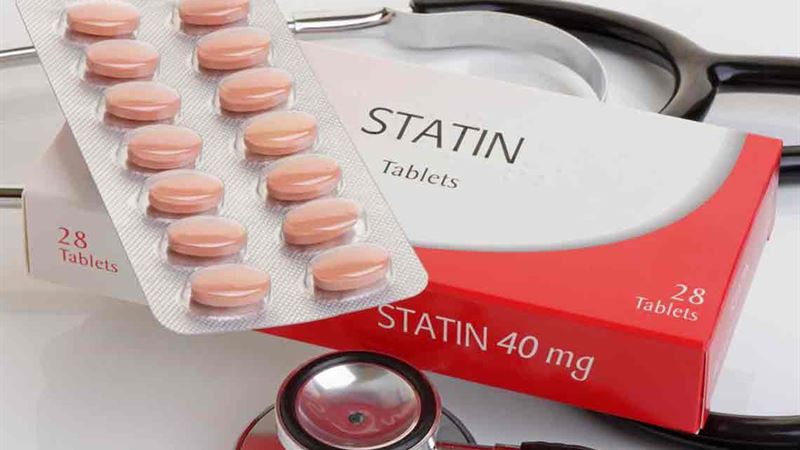
High cholesterol remains a significant concern for many individuals seeking to maintain cardiovascular health. While statin medications have long been the cornerstone of cholesterol management, they are not suitable for everyone due to potential side effects and interactions. Fortunately, a variety of alternative strategies—ranging from natural dietary choices to innovative pharmacological solutions—can effectively help control cholesterol and protect heart health. This extensive guide explores the best non-statin options available today, including prescription medications, natural remedies, lifestyle modifications, and dietary plans, providing you with valuable insights to make informed health decisions.
Understanding the Limitations of Statin Therapy
Statin drugs, such as atorvastatin and simvastatin, have been proven to significantly lower LDL cholesterol levels and reduce the risk of coronary artery disease. However, despite their effectiveness, statins may cause adverse effects, making some patients seek alternative or supplementary treatments. Common side effects include muscle pain, joint discomfort, fatigue, nausea, and in some cases, more serious impacts such as liver or kidney damage, neurological issues, and increased risk of diabetes. Furthermore, drug interactions can pose risks, especially when combined with other medications. For these reasons, exploring non-statin therapies becomes crucial for individuals who are intolerant to statins or wish to complement their existing treatment with natural and lifestyle-based approaches.
Pharmacological Alternatives to Statins
One of the primary pharmacological options outside of traditional statins is the class of drugs known as cholesterol absorption inhibitors. These medications work by reducing the intestine's ability to absorb dietary cholesterol, thus decreasing the amount that enters the bloodstream. The most commonly prescribed medication in this category is ezetimibe (brand name: Zetia). Ezetimibe can be used alone or in combination with statins to enhance cholesterol-lowering effects. When paired with statins, it often results in more significant reductions in LDL cholesterol, providing a powerful strategy for patients with elevated levels.
Another class of drugs that serve as effective alternatives or adjuncts includes bile acid sequestrants, such as cholestyramine, colesevelam, and colestipol. These agents bind to bile acids in the intestines, preventing their reabsorption and forcing the body to convert more cholesterol into bile acids, thereby lowering circulating cholesterol. Although effective, these drugs can sometimes cause gastrointestinal discomfort, vitamin deficiencies—particularly of fat-soluble vitamins like K—and issues with absorption of other medications. As a result, their long-term use requires careful monitoring and medical supervision.
For patients with high triglycerides, niacin (vitamin B3) is often prescribed. Niacin has the benefit of increasing HDL (good) cholesterol and lowering LDL (bad) cholesterol, along with reducing triglycerides. While generally well-tolerated at lower doses, higher doses can cause flushing, itching, liver toxicity, and gastrointestinal disturbances. As such, medical oversight is essential when using niacin therapy.
Innovative and Emerging Treatments
Recent advances in lipid management have introduced several promising agents that target LDL cholesterol through novel mechanisms. Fibrates, such as fenofibrate (brand names: Antara, Lofibra, Fenoglide, Lipofen), are primarily used to lower triglyceride levels but also have favorable effects on HDL cholesterol. These drugs activate peroxisome proliferator-activated receptors (PPARs), leading to improved lipid profiles. Alongside fibrates, omega-3 fatty acids derived from fatty fish—like salmon, mackerel, and sardines—are recognized for their triglyceride-lowering properties and overall cardiovascular benefits. They are available as prescription supplements or over-the-counter oils.
Newer therapies involve PCSK9 inhibitors, such as evolocumab and alirocumab, which significantly reduce LDL cholesterol by enhancing LDL receptor activity in the liver. These injectable medications are especially beneficial for patients with familial hypercholesterolemia or those who do not achieve desired results with other drugs. Similarly, CETP inhibitors aim to increase HDL levels and lower LDL cholesterol, though their clinical use is still being evaluated.
Natural and Dietary Strategies for Cholesterol Control
Many individuals prefer to incorporate natural remedies and dietary modifications into their cholesterol management plan. Certain foods contain components that naturally reduce LDL cholesterol and promote heart health. Garlic, for example, has been shown to modestly lower cholesterol levels due to its sulfur compounds. Artichoke leaf extract is another natural remedy with cholesterol-lowering properties thanks to its ability to increase bile production and promote cholesterol excretion.
Dietary fiber is a cornerstone of natural cholesterol reduction. Foods rich in soluble fiber, such as oat bran, barley, and beta-sitosterol-enriched products, help intercept cholesterol in the gut and prevent its absorption. Psyllium husk, often found in fiber supplements, aids in lowering LDL. Incorporating these foods into daily meals can support a healthy lipid profile and complement pharmacological treatments.
Adopting a Heart-Healthy Lifestyle
Beyond medications and diet, lifestyle modifications play a vital role in controlling cholesterol levels and reducing cardiovascular risk. Regular physical activity, such as brisk walking, swimming, cycling, or jogging, boosts HDL cholesterol—the protective form—and helps lower LDL and triglycerides. For optimal benefits, a combination of aerobic exercises and resistance training is recommended, ideally performed at least 150 minutes per week.
Maintaining a healthy weight further improves cholesterol parameters and overall heart health. Quitting smoking is perhaps the most impactful lifestyle change, as tobacco use accounts for an estimated 20% of heart-related deaths. Smoking cessation reduces arterial damage, improves HDL levels, and enhances the effectiveness of other cholesterol-lowering strategies.
In addition to exercise and smoking cessation, managing stress, limiting alcohol consumption, and ensuring adequate sleep are critical components of a holistic approach to cardiovascular wellness.
Supplementing with Vitamins and Nutrients
Some natural supplements have been studied for their potential to improve lipid profiles. High-potency multivitamin and mineral supplements provide essential nutrients that support heart health. B-complex vitamins, specifically, can reduce homocysteine levels—a toxic amino acid associated with increased cardiovascular risk. Antioxidants like vitamine C, E, selenium, and beta-carotene help protect arterial walls from oxidative damage caused by free radicals.
Personalized Treatment and Medical Supervision
While lifestyle and dietary changes are beneficial, the choice of cholesterol-lowering strategies should always be tailored to individual health profiles. Factors such as family history, existing health conditions, current medications, and specific lipid levels influence the most suitable approach. Patients should never discontinue prescribed medications without consulting their healthcare provider, as abrupt cessation can lead to adverse health outcomes. Regular monitoring of cholesterol levels and other relevant biomarkers ensures that treatment remains effective and safe.
In conclusion, managing high cholesterol requires a multifaceted approach that combines pharmacological alternatives, natural remedies, lifestyle modifications, and ongoing medical guidance. By exploring these diverse options, individuals can achieve healthier cholesterol levels while minimizing risk and maintaining overall well-being.