
Comprehensive Dietary Guidelines for Managing Schizophrenia: What to Incorporate and What to Avoid
Discover effective dietary strategies for managing schizophrenia by understanding which foods to include or avoid. This comprehensive guide highlights the benefits of fiber-rich vegetables, omega-3 fatty acids, zinc, and vitamin B12, as well as foods to limit like gluten and refined sugars. Implementing these nutritional principles can support mental health, reduce symptoms, and enhance overall well-being. Consult healthcare providers before making dietary changes to ensure they complement your treatment plan and suit your individual health needs.
Understanding the Role of Nutrition in Schizophrenia Management
Schizophrenia is a complex mental health disorder that poses significant challenges to individuals worldwide. While medication and therapy are primary treatment options, emerging research highlights the vital role of nutrition in alleviating symptoms and improving overall quality of life. Proper dietary choices can influence brain health, reduce inflammation, and support neurological function, offering a complementary approach to traditional treatment. This extensive guide delves into which foods may benefit those with schizophrenia and which ones should be limited or avoided. By adopting a balanced diet rich in specific nutrients, individuals can potentially manage symptoms more effectively and promote better mental health.
Beneficial Foods for Schizophrenia Patients
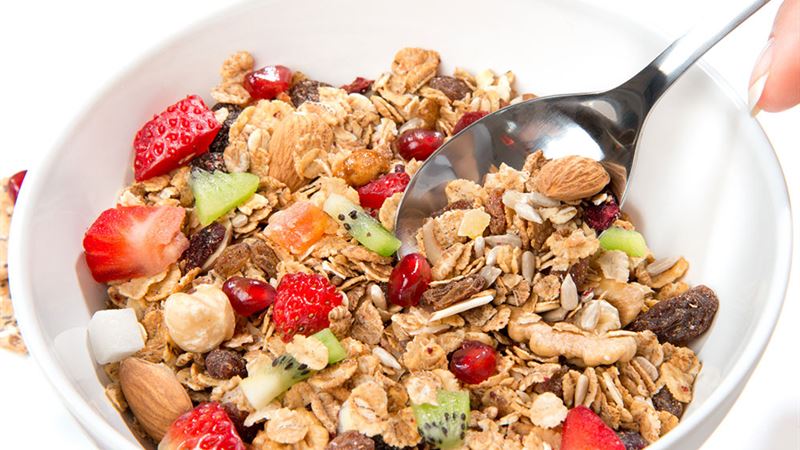
High-Fiber Vegetables and Their Impact
Fiber is an essential component of a healthy diet, not only supporting digestive health but also playing a role in reducing the risk of obesity, type 2 diabetes, and cardiovascular disease—all of which are common concerns among individuals with schizophrenia. Vegetables such as spinach, sweet potatoes, zucchini, and legumes like kidney beans and lima beans are packed with fiber, low in calories, and rich in vital nutrients. Spinach, in particular, stands out due to its high folate content, which has been linked to the mitigation of schizophrenia symptoms. Consuming leafy greens such as spinach, asparagus, and black-eyed peas can provide beneficial folate levels necessary for optimal brain function and mood stabilization.
Omega-3 Fatty Acids from Fatty Fish
Omega-3 fatty acids are crucial for brain health, with numerous studies indicating their ability to ease and even prevent certain schizophrenia symptoms. Since the human body cannot produce omega-3s, they must be obtained through diet. Fatty fish like salmon, mackerel, sardines, and trout are excellent sources. Regular inclusion of these fish in meals can help reduce inflammation, support neural communication, and potentially slow disease progression. Vegetarians and vegans can consider foods such as walnuts, flaxseeds, chia seeds, and omega-3 supplements, but consultation with a healthcare professional is recommended before starting any supplementation.
Seafood Rich in Zinc: Crab and Oysters
Research suggests a possible link between zinc deficiency and schizophrenia, emphasizing the importance of zinc-rich foods. Oysters, crab, and lobsters are some of the best dietary sources of zinc, an essential mineral involved in neurotransmitter function and immune response. Including these seafood items in your diet may help correct zinc deficiencies and support mental health. For those unable to consume seafood, fortified cereals and lean meats like beef also provide significant zinc levels.
Vitamin B12: Clams and Beyond
Vitamin B12 plays a vital role in brain health, and low levels have been associated with psychosis and schizophrenia. Clams are among the richest natural sources of B12, along with trout, liver, and fortified foods. Maintaining adequate B12 levels can aid cognitive function and mood regulation. Vegetarians should consult healthcare providers about B12 supplementation to prevent deficiencies that might exacerbate psychiatric symptoms.
Additional Nutrients to Consider
- Folate: Critical for neural development and function; found in spinach, asparagus, and beans.
- Selenium: An antioxidant that combats oxidative stress; sources include Brazil nuts and seafood.
- Magnesium: Supports nervous system health; present in nuts, seeds, and leafy greens.
Foods to Limit or Avoid for Better Mental Health
Gluten-Rich Foods
Emerging evidence suggests that gluten sensitivity might play a role in certain mental health conditions, including schizophrenia. Foods containing wheat, barley, and rye could potentially exacerbate symptoms in sensitive individuals. A gluten-free diet may benefit some patients by reducing inflammation and improving gut-brain axis health. Consultation with a healthcare professional is essential before making significant dietary changes.
Refined Sugars and Processed Foods
Foods high in refined sugars, such as candies, cakes, soda, and sweetened beverages, can lead to blood sugar swings, weight gain, and increased risk of type 2 diabetes—all of which may complicate schizophrenia management. Excessive sugar intake has also been linked to heightened inflammation and mood destabilization. Limiting processed foods, reducing sugar consumption, and choosing whole, unprocessed alternatives can help stabilize mood and improve overall health.
Additional Dietary Considerations
- Artificial Additives: Food additives and preservatives may negatively impact mental health; opt for natural products.
- Caffeine: Excessive caffeine can cause anxiety and sleep disturbances; moderate intake is advisable.
- Alcohol: Alcohol can interfere with medication effectiveness and worsen symptoms; consumption should be minimized or avoided.
Implementing a Supportive Diet for Schizophrenia
Creating a diet plan tailored to individual needs involves more than just choosing the right foods. It requires a comprehensive approach that includes regular meal timings, balanced nutrient intake, and coordination with healthcare providers. Dietary improvements should be complemented with other lifestyle modifications such as physical activity, stress management, and proper sleep hygiene. Mindful eating practices can further enhance the effectiveness of nutritional strategies, empowering individuals to take active steps toward better mental health.
Summary
Incorporating nutrient-rich foods like leafy greens, fatty fish, seafood, and B12 sources while reducing intake of processed sugars, gluten, and additives can significantly impact the management of schizophrenia. While dietary changes are not a substitute for medical treatment, they serve as a vital component of a holistic care plan, promoting neurological health and mitigating symptoms. Always consult with healthcare professionals before making major dietary modifications to ensure they align with individual health conditions and treatment plans.