
Comprehensive Guide to Insulin Therapy for Diabetes Management
This comprehensive guide explores insulin therapy for diabetes, covering types of insulin, administration methods, and personalized treatment plans. Learn how insulin helps regulate blood glucose, the differences between various insulin types like rapid, long-acting, and premixed options, and how modern delivery methods such as pumps improve management. Understanding your options and collaborating with healthcare professionals can optimize control and enhance quality of life. This detailed overview offers valuable insights into effective diabetes management through insulin therapy, ensuring better health outcomes and reduced risks.
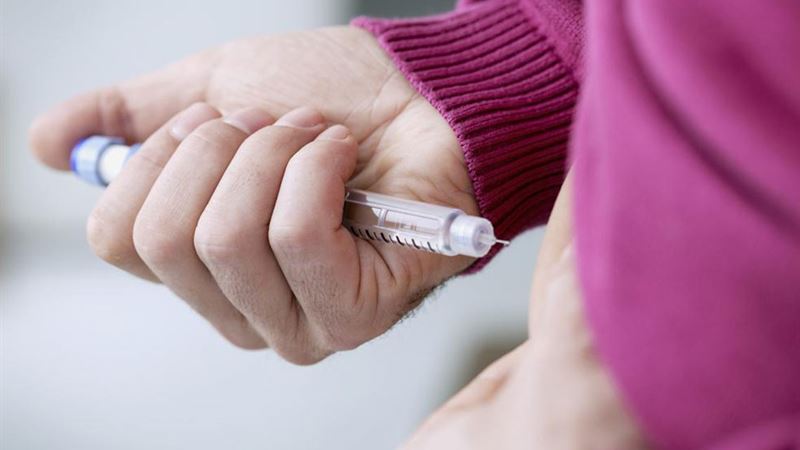
- Rapid-acting Insulin – designed to mimic the body's natural response to food intake, these insulins work within 15 minutes and last 3 to 5 hours. Examples include insulin aspart (NovoLog) and insulin glulisine (Apidra). They are commonly used around mealtimes to control postprandial glucose spikes.
- Short-acting Insulin – begins working within 30 to 60 minutes, with a duration of about 5 to 8 hours. Regular insulin (Novolin R) is a typical example, often administered before meals or as needed.
- Intermediate-acting Insulin – starts within 1 to 3 hours and can last between 12 and 16 hours. It helps provide basal insulin coverage throughout the day in conditions like NPH insulin (Novolin N).
- Long-acting Insulin – begins to work after approximately 60 minutes and can maintain effective levels for 20 to 26 hours. Insulin glargine (Lantus) and insulin detemir (Levemir) are common options, providing steady basal insulin levels to mimic natural secretion.
- Premixed Insulin – combines rapid or short-acting with intermediate-acting insulins to simplify regimens. These preparations are particularly convenient for patients seeking a single injection regimen that covers both basal and mealtime needs.
Choosing the right insulin therapy depends on individual needs, lifestyle, and medical advice. There are primarily two main schedules:
- Once-Daily Insulin – involves a single injection of long-acting or intermediate-acting insulin each day. This approach is typically suitable for people with type 2 diabetes who require basal insulin coverage.
- Twice-Daily Insulin – requires two injections daily of either short-acting and intermediate-acting insulin or a combination thereof. It is used for both type 1 and type 2 diabetes to better control blood sugar around meals and basal needs.
Insulin can be administered through various methods, including traditional injections using syringes or pens, infusion via intravenous routes under medical supervision, or more commonly through insulin pumps. Pumps are sophisticated devices that deliver continuous, small doses of insulin throughout the day, closely mimicking the body's natural insulin release. This method provides flexibility and precise control, especially beneficial for insulin-dependent individuals.
Consulting with a healthcare professional is essential to determine the optimal insulin type, dosage, and administration method tailored to your specific condition. Proper education on injection techniques or pump usage enhances safety and effectiveness in diabetes management.