
Comprehensive Guide to Foreign Currency Trading: Understanding the Global Forex Market
Explore the expansive world of foreign currency trading in this comprehensive guide. Understand how the global forex market operates 24/7, the significance of exchange rates, and why currencies like the euro and USD dominate trading volumes. Learn how traders and corporations leverage currency movements for profit and risk management, and discover essential tips to navigate this dynamic financial environment effectively.
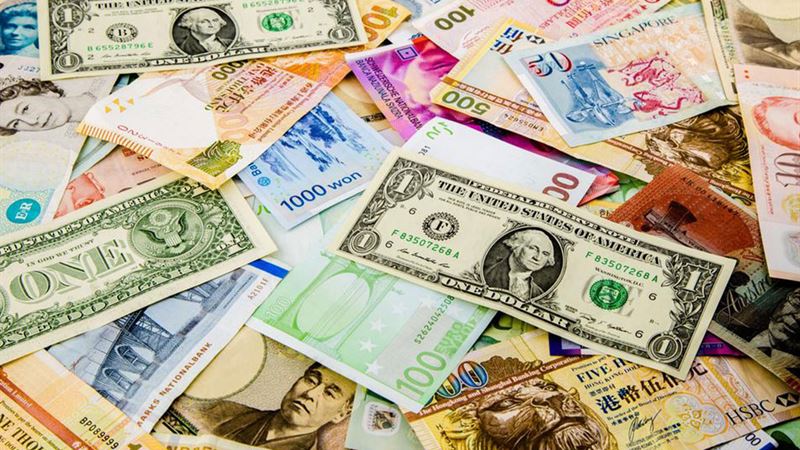
The foreign exchange (forex) market is the world's most extensive and continuously active financial marketplace, operating around the clock five days a week. Unlike stock markets that open and close at specific times, the forex market functions 24 hours a day, seamlessly connecting key financial centers across different time zones. Major trading hubs include London, New York, Tokyo, Zurich, Frankfurt, Hong Kong, Singapore, Paris, and Sydney. These cities facilitate a global trading cycle, creating uninterrupted opportunities for currency transactions.
The constant activity in the forex market results in dynamic price movements. Currency values are expressed in terms of exchange rates, which indicate how much one currency is worth in relation to another. These rates fluctuate based on various factors including economic indicators, geopolitical events, interest rates, and market sentiment. The exchange rate is essentially the price at which two currencies can be exchanged. Because of its high liquidity and size, the forex market has become a primary venue for investors worldwide to engage in currency trading.
In currency trading, participants buy or sell currencies based on their expectations of future movements in exchange rates. If traders believe a particular currency will appreciate, they buy it in anticipation of profiting from the increase. Conversely, if they expect a currency will depreciate, they sell or short-sell it. Among the numerous currencies traded, the Euro (EUR) paired with the US Dollar (USD) is the most actively traded currency pair globally, symbolizing the vast liquidity and importance of the eurozone economy in the forex landscape.
Understanding the mechanics of the forex market opens up opportunities for various participants, including banks, financial institutions, corporations, and individual traders. It allows them to hedge against currency risk, speculate for profit, or facilitate international commerce. The accessibility of online trading platforms and sophisticated analytical tools make foreign currency trading more approachable than ever before. However, it's crucial to understand the risks involved and to develop a well-informed trading strategy.