
Comprehensive Guide to Foreign Exchange Trading: Strategies and Insights
This detailed guide explores the fundamentals of foreign exchange trading, including how currency pairs work, market dynamics, and key strategies for profit. It emphasizes the importance of understanding price movements, pip calculations, and risk management. Perfect for beginners and experienced traders seeking to deepen their market knowledge and adopt better trading practices for sustained success in the forex industry.
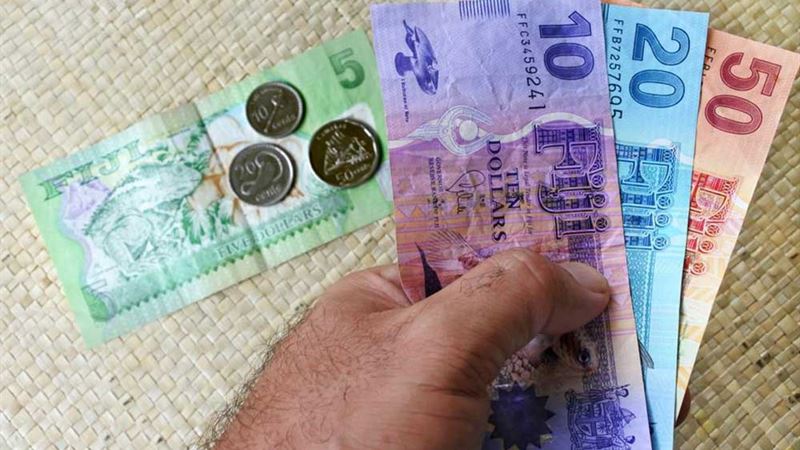
Engaging in foreign exchange trading requires a solid understanding of how currency pairs work and how their market values fluctuate. To start, you must identify the specific symbols representing the currencies involved. For instance, the Japanese Yen is denoted as JPY, and the Canadian Dollar as CAD. Understanding these symbols is fundamental for navigating the forex market effectively.
Every currency quote in the forex market reflects the current market price of one currency relative to another. These prices indicate how much of the second currency you need to purchase one unit of the first currency. For example, the USD/INR quote reveals the amount of Indian Rupees required to buy one US Dollar. This exchange rate is essential for traders aiming to profit from currency movements.
In a currency pair, the first currency listed is known as the 'base currency,' which determines the direction of trade. A rising price on a forex chart indicates that the base currency is strengthening against the counter currency. Conversely, a falling rate suggests the base currency is weakening relative to the paired currency. Tracking these movements accurately is crucial for strategic trading decisions.
Forex price movements are typically measured in pips, which are the smallest standardized price moves in a currency pair, usually equal to the fourth decimal place. During a trading day, currency pairs can fluctuate between 50 and 100 pips or more. The key to profit-making is buying the currency when the rate is comparatively low and selling it after the rate has increased by a profitable margin. Timing and market analysis are vital for successful trades.
Profits in forex trading are directly proportional to the amount of currency you trade. Essentially, the profit from a single pip movement can be multiplied by your total trade volume, amplifying gains or losses. It’s important to manage position sizes carefully and understand leverage effects to avoid excessive risk.
Entering the forex market demands comprehensive knowledge of market mechanisms, technical analysis, and news events that influence currency movements. As this market is highly volatile and influenced by global economic factors, novice traders should educate themselves thoroughly before risking real capital. A disciplined approach and proper risk management strategies are essential for long-term success, as hasty decisions can lead to significant financial losses.