
Comprehensive Guide to Effective Sleep Apnea Treatments
Discover comprehensive sleep apnea treatments, including lifestyle changes, dietary tips, medical devices, and surgical options to improve sleep quality and health outcomes. Learn how early diagnosis and proactive management can prevent serious health issues linked to sleep apnea.
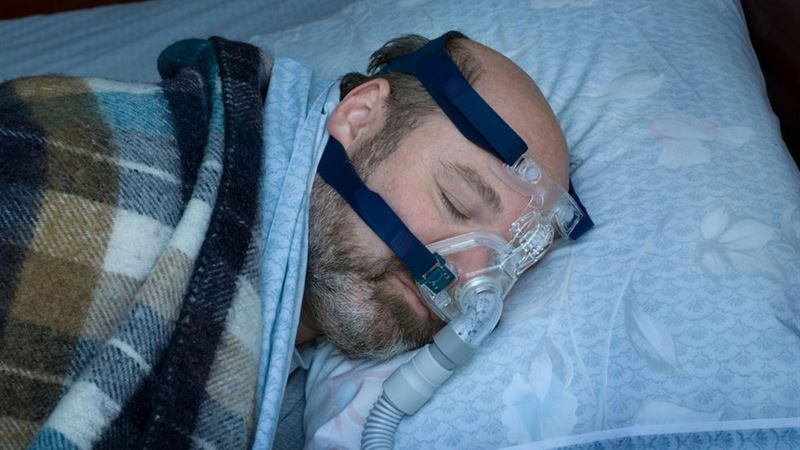
Understanding the causes and the severity of sleep apnea is the first step in addressing it effectively. Sleep apnea generally falls into two main categories: obstructive sleep apnea (OSA), which results from physical blockage of the airway, and central sleep apnea (CSA), which occurs due to issues with brain signals controlling breathing. OSA is more common and often linked to lifestyle factors such as obesity, smoking, and alcohol consumption. Recognizing the signs—such as loud snoring, episodes of breathing pauses during sleep, abrupt awakenings with gasping or choking, morning headaches, and excessive daytime sleepiness—is vital for early diagnosis and intervention.
Much of the treatment for sleep apnea centers around lifestyle adjustments and medical devices designed to keep the airway open during sleep. Addressing modifiable factors such as weight management, alcohol consumption, and smoking are foundational steps. Maintaining a healthy weight significantly reduces pressure on the airway and diminishes the severity of symptoms. Alcohol relaxes throat muscles and increases airway collapse, so limiting or avoiding alcohol before bedtime is recommended. Smoking irritates the airway tissues, exacerbating blockages and inflammation. Sleeping positions matter too; sleeping on your side instead of your back helps prevent airway obstruction and reduces snoring incidents. These small behavioral changes can dramatically improve sleep quality.
Proper nutrition and diet are cornerstones of managing sleep apnea, particularly because body weight plays a critical role. A well-balanced diet focusing on high-fiber foods aids in weight loss and overall health. Consuming fruits, vegetables, whole grains, nuts, seeds, and sprouted beans promotes satiety and reduces cravings. Additionally, choosing healthy fats like avocados and olive oil, while limiting saturated and trans fats, helps maintain a healthier BMI. Protein sources such as fish and eggs provide vital nutrients without contributing to weight gain. Consistent dietary habits combined with regular physical activity can support weight loss efforts, ultimately reducing the burden of sleep apnea and improving respiratory function during sleep.
Sleep apnea is more than just interrupted sleep; it significantly impacts your cardiovascular health and overall quality of life. Studies show that individuals with untreated sleep apnea may experience up to thirty breathing interruptions per hour during sleep, each pause lasting several seconds. These episodes disturb the natural sleep cycle, leading to fatigue, poor concentration, irritability, and increased risk of heart-related issues. The condition is particularly dangerous for people with pre-existing cardiovascular problems, as it exacerbates hypertension and places additional strain on the heart. The severity of sleep apnea varies, but regardless of the extent, timely intervention is essential to avoid long-term health consequences.
It's important to differentiate sleep apnea from mere snoring. While loud snoring can be a symptom of sleep apnea, the latter involves repetitive breathing cessations that are often accompanied by choking or gasping sounds. Recognizing these warning signs and consulting a healthcare professional can lead to a proper diagnosis through sleep studies and assessments. Early treatment not only enhances sleep quality but also reduces the risk of developing related health issues. Addressing sleep apnea proactively can significantly improve daily productivity, mood stability, and overall health.
Home-based strategies serve as the first line of defense in managing mild cases of sleep apnea. Weight loss should be prioritized, often resulting in noticeable improvements in symptoms. Avoiding alcohol and quitting smoking can significantly reduce airway irritation and muscle relaxation issues. Sleeping position adjustments, like sleeping on your side, can prevent airway collapse and decrease snoring. Incorporating breathing exercises and maintaining good sleep hygiene—such as regular sleep schedules and creating a comfortable sleep environment—also support better sleep. These manageable steps empower individuals to take control of their condition and work alongside medical treatments for optimal outcomes.
Diet plays a critical role in controlling sleep apnea symptoms. Emphasizing a nutritious diet helps maintain an optimal body weight and supports overall health. Consuming foods rich in dietary fiber, such as fruits, vegetables, and whole grains, encourages satiety and reduces calorie intake, aiding weight management. Incorporating healthy fat sources like avocados, olive oil, and grass-fed meats balances the diet, minimizing inflammation and promoting heart health. Ensuring adequate protein intake from fish and eggs supplies essential nutrients without excess calories. Monitoring portion sizes and establishing consistent meal routines complement lifestyle changes, paving the way for better sleep and reduced apnea episodes.
Medical interventions expand options for moderate to severe sleep apnea cases. Continuous Positive Airway Pressure (CPAP) machines remain the most commonly prescribed device, delivering a steady stream of air through a mask to keep the airway open during sleep. Although initially uncomfortable, proper adjustment and consistent use lead to significant symptom reduction. Alternative devices, such as Expiratory Positive Airway Pressure (EPAP), are small, adhesive nasal devices that promote unobstructed airflow. Mandibular advancement devices (oral appliances) reposition the jaw to prevent airway collapse. These devices are custom-fitted and effective for many patients, especially those who cannot tolerate CPAP therapy.
Surgical options are advisable when conservative therapies fail or are not suitable. Procedures may include removing excess tissue from the throat or nasal passages, such as tonsillectomy or uvulopalatopharyngoplasty, to enlarge the airway. Repositioning the jaw through orthognathic surgery can help widen the airway space and reduce blockages. In severe or recurrent cases, tracheotomy—a surgical creation of an airway directly into the windpipe—may be performed as a last resort. This procedure bypasses upper airway obstructions entirely, ensuring unobstructed breathing. Surgical interventions require careful evaluation and should be considered in consultation with an experienced sleep surgeon.