
Effective Strategies for Managing Joint Discomfort Across Different Weather Seasons
Discover comprehensive methods to manage joint pain throughout the year. From winter's cold to summer's heat and monsoon humidity, learn practical tips to keep your joints healthy and pain-free. Proper clothing, hydration, activity, and diet are key to maintaining joint comfort regardless of the weather. This detailed guide offers seasonal advice to help you enhance mobility, reduce stiffness, and enjoy better joint health all year round.
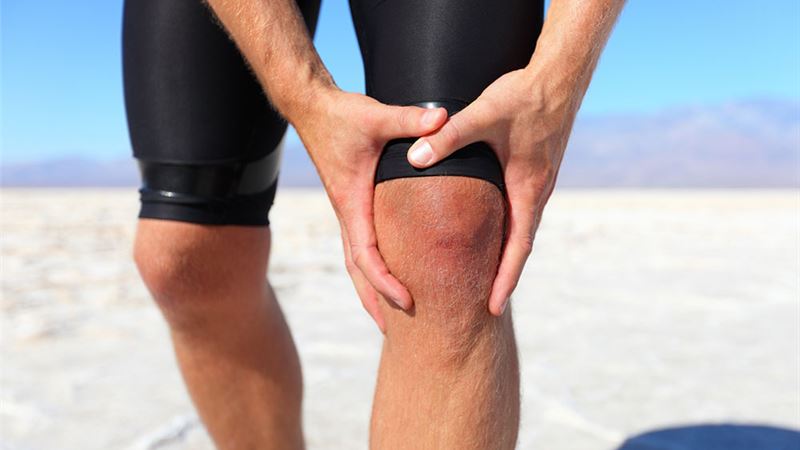
Joint pain can be a persistent challenge, especially when influenced by changing weather patterns. Variations in temperature, humidity, and atmospheric pressure can significantly affect joint health, leading to discomfort and stiffness in some individuals. Understanding how different weather conditions impact joints allows for better management and pain relief strategies. This article provides comprehensive insights into managing joint discomfort during winter, summer, and monsoon seasons, offering practical tips to maintain mobility and comfort throughout the year.
Managing Joint Pain in Cold Winter Months
Colder weather often exacerbates joint issues, making limbs feel stiff and painful. The drop in temperatures causes blood vessels to constrict, which can reduce blood flow to muscles and joints, increasing stiffness and discomfort. Moreover, overexposure to cold can cause muscles to tense up, compounding the problem. To counteract these effects, layering clothing is essential. Wearing thermal wear under your outer garments helps retain body heat, while scarves, gloves, and hats protect extremities from cold exposure. Covering vulnerable areas can prevent the joints from becoming unnecessarily stiff.
Physical activity remains crucial during winter months. Light exercises such as stretching, warm-up routines, and gentle walks help keep muscles flexible and reduce stiffness. It's important to avoid sudden movements that might strain the joints. Applying heat therapy—using heating pads or warm compresses—can also alleviate morning stiffness and reduce joint pain. Consistent use of heat increases blood circulation to affected areas, promoting healing and relaxation of tense muscles. Moreover, maintaining a balanced diet rich in anti-inflammatory foods like omega-3 fatty acids, turmeric, and ginger can also lessen joint inflammation.
Tips for Joint Comfort During Hot Summers
While hot weather might seem less problematic, it can still provoke joint pain for some people. Increased temperatures often lead to dehydration, which can trigger gout attacks and increase joint stiffness. The expansion of tissues due to heat and fluctuations in atmospheric pressure can put additional strain on joints, especially in those with pre-existing conditions like arthritis.
Staying well-hydrated is absolutely essential during summer. Drinking plenty of water helps flush out toxins and prevents dehydration-related joint issues. Wearing lightweight, breathable clothing made from natural fibers such as cotton encourages better air circulation, keeping the body cool and preventing overheating. When outdoors, seek shaded areas and avoid direct sun during peak hours to reduce heat-induced stress on your joints. Incorporating cooling techniques such as cooling towels or fans can also provide relief.
Gentle cooling exercises and stretching can help maintain joint flexibility. Swimming or water aerobics are excellent low-impact activities suitable for hot weather, as water supports the body and reduces joint stress. Always remember to protect your skin from sunburn and to stay hydrated throughout your activities. Proper nutrition, including foods rich in antioxidants, can bolster your immune response and help manage inflammation.
Dealing with Monsoon-Related Joint Challenges
The monsoon season is characterized by high humidity, frequent rainfall, and dropping temperatures, all of which can worsen joint symptoms. Sudden weather changes often cause a buildup of stiffness and swelling due to fluid retention and increased pressure within joints. The moisture can lead to thickening of the fluids surrounding muscles, tendons, and ligaments, resulting in stiffness and discomfort.
To mitigate monsoon-related joint pain, staying warm is key. Wearing layered clothing that traps body heat can help prevent stiffening of the tissues. Use of electric blankets at night or warm showers in the morning can effectively relax tense muscles, reducing stiffness. Maintaining an active routine is equally important; gentle exercises, yoga, or stretching routines help keep muscles engaged and prevent stiffness from settling in. Adequate hydration remains vital to ensure that fluids in the joints remain viscous and functional.
Nutrition also plays a pivotal role during this season. Consuming anti-inflammatory foods such as walnuts, flaxseeds, berries, and green leafy vegetables can help decrease swelling and inflammation. Supplements like omega-3 fatty acids can be beneficial too. If joint pain becomes persistent or severe, seeking medical advice for possible physical therapy, medication, or alternative treatments like acupuncture may be necessary.
Additional Tips for Year-Round Joint Health
Beyond seasonal strategies, maintaining a healthy lifestyle overall supports joint health. Regularly engaging in low-impact exercises like swimming, cycling, or walking promotes joint flexibility and strengthens surrounding muscles. Maintaining an optimal weight reduces the strain on weight-bearing joints such as knees and hips.
Avoiding smoking and limiting alcohol consumption can also decrease inflammation levels within joints. Proper posture when standing, sitting, or lifting objects minimizes unnecessary stress on joints. Wearing suitable footwear with good arch support prevents joint misalignments and soreness.
For persistent joint issues, consulting healthcare professionals for tailored treatment plans is recommended. Physical therapy, medications, and in some cases, surgical interventions might be necessary to manage chronic pain effectively. Regular check-ups and preventive care can make a significant difference in maintaining joint function and quality of life.
Conclusion
Managing joint discomfort requires awareness of how weather and environmental factors impact joint health. By adopting season-specific strategies such as layering and heating in winter, staying hydrated and cool in summer, and keeping warm and active during monsoons, individuals can reduce pain and improve mobility across all seasons. Incorporating healthy habits and seeking professional guidance when necessary can ensure long-term joint well-being and a more comfortable, pain-free life.