
Effective Strategies for Maintaining a Healthy, Plaque-Free Smile
Achieving and maintaining a clean, healthy mouth free from plaque is attainable with consistent brushing, flossing, and regular dental visits. This comprehensive guide provides effective tips, proper techniques, dietary advice, and professional care strategies to keep your smile bright and prevent common dental problems. Incorporating natural methods and choosing appropriate products can significantly improve your oral health. Protect your teeth from decay, gum disease, and tartar buildup for a lifetime of confident, radiant smiles by following these proven practices daily.
Everyone desires a radiant, white smile and a mouth free from plaque. Achieving this goal is straightforward when you follow basic oral hygiene practices and adopt a few effective habits. Proper dental care not only enhances appearance but also protects overall health by preventing infections and chronic diseases associated with poor oral hygiene. In the following sections, we will explore detailed methods and practical tips to maintain a spotless, healthy mouth.
Understanding how to maintain oral cleanliness and prevent plaque buildup involves multiple approaches. Here, we outline the most effective, scientifically backed strategies to ensure your mouth remains healthy and free from dental plaque, emphasizing simple routines that can fit into any busy lifestyle.
Brushing Techniques and Routine
Consistent brushing is the cornerstone of oral hygiene. To avert plaque accumulation, it is recommended to brush your teeth twice a day—morning and night—with a fluoride toothpaste. Choosing a soft-bristled toothbrush is crucial to avoid damaging the enamel and gums. The brushing session should last at least two minutes to thoroughly clean all surfaces of your teeth, including hard-to-reach areas. When brushing, use gentle, short strokes with moderate pressure, primarily in vertical and circular motions, to effectively remove plaque without causing abrasion.
Modern dental professionals agree that whether you opt for manual or electric toothbrushes is less important than employing correct technique. Replacing your toothbrush every three to four months is essential to maintain cleaning efficiency and prevent bacteria accumulation. After brushing, rinse your toothbrush thoroughly, shake off excess water, and store it upright in a dry, clean location to prevent bacterial growth. Studies have shown that effective brushing reduces plaque formation, guards against cavities, and keeps gums healthy.
Importance of Flossing and Its Proper Technique
Even with meticulous brushing, plaque often persists between teeth—hidden from toothbrush bristles. Flossing is a vital step for comprehensive dental hygiene, capable of removing plaque buildup from interdental spaces where brushes cannot reach. Dental experts recommend flossing once daily, ideally before bedtime, to keep your teeth free from plaque and food particles.
To floss correctly, unwind approximately 18 inches of dental floss and wrap most of it around your middle fingers, leaving an inch or two to work with. Gently slide the floss between your teeth using a gentle sawing motion, curving it around each tooth at the gum line. Be careful not to snap the floss against your gums to avoid injury. Spend about three to five minutes flossing all teeth, including the back molars. For those who find traditional floss difficult to maneuver, alternatives such as super-floss, dental tapes, interdental brushes, or water flossers can be excellent substitutes. However, it’s worth noting that water picks do not replace traditional floss entirely, especially for deep interdental cleaning.
Using Mouthwash for Extra Protection
Mouthwash, particularly antibacterial or antimicrobial variants, offers an added layer of defense against plaque. After brushing and flossing, rinsing with an approved mouthwash helps eliminate residual bacteria, freshen breath, and reduce plaque buildup. Over-the-counter options often contain active ingredients like fluoride, chlorhexidine gluconate, zinc citrate, and triclosan—all effective in disrupting plaque formation. For optimal results, consult your dentist for prescription-strength mouthwashes tailored to your specific needs.
It is advisable to select alcohol-free mouthwashes, especially for children and sensitive users. Natural alternatives infused with tea tree oil, peppermint, grape seed oil, or green tea extracts are becoming increasingly popular. These natural rinses can effectively fight bacteria without harsh chemicals or alcohol, making them safer and more gentle for daily use.
Diet and Its Impact on Oral Health
Your diet plays a significant role in oral health. Foods high in sugar and acids—such as sodas, candies, cakes, and processed snacks—are primary contributors to plaque development and tooth decay. Dark-colored fruits like berries, while rich in nutrients, contain natural acids and sugars that can stain teeth and encourage plaque formation if consumed excessively.
On the other hand, incorporating vegetables into your diet can promote dental health. Crunchy vegetables like carrots, celery, and cucumbers act as natural toothbrushes, dislodging plaque mechanically and stimulating saliva production. This saliva acts as a natural cleanser and neutralizer of acids in the mouth, helping to protect enamel.
Cheese and dairy products are also beneficial, as they help maintain a balanced oral pH and promote saliva secretion. They contain calcium and phosphates, which are essential for strengthening tooth enamel and repairing early decay. Consuming these foods regularly can reduce the risk of cavities and keep your mouth healthy.
Regular Dental Checkups and Professional Cleanings
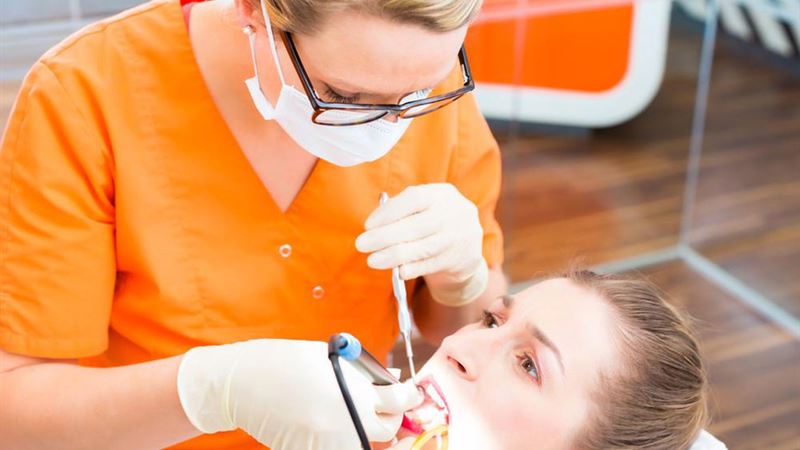
No matter how diligent your brushing, flossing, and diet are, routine visits to the dentist are crucial for maintaining optimal oral health. Professional cleanings effectively remove tartar and deep-seated plaque that cannot be eliminated at home. Dentists can also detect early signs of decay, gum disease, or other oral problems before they become serious.
During dental appointments, preventive measures such as sealants or fluoride treatments can be applied to protect vulnerable teeth. Your dentist might recommend additional interventions tailored specifically to your oral health status. Regular checkups—at least twice a year—are proven to drastically reduce the likelihood of developing severe dental issues, saving you discomfort and costly procedures in the future.
Ultimately, the key to maintaining a healthy, plaque-free smile is consistency. Combining proper oral hygiene techniques, smart dietary choices, and regular professional care forms the foundation of long-term oral health. Commitment to these practices enhances not only your dental well-being but also overall health, confidence, and quality of life.