
Comprehensive Guide to Enhance Your Oral Hygiene and Dental Wellness
Discover essential oral hygiene tips and dietary practices to maintain healthy teeth and gums. This comprehensive guide covers effective brushing techniques, benefits of oil pulling, foods to avoid, and the importance of regular dental visits for optimal dental health and overall well-being.
- Select a toothbrush with soft bristles to ensure gentle yet effective cleaning of your teeth. Replace your toothbrush every three to four months to maintain optimal cleanliness and prevent bacterial buildup. Proper brushing from all angles ensures thorough plaque removal, preserving the health of your enamel.
- Use short, gentle back-and-forth strokes combined with small circular motions to reach between teeth and along the gum line. This technique helps eliminate plaque and food debris effectively, reducing the chance of cavities and gum disease.
- Maintain healthy gums by carefully brushing along the gum line to dislodge any trapped food particles and reduce inflammation. Massaging your gums gently boosts circulation and promotes tissue health.
- Don't forget to clean your tongue regularly using a tongue scraper or soft-bristled brush. This removes bacteria that can cause bad breath and contribute to plaque buildup.
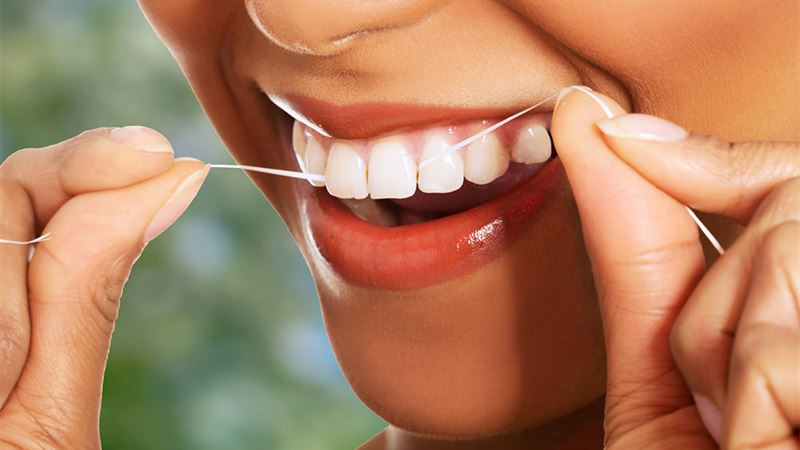
- Finish your oral hygiene routine by rinsing your mouth thoroughly with clean water and flossing. Flossing helps remove plaque and food particles from between teeth and below the gum line where a toothbrush can't reach.
- Explore various flossing options such as traditional dental floss, pre-threaded flossers, or water flossers to find what best suits your needs. These tools effectively prevent plaque accumulation and reduce the risk of cavities.
If you find it difficult to perform manual brushing due to mobility issues or other health conditions, consider using an electric or battery-operated toothbrush. These devices can provide consistent and effective cleaning with minimal effort.
Oil Pulling – An Ancient Remedy for Oral Detoxification
Oil pulling involves swishing high-quality oils like extra-virgin coconut oil in your mouth to remove toxins and bacteria. Here's a detailed guide on how to incorporate oil pulling into your daily routine:
- Take a tablespoon of pure, unrefined coconut oil or alternatives like sesame or olive oil. These oils possess natural antibacterial properties that support oral health.
- Swish the oil around your mouth for 15 to 20 minutes. Be sure not to swallow the oil, as it accumulates toxins and bacteria during the process.
- Once the time is up, spit out the oil into a trash bin or sink. Avoid spitting into the toilet to prevent clogging with hardened oil.
- Rinse your mouth thoroughly with warm water to eliminate residual oil and toxins.
Dietary Considerations – Foods to Limit for Optimal Dental Health
Managing your diet plays a crucial role in maintaining healthy teeth and gums. Certain foods and beverages can accelerate dental problems if consumed excessively. Awareness about these can help in making better choices:
Sugary and Carbonated Drinks
Beverages like sodas are laden with sugar and acids that damage enamel and promote decay. Frequent consumption can lead to plaque buildup, cavities, and even dry mouth issues due to reduced saliva production, which is vital for neutralizing acids.
Icy and Frozen Foods
While ice cream is a tasty treat, biting into hard ice or frozen treats can cause sensitivity or tiny cracks in the enamel. Consuming such foods in moderation and avoiding excessive biting on ice minimizes potential damage.
Candies and Sweets
Candies, especially sticky and sugary varieties, are major culprits behind tooth decay. The sugar feeds harmful bacteria, leading to acid production and enamel erosion. Limiting intake and opting for healthier snacks supports dental health.
Starchy Junk Snacks
Chips and crunchy snacks, though low in sugar, contain starchy carbohydrates that convert to sugars in the mouth. These foods tend to stick to the teeth, fostering plaque formation and increasing the risk of decay and gum disease.
Caffeinated Beverages
Drinking coffee or tea might give you an energy boost, but excessive caffeine can stain your teeth and cause discoloration over time. Using a straw or rinsing your mouth after consumption can mitigate staining effects.
Health Risks of Poor Oral Hygiene
Neglecting dental care doesn't just cause cavities and gum disease—it can contribute to more serious health issues like diabetes, respiratory infections, and cardiovascular diseases. Oral bacteria can enter the bloodstream, affecting overall health. Regular dental checkups, proper brushing, flossing, and maintaining a balanced diet are essential.
Practicing good oral hygiene habits promotes healthier teeth and gums. Staying well-hydrated helps wash away food particles and bacteria. Using mouthwash can further disinfect your mouth, especially after consuming sticky or acidic foods. Remember to visit your dentist twice yearly for comprehensive checkups and professional cleanings. Proper brushing twice daily and daily flossing, especially after meals, significantly reduces your risk of dental problems and maintains a beautiful, healthy smile.