
Comprehensive Guide to Installing a Gazebo Securely and Efficiently
Learn how to install your gazebo safely and effectively with this comprehensive, step-by-step guide. From foundation to roof, ensure your outdoor structure is stable, secure, and built to last. Discover tips for soil and concrete bases, proper hardware use, and maintenance advice to keep your gazebo looking great and functioning well for years. Perfect for DIY enthusiasts and homeowners seeking to enhance their outdoor living space, this detailed guide covers everything needed for a professional installation. Create a beautiful, sturdy gazebo that adds value and enjoyment to your home environment.
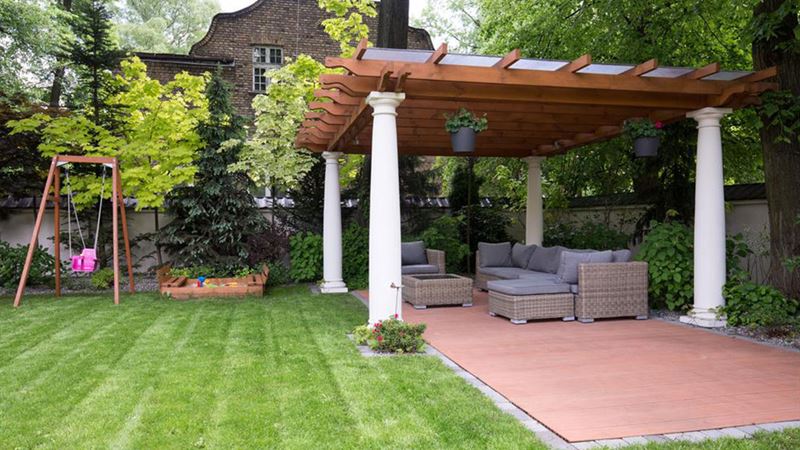
Setting up a gazebo can be an enjoyable project that adds aesthetic appeal and functional outdoor space to your property. However, ensuring that it is assembled correctly and securely is crucial for safety, longevity, and stability. This detailed guide walks you through the essential steps involved in installing a gazebo, whether on a soft soil surface or a solid concrete foundation. Proper installation not only guarantees structural integrity but also enhances the durability of your outdoor retreat. Whether you're a DIY enthusiast or a first-time builder, understanding these key tips will help you complete a professional-looking installation with confidence.
Preparation is the first critical step in installing a gazebo. Start by carefully choosing the location. The ground must be level to prevent tilting or wobbling once the structure is erected. Remove any debris, grass, or uneven patches to create a stable foundation. For sites with soft soil, consider inserting ground anchors or driven stakes to reinforce stability, ensuring the gazebo remains firmly rooted even during strong winds or adverse weather conditions.
Materials and tools are next on the checklist. Gather all necessary components as per the manufacturer's manual, including supporting posts, bolts, plates, ground anchors, and roofing panels. Having everything organized beforehand minimizes delays during assembly. Basic tools such as a power drill, wrench, screwdrivers, level, measuring tape, and a rubber mallet are essential for a smooth installation process.
Begin the assembly by assembling the foundation. For soft soil, insert the ground anchors or pile-driven stakes through the bases of the supporting posts. Hammer these deeply into the ground to ensure a secure foundation that prevents shifting. If installing on a concrete surface, you'll need to drill holes into the concrete and secure the posts with heavy-duty bolts. Use a suitable drill bit for concrete, and ensure all bolts are tightened properly for maximum stability.
Next, secure the supporting posts to the foundation. Fit the bottom plates beneath each post and fasten them with bolts—usually between two to four per post—to ensure firm support. Carefully verify that each post is plumb and aligned accurately using a level. Incorrect alignment can compromise the entire structure, so take your time to check the vertical positioning before tightening the bolts completely.
Once the posts are secured, slide the post covers over the top of each post, masking any exposed hardware and providing a finished appearance. Repeat this process for each support, ensuring all posts are uniformly covered and properly aligned. During this phase, double-check that all posts are firmly anchored, stable, and free from wobbling.
Constructing the roof involves connecting all the supporting poles to the central plate or roof frame. Follow the manufacturer's instructions meticulously, tightening all bolts and joints to prevent any looseness. Being diligent at this stage ensures that the roof will be sturdy and safe. Carefully lift and position roofing panels, which may be made of fiber sheets or laminated polyester materials. Handle these materials gently to avoid cracks, bends, or other damage during installation.
Final adjustments include verifying the stability of the entire structure. Walk around the gazebo and gently shake each part to identify any loose fittings or wobbling sections. Tighten bolts and fastenings as necessary. If the structure seems unstable, double-check whether all components are correctly aligned and securely fixed.
Regular maintenance and inspections are key to prolonging the life of your gazebo. After installation, periodically check bolted joints, replace any weathered or damaged roofing materials, and keep the frame clean to prevent rust and corrosion. Properly installed and maintained gazebos can last for decades, providing a wonderful outdoor feature for gatherings, relaxation, and outdoor activities.
In summary, installing a gazebo requires careful preparation, precise assembly, and diligent maintenance. Whether you're placing it on soil or concrete, following these detailed steps will ensure your gazebo stands tall and secure through seasons of outdoor enjoyment. Remember to always adhere strictly to the manufacturer’s guidelines and safety precautions. With patience and attention to detail, you can transform your outdoor space into a charming haven that will be admired for years to come.