
Comprehensive Guide to Installing an Above Ground Pool Quickly and Effortlessly
Learn how to install an above ground pool with ease through detailed steps including site selection, ground leveling, drainage setup, and assembly tips. This comprehensive guide ensures a smooth process and long-lasting fun in your backyard.
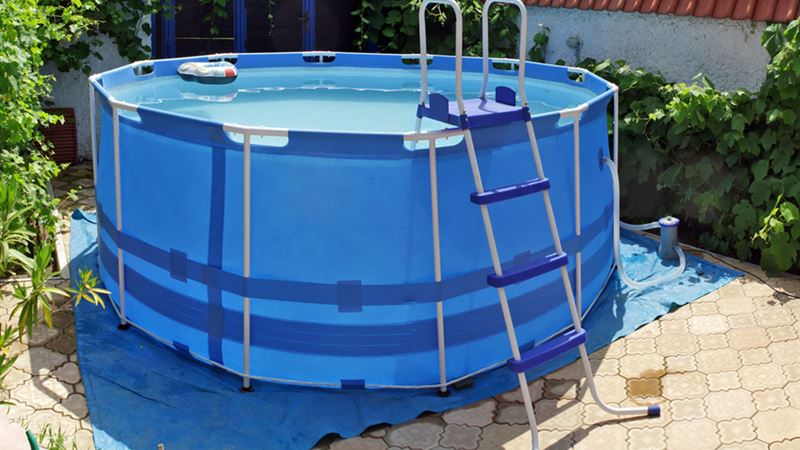
Effective installation begins with selecting the perfect site in your backyard. The ideal location should be flat, free of underground utilities, and provide ample space for the pool and surrounding area. Before proceeding, carefully survey your yard to identify the most suitable spot. Avoid areas with overhanging trees or branches to minimize debris falling into the pool. Additionally, consider sunlight exposure; a spot with partial shade can reduce water evaporation and keep the pool cooler during hot days. Once you've selected the site, clear the area thoroughly, removing any grass, sod, roots, rocks, and other debris. Proper site preparation is critical for a smooth installation and long-term durability of your above ground pool.
The next vital step involves preparing the ground to ensure a level surface. Uneven ground can lead to structural issues, water pooling, and potential damage to the liner. After clearing all vegetation and debris, use a leveler or transit to check the ground's flatness. If you find high spots, use a shovel or rake to grade the area, filling low spots with compacted sand or soil. It is crucial to achieve a completely flat and stable surface to maintain pool integrity. For added stability, consider installing a concrete pad or a heavy-duty ground cloth designed specifically for pool installations. Ensuring levelness will make assembly easier and strengthen the durability of your pool over time.
Adequate drainage is essential to prevent water accumulation around the pool base and foundation. Standing water can lead to erosion, instability, and issues with mold or algae growth. When preparing the site, evaluate the natural slope of your yard. If necessary, modify the terrain to facilitate runoff away from the pool area. Installing a perimeter drain or drainage tiles can help channel excess water. Also, assess the foundation underneath the pool; you may need to add a layer of crushed stone or gravel to promote drainage. Confirm that the area is well-drained before installing the pool, as water pooling can compromise the structure and longevity of your investment. A sound drainage plan will contribute to a safer, cleaner, and more enjoyable swimming experience.
After completing site selection, ground leveling, and drainage setup, gather all necessary tools and materials. These include a pool liner, frame components, bolts, screws, and safety equipment. Follow the manufacturer's instructions meticulously, beginning with assembling the frame, then installing the side panels, liner, and supporting accessories. During assembly, ensure each part is securely fastened, and double-check measurements for accuracy. Take your time to prevent mistakes that could lead to leaks or structural issues. Once the pool is fully assembled, fill it gradually with water, monitoring the level to confirm the ground remains even. After filling, inspect the liner and structure for any defects or irregularities. With proper preparation and careful assembly, you can enjoy your new above ground pool with minimal stress and maximum enjoyment. Maintenance tips, such as regular cleaning and chemical balancing, will help keep your pool in pristine condition for seasons to come.