
Comprehensive Guide to Exploring South Africa: Essential Tips and Top Destinations
Discover the diverse landscapes and rich culture of South Africa with this comprehensive travel guide. From iconic cities and scenic coastlines to thrilling safaris and historical sites, plan your perfect trip by understanding the country's geography, climate, key attractions, and best travel times. Whether you're seeking adventure, relaxation, or cultural immersion, South Africa offers a unique experience for every traveler.
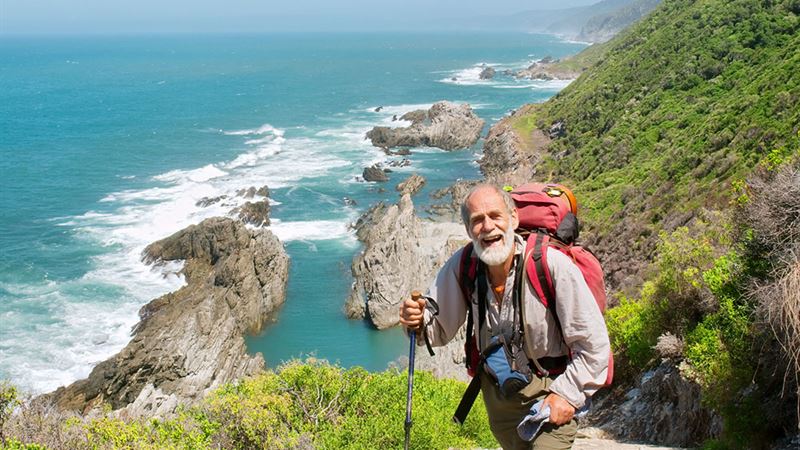
South Africa presents a diverse palette of experiences for travelers, shaped by their unique interests and preferences. From pristine beaches and vibrant cities to vast wilderness areas teeming with wildlife, this country offers a multitude of adventures. To help you plan a memorable journey, we have compiled vital information about its geography, culture, climate, and must-visit attractions. Whether you’re seeking thrilling safaris, cultural immersions, or scenic coastal drives, understanding the essentials of South Africa will ensure you make the most of your trip.
Geographical Location and Borders
Situated at the southern tip of the African continent, South Africa is a crossroads of diverse landscapes and cultures. It shares borders with six neighboring countries: Mozambique, Lesotho, Botswana, Eswatini (Swaziland), Namibia, and Zimbabwe. Its extensive coastline stretches along both the Atlantic and Indian Oceans, providing breathtaking views, picturesque beaches, and opportunities for water-based recreation. The confluence of ocean currents and fertile lands creates a unique environment diverse in flora and fauna.
Geographical Extent and Landscape Diversity
Covering approximately 470,693 square miles, South Africa is a land of contrasting terrains. Its geography encompasses lush forests, arid deserts, rugged mountains, and rolling plains. Notable mountain ranges include the Drakensberg, which boasts breathtaking peaks and scenic hiking trails. The vast interior includes the Highveld, a high-altitude plateau, and the Karoo semi-desert. Coastal regions feature sandy beaches and rocky shores, ideal for sunbathing, surfing, and marine exploration. These varied landscapes create an ideal setting for adventure, relaxation, and wildlife viewing.
The Three Capitals: Administrative, Legislative, and Judicial
Unlike most countries with a single capital city, South Africa uniquely functions with three. Pretoria serves as the administrative capital, housing government departments and embassies. Cape Town is the legislative capital, where the Parliament of South Africa meets, while Bloemfontein is the judicial hub, hosting the Supreme Court of Appeal. This tripartite arrangement reflects the nation’s commitment to balance regional interests and governance. Each city offers distinct attractions and vibrant cultures, making them worthy destinations during your trip.
Demographics and Population Insights
As of 2018, South Africa's population was estimated at around 55 million residents, according to the CIA World Factbook. This population is ethnically diverse, encompassing various racial, cultural, and linguistic groups. Urban centers like Johannesburg, Cape Town, and Durban are bustling metropolises that embody the country’s vibrant spirit. The demographic diversity contributes to South Africa’s rich cultural tapestry, making it a fascinating destination for travelers interested in history, art, and social dynamics.
Official Languages and Communication
South Africa recognizes eleven official languages, reflecting its multicultural society. These include Northern Sotho, Sotho, Tswana, Swati, Tshivenda, Xitsonga, Afrikaans, English, Ndebele, Xhosa, and Zulu. Among these, Zulu and Xhosa are the most widely spoken and culturally significant. English is also prevalent in business and tourism sectors, easing communication for international visitors. Understanding some basic phrases in local languages can enhance interactions and provide deeper insights into the local culture.
Religious Landscape
South Africa’s religious composition is predominantly Christian, with about 80% of the population identifying as such, based on the 2001 census. The country is also home to Muslims, Hindus, and followers of indigenous beliefs, contributing to its spiritual and cultural diversity. Religious tolerance and secularism are foundational principles, with vibrant churches, mosques, temples, and indigenous spiritual sites scattered across the nation. Visitors can explore various religious sites to gain a deeper appreciation of South Africa's spiritual heritage.
Monetary System
The South African Rand (ZAR) is the official currency, accepted throughout the country. Currency notes and coins feature local wildlife, historical figures, and cultural symbols. ATMs and banking services are widely available in urban centers, making travel transactions convenient. It is advisable to carry some cash in local currency for small purchases, although credit cards are accepted in most hotels, shops, and restaurants.
Climate and Weather Patterns
South Africa’s climate varies across regions, influenced by its diverse geography. Generally, it experiences a summer from December to February and winter from June to August. Summers bring warm temperatures averaging around 25°C (77°F), with some areas experiencing hot days. Winters can be cold, especially in the interior and southern regions, with temperatures dropping below freezing. Coastal areas tend to have milder winters. Rainfall varies, with some regions experiencing droughts while others receive seasonal rains. Packing appropriate clothing for each season and region is essential for a comfortable journey.
Optimal Times to Visit and Seasonal Tips
The best time to explore South Africa depends on your planned activities. Wildlife enthusiasts aiming for prime safari experiences should visit during the dry season, from May to September, when animals congregate around water sources, making sightings more predictable. Beach lovers and city explorers might prefer the summer months from November to April, especially in Cape Town and along the coast. Avoiding peak tourist seasons can also enhance your experience, allowing for more intimate encounters with local culture and attractions. Consider weather variations and activity preferences when planning your trip.
Top Must-See Destinations and Attractions
South Africa boasts a multitude of attractions that captivate travelers from around the world. Here are some of the top destinations to include in your itinerary:
- Cape Town: Known as one of the world’s most scenic cities, Cape Town offers breathtaking landscapes, iconic landmarks such as Table Mountain, the Cape of Good Hope, and vibrant waterfronts. Its famous vineyards produce world-renowned wines, and its beaches attract surfers and sunbathers alike. Visitors can enjoy a blend of cultural sites, outdoor activities, and delicious cuisine.
- The Garden Route: Stretching along South Africa’s southeastern coast, the Garden Route is a scenic drive through lush forests, lagoons, and charming towns. From Mossel Bay to Storms River, this corridor offers outdoor adventures including hiking, dolphin watching, and bungee jumping. The area is perfect for nature lovers seeking tranquility and stunning vistas.
- Kruger National Park: Spanning over two million hectares, Kruger is a premier safari destination offering unparalleled wildlife experiences. Visitors can embark on game drives to see Africa’s “Big Five” — elephants, lions, buffalo, leopards, and rhinos — in their natural habitat. Luxury lodges and guided tours provide comfort while immersing travelers in the wilderness.
- Johannesburg: As South Africa’s largest city, Johannesburg combines history with modernity. Explore the Apartheid Museum, Soweto Tours, and thriving art scenes. The city serves as a gateway for trips to nearby historical sites and gold mines.
- Drakensberg Mountains: For hiking and outdoor enthusiasts, the Drakensberg offers rugged peaks, waterfalls, and ancient rock art. Its scenic beauty makes it an excellent destination for adventure seekers and cultural explorers alike.
These attractions only scratch the surface of what South Africa has to offer, ensuring every traveler leaves with unforgettable memories.