Discover budget-friendly tips for exploring South Africa's renowned national parks and wildlife reserves. From affordable accommodations in Kruger to cost-effective transport options and best visiting seasons, this guide helps travelers experience an incredible safari adventure without overspending. Strategic planning, choosing the right time to visit, and utilizing local transport are key to saving money while enjoying the country's rich biodiversity and scenic landscapes. Embark on an unforgettable adventure in South Africa’s wilderness on a budget, with practical tips for making your safari experience both affordable and memorable.
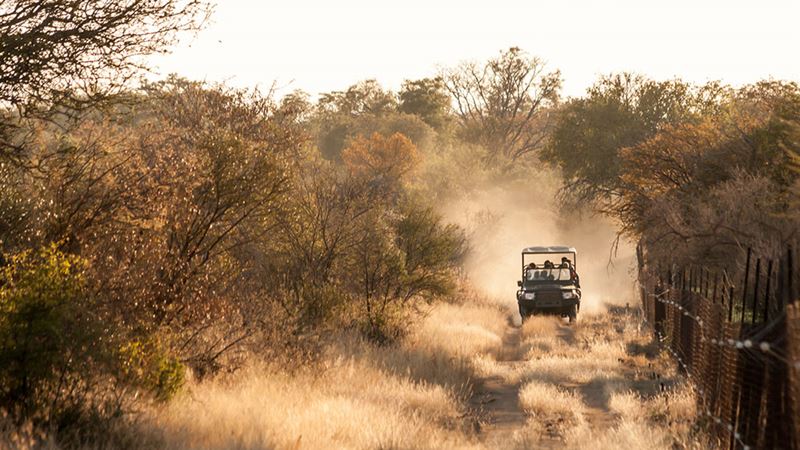
Embarking on a safari in South Africa is an exhilarating experience that offers a close encounter with nature's most majestic creatures. While South Africa is renowned for its wildlife safaris, many travelers worry about costs. Fortunately, with some strategic planning and insider tips, you can enjoy an unforgettable safari adventure without overspending. This comprehensive guide explores various budget-friendly options for experiencing South Africa's rich wilderness, from national parks to local accommodations and travel tips that help keep your expenses in check.
South Africa boasts a diverse range of national parks and reserves, making it a prime destination for wildlife enthusiasts. The national parks managed by SANParks (South African National Parks) are the most affordable and accessible options for budget travelers. These protected areas are well-maintained and offer a variety of activities, including self-drive safaris, guided game drives, and comfortable yet economical accommodations.
The Kruger National Park, covering approximately 19,500 square kilometers, is undoubtedly the most popular and rewarding safari destination in South Africa. As one of Africa's largest game reserves, Kruger is teeming with wildlife, including the Big Five: lions, elephants, leopards, buffalo, and rhinos. Due to its size and national park status, it offers affordable options for visitors, including entry fees, lodging, and tours.
Planning your trip to Kruger involves booking well in advance, particularly during peak seasons. This not only guarantees availability but also allows you to secure better rates on accommodations and tours. Kruger offers a wide array of lodging options, from budget-friendly campsites and basic huts to comfortable chalets and cottages. Many of these are managed by SANParks and can be reserved online, making the booking process straightforward and economical.
Within Kruger and other parks, rest camps such as Skukuza, Berg-en-Dal, and Satara provide a social atmosphere for travelers and budget-conscious tourists alike. Skukuza, the largest camp, offers a variety of housing types, including self-catering cottages, and features amenities such as shops, communal areas, playgrounds, and swimming pools. Staying in these camps provides not only affordability but also an authentic wilderness experience that immerses visitors in nature without the high costs associated with private lodges.
Another key to saving money is understanding the travel logistics. Domestic flights within South Africa can be expensive and limited, especially to remote airports near park entrances. To save costs, consider flying into major airports like Johannesburg OR Tambo International Airport or Cape Town International and then driving or taking regional airlines to your destination.
Low-cost regional airlines such as Kulula, Mango, and FlySafair operate routes to various South African cities and regional airports. From these hubs, renting a car is an economical way to explore the parks. Car rentals are widely available and affordable, allowing flexibility to visit multiple parks or explore the surroundings at your own pace.
For example, Pilanesberg National Park, known for being malaria-free and easily accessible from Johannesburg, is an excellent budget-friendly option. It’s just a two-hour drive from Johannesburg city center and about an hour and a half from Lanseria Airport, making it ideal for spontaneous or planned trips. Visiting during weekdays rather than weekends can significantly reduce costs, as parks tend to be less crowded and accommodation prices often decrease outside peak days.
Starting your mornings with guided safaris is an immersive way to see Africa’s iconic wildlife. Many reserves offer early morning safaris, often included in package deals, which maximize your chances of spotting big game such as lions, elephants, and leopards while the animals are most active. Klaserie Private Nature Reserve, bordering Kruger, offers guided safaris that are both affordable and enriching, along with evening game drives that reveal nocturnal wildlife behaviors.
Klaserie's unfenced border with Kruger means animals are free to roam between parks, creating a natural corridor that enhances game viewing opportunities. Visitors also have a good chance to see smaller predators like servals, civets, and caracals, as well as rare species like honey badgers or aardvarks. This proximity offers an authentic safari experience that is accessible and budget-friendly.
Traveling in the off-peak season can lead to substantial savings. South Africa’s winter months (May to September) are considered low season, offering reduced accommodation prices and fewer tourists. Although the weather is drier and cooler, it’s an optimal period for game viewing because animals tend to congregate around waterholes, making wildlife sightings more predictable and abundant compared to the hot, wet summer months.
Choosing accommodations just outside national parks can also help cut costs. Many budget-friendly lodges and guesthouses are located near park entrances, providing easy access for self-driving safaris and guided tours. For example, Addo Elephant National Park, situated about an hour from Port Elizabeth, is a sprawling reserve home to over 600 elephants, 400 buffalo, and numerous other species, including the recently reintroduced spotted hyenas and Transvaal lions. The surrounding area is well-equipped with supermarkets, eateries, and facilities, making it convenient and economical for travelers.
In addition to saving on transport and accommodation, travelers can further reduce costs by planning their trips during promotional periods or off-peak seasons. Pack essentials and choose self-catering options to avoid high restaurant prices within parks. Joining group safaris or tours can also be more economical than private arrangements.
Ultimately, experiencing South Africa’s magnificent wildlife doesn’t have to drain your wallet. With strategic planning, smart choices in timing, accommodation, and transportation, you can enjoy a fulfilling safari experience that offers incredible views and memories within a reasonable budget. So, gear up for an adventure of a lifetime in South Africa’s diverse landscapes—packed with wildlife, scenic vistas, and warm hospitality—all within your budget.
- Affordable South African safaris
- Budget wildlife tours
- Self-drive safaris
- National parks South Africa
- Cost-effective travel tips
