
Comprehensive Guide to Metastatic Lung Cancer: Causes, Symptoms, and Innovative Treatment Strategies
This comprehensive guide explores metastatic lung cancer, detailing its causes, symptoms, and modern treatment options like chemotherapy, immunotherapy, and radiation therapy. Understanding how the disease spreads and recognizing early signs can improve prognosis. Advances in personalized medicine and targeted treatments are offering new hope for patients, emphasizing the importance of early diagnosis and tailored intervention to extend survival and enhance quality of life.
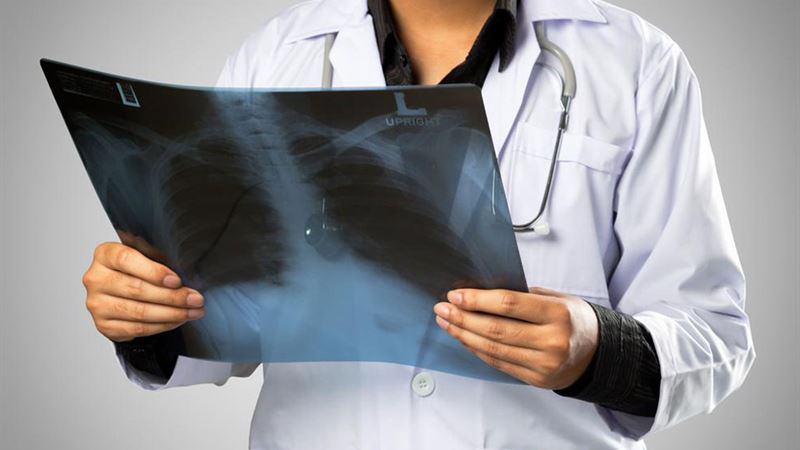
Understanding metastatic lung cancer is crucial for early detection and effective management. This advanced stage of lung cancer occurs when cancer cells spread beyond the lungs to other parts of the body, significantly impacting prognosis and treatment options. In this detailed guide, we explore the origins of metastatic lung cancer, the symptoms to watch for, and the modern therapies available to combat this serious health condition. Whether you’re a patient, caregiver, or healthcare professional, staying informed is key to improving outcomes and quality of life.
Origins and Pathways of Metastatic Lung Cancer
Metastatic lung cancer develops through complex biological mechanisms involving direct tissue invasion and hematogenous or lymphatic dissemination. The primary tumor, often originating in the bronchial lining, can grow unchecked if untreated. Over time, as the tumor enlarges, it exerts pressure on adjacent healthy tissues, eventually penetrating the tissue barriers. This invasion disrupts normal tissue architecture, impairing function, and leading to localized symptoms.
Beyond direct invasion, the cancer cells can enter bloodstream and lymphatic channels, traveling to distant organs. Once inside the blood vessels, these malignant cells circulate through the circulatory system, seeking suitable environments to establish secondary tumors. Similarly, via the lymphatic system, cancer cells can become trapped within lymph nodes, forming secondary nodal metastases.
Understanding these pathways is essential for developing targeted therapies aimed at halting metastatic spread and improving survival rates.
Recognizing Symptoms of Metastatic Lung Cancer
Detecting metastatic lung cancer can be challenging due to its often subtle and non-specific symptoms that mimic other illnesses. The key to early intervention lies in recognizing signs that suggest the cancer has spread beyond the lungs to other parts of the body. Symptoms vary depending on the affected organ, and awareness can significantly influence treatment success.
Here are common indicators associated with metastatic spread:
- Bony Involvement
Up to 40% of advanced lung cancer patients develop metastasis to the bones. Symptoms include persistent and severe bone pain, often worsening with movement or at night. Fragility fractures may occur due to weakened bones, increasing the risk of injuries. Patients may also experience swelling or tenderness over affected areas, and in some cases, nerve compression leading to neurological symptoms. - Liver metastasis
Manifestations often include discomfort or pain under the ribs on the right side, nausea, indigestion, jaundice, and unexplained weight loss. Liver function tests can reveal abnormal enzyme levels, indicating liver involvement. These symptoms warrant prompt medical evaluation, especially if accompanied by other systemic signs. - Cancer Spread to the Brain
When metastatic lung cancer reaches the brain, it can cause a range of neurological symptoms such as persistent headaches, seizures, visual disturbances, confusion, and weakness or numbness in limbs. These signs necessitate urgent imaging and intervention to improve neurological function and quality of life. - Enlargement of Lymph Nodes
Swollen and palpable lymph nodes, particularly in the neck, chest, or armpits, are early signs of lymphatic spread. Such lymphadenopathy may be accompanied by localized pain, tenderness, or skin changes overlying the affected nodes.
Cutting-Edge Treatment Modalities for Metastatic Lung Cancer
Managing metastatic lung cancer requires a multidisciplinary approach tailored to the individual patient. The primary goal of treatment is to control tumor growth, alleviate symptoms, and preserve or improve quality of life. Since the disease involves multiple organs, therapies are often combined to achieve optimal outcomes.
The mainstay treatment options include:
- Chemotherapy
Chemotherapy remains a cornerstone in treating metastatic lung cancer, especially for widespread disease. It involves administering cytotoxic drugs intravenously to target and destroy rapidly dividing cancer cells. Common chemotherapeutic agents include platinum-based compounds like cisplatin or carboplatin, often combined with other drugs such as paclitaxel or gemcitabine. Chemotherapy can shrink tumors, reduce symptoms, and prolong survival. Treatment schedules are carefully managed to balance efficacy and side effects, which may include fatigue, nausea, hair loss, and lowered immunity. - Immunotherapy
Immunotherapies harness the body's immune system to recognize and eradicate cancer cells. Agents such as immune checkpoint inhibitors—like pembrolizumab or nivolumab—block proteins that prevent immune activation, thereby enhancing the immune response against cancer. These therapies have shown promise in extending survival in advanced non-small cell lung cancer with metastatic spread. Patients receiving immunotherapy may experience fewer side effects compared to traditional chemotherapy, although immune-related adverse events can occur and require monitoring. - Radiation Therapy
Often used for localized control or symptom palliation, radiation therapy employs high-energy beams to target metastatic lesions. For isolated brain metastases, stereotactic radiosurgery or whole-brain radiation can alleviate neurological symptoms. In bone metastases, radiation can reduce pain and prevent fractures. The main objective is to destroy or shrink tumors while sparing surrounding healthy tissue. As with other treatments, radiation can cause temporary side effects like fatigue, skin irritation, or nausea.
It’s crucial to recognize that early diagnosis and prompt initiation of comprehensive treatment significantly improve prognosis and patient well-being. Advances in targeted therapies, personalized medicine, and immunotherapy continue to offer hope for longer survival and better quality of life for patients battling metastatic lung cancer.
Before starting any treatment plan, consulting with an oncology specialist is essential to tailor interventions based on genetic tumor profiles, overall health status, and patient preferences. Regular monitoring and supportive care are integral to managing side effects and ensuring optimal outcomes.
In summary, metastatic lung cancer, while serious, is increasingly manageable thanks to cutting-edge treatments. Awareness of symptoms, understanding of spread mechanisms, and early intervention are keys to enhancing survivability and life quality in affected individuals.