
Comprehensive Approaches to Brain Cancer Treatment
Explore comprehensive and personalized treatments for brain cancer, including surgery, radiation, chemotherapy, targeted therapy, and emerging immunotherapies. Understand how each modality works, their benefits, and potential side effects to make informed decisions about brain cancer management.
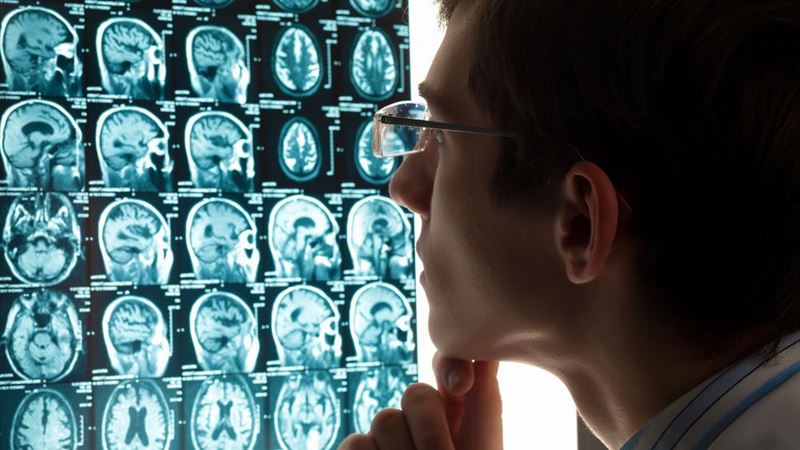
Brain cancer remains one of the most challenging diseases, requiring a multifaceted treatment strategy tailored to each patient's unique condition. When dealing with brain tumors, surgery often plays a crucial role, but in many cases, simply removing the tumor isn't enough to ensure complete eradication. Surgeons might need to remove part of the brain tissue surrounding the tumor to eliminate all malignant cells, but such decisions require careful consideration and thorough discussions between patients and healthcare providers. Understanding the risks and benefits of surgical intervention is essential to make informed choices and set realistic recovery expectations.
In addition to surgery, radiation therapy is a cornerstone of brain cancer treatment, used either for palliation or as part of a combined approach. Radiation therapy utilizes high-energy beams targeted precisely at tumor sites to destroy cancer cells. The modality of radiation—whether external beam radiation, stereotactic radiosurgery, or whole-brain radiation—depends on the tumor's size, location, and invasiveness. External Beam Radiation Therapy (EBRT) is common, where radiation is delivered from outside the body, focusing on the tumor to minimize damage to surrounding healthy tissue. For small, well-defined tumors, stereotactic radiosurgery (such as Gamma Knife or CyberKnife) allows for delivering a high dose of radiation in a single session, targeting tumor cells with pinpoint accuracy. Whole-brain radiation is generally reserved for cases where multiple tumors exist or when there is widespread disease within the brain.
While effective, radiation therapy can cause side effects that vary in severity depending on the dose and treatment area. Common side effects include fatigue, scalp irritation, hair loss localized to the treatment region, and neurological symptoms such as headaches, nausea, or cognitive changes. Healthcare professionals weigh these risks against potential benefits to optimize patient outcomes.
RadioSurgery offers an innovative approach by delivering a concentrated dose of radiation directly to the tumor, causing tumor cell death while sparing surrounding healthy tissue. This stereotactic method is especially beneficial for patients with small tumors or those who are not candidates for traditional surgery.
Chemotherapy is another critical component in the treatment arsenal, particularly useful when cancer cells have spread beyond the primary tumor site. Chemotherapeutic agents can be administered orally or intravenously, depending on the specific drugs and treatment protocols. Chemotherapy works by targeting rapidly dividing cancer cells, but it can also affect healthy cells, leading to side effects such as nausea, hair loss, fatigue, lowered immune function, and increased risk of infection. The choice of chemotherapy regimen depends on the tumor type, location, and extent of disease, with healthcare teams carefully managing doses to maximize effectiveness while minimizing adverse effects.
Targeted drug therapy represents a newer frontier in brain cancer treatment, focusing on specific molecular abnormalities within cancer cells. These medications aim to interfere with pathways essential for tumor growth and survival. For example, certain drugs block abnormal blood vessel formation (angiogenesis), starving the tumor of nutrients and oxygen, which ultimately leads to tumor regression. Because tumors are heterogeneous, each may harbor unique molecular targets, necessitating personalized treatment plans. By honing in on these specific abnormalities, targeted therapies offer hope for improved outcomes with fewer side effects compared to traditional chemotherapy drugs.
In recent years, immunotherapy has also gained attention as a promising approach, utilizing the body's immune system to recognize and attack cancer cells. Although still under investigation in brain tumors, immune checkpoint inhibitors and vaccine-based strategies show potential for future therapies. Integrating these multimodal treatments—surgery, radiation, chemotherapy, targeted therapy, and immunotherapy—can significantly improve survival rates and quality of life for patients battling brain cancer.