
Comprehensive Guide to Various Types of Residential Security and Alarm Systems
Explore an in-depth overview of various home alarm systems including burglar alarms, fire detectors, and critical system monitors. Learn about different installation options, integration capabilities, and how to choose the best security solutions for your residence. This comprehensive guide helps homeowners understand modern security technologies to protect their loved ones and property effectively.
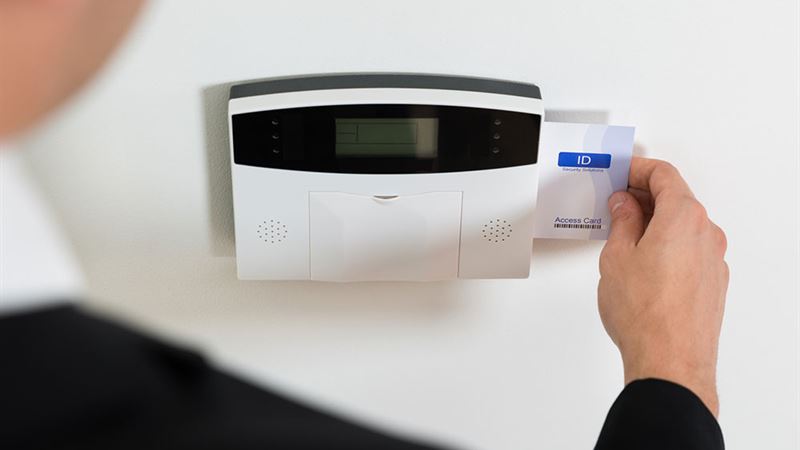
1. Intrusion Detection and Burglar Alarm Systems
Intrusion and burglary alarms are the cornerstone of residential security. Designed specifically to deter unauthorized entries, these systems trigger alerts when intruders attempt to access your property without permission. They serve as an effective deterrent for burglars, reducing the likelihood of break-ins and thefts. Typically, these systems consist of several key components:
- Motion detectors that sense movement within designated areas.
- Door and window sensors that detect unauthorized opening or forced entry.
- A central control panel that manages all connected sensors and devices.
- A user-friendly keypad for armament and disarming the system.
Wired Versus Wireless Systems
When selecting a burglar alarm, homeowners have the choice between wired and wireless configurations. Wired systems involve physical cables connecting sensors to the control panel, providing a reliable connection with minimal interference. However, installation can be labor-intensive and less flexible in terms of relocation or expansion.
Wireless alarm systems, on the other hand, use radio frequency signals to communicate with the central hub, making installation easier and less invasive. They also allow for greater flexibility in adding or removing sensors. Modern wireless systems are highly secure, employing encryption methods to prevent signal interference or hacking.
2. Fire and Safety Alarm Systems
Fire safety is an essential aspect of home security. Smoke and fire alarms are widely used in residential settings for their affordability and effectiveness. They alert residents promptly, allowing ample time to evacuate or address the emergency. These alarms can be categorized based on their detection methods:
- Battery-operated smoke detectors, which are cost-effective and easy to install.
- Hard-wired smoke detectors connected to an electrical system, often with battery backups for continued operation during outages.
Advanced fire alarm systems incorporate multi-sensor technology, including smoke detectors, heat sensors, and even carbon monoxide detectors. Such integrated systems offer comprehensive monitoring, detecting different types of hazards. For example, heat sensors trigger an alarm when specific temperature thresholds are exceeded, indicating a fire outbreak even before smoke is visible.
Additionally, in-home sprinkler systems can be connected to fire alarms, providing a proactive response to suppress fires before they cause significant damage. The combination of smoke detection and sprinkler activation is highly effective in minimizing property loss and saving lives.
3. Critical System Monitoring and Alert Systems
Modern homes are equipped with complex systems such as HVAC, plumbing, and electrical networks. Malfunctions within these systems can lead to costly damages or hazardous conditions if not promptly addressed. Critical alarm systems are designed to monitor these essential components, providing early warnings of issues to prevent escalation.
- Heating, ventilation, and air conditioning (HVAC) system alarms detect failures or irregularities, such as temperature swings or system malfunctions.
- Water leak detectors and flood alarms monitor plumbing integrity, alerting homeowners to leaks, pipe bursts, or basement flooding.
- Electrical fault detectors can identify overloads or short circuits, reducing fire risks.
Water and Leak Detection
Water alarms are vital for preventing extensive water damage. They are installed near potential leak sources, such as under sinks, water heaters, or in basements. When a leak is detected, the system triggers an alarm, allowing immediate action to shut off water supply or contact emergency services.
Alarm systems can also be integrated with smart home technology, enabling remote monitoring via smartphones or IoT platforms. This connectivity ensures homeowners stay informed about their system status, regardless of their location.
4. Integration and Customization of Home Security Systems
Modern security solutions emphasize flexibility and integration. Many alarm systems can be interconnected with surveillance cameras, doorbell cameras, and smart home devices. This integration allows homeowners to monitor and control their security environment through centralized applications on smartphones or tablets.
Customizable options include setting specific zones for different alerts, integrating surveillance footage for real-time viewing, and automating responses such as locking doors or turning on lights when an alarm is triggered. Select systems also boast compatibility with voice assistants like Alexa or Google Home, enabling hands-free control.
5. Selecting the Right Home Alarm System
Choosing the right alarm system depends on various factors such as home size, security needs, budget, and personal preferences. Conducting a thorough security assessment can help identify vulnerable points and tailor solutions accordingly. Consulting professional security providers ensures the installation of high-quality, reliable systems with proper configuration.
Online reviews, certifications, and customer feedback are valuable resources when evaluating different brands and models. Additionally, consider future scalability, ease of use, and potential integration with existing smart home infrastructure.
6. Installation, Maintenance, and System Upgrades
Proper installation is critical for optimal system performance. It is advisable to hire licensed professionals who understand the nuances of security device placement and wiring. Regular maintenance, including sensor testing, battery replacements, and software updates, ensures continued reliability.
As technology advances, systems should be upgraded to incorporate new features such as AI-driven threat detection, enhanced encryption, and improved user interfaces. Keeping abreast of the latest innovations can significantly bolster your home security.
7. Legal and Privacy Considerations
Homeowners must be aware of privacy laws and regulations pertaining to surveillance and data collection. Installing cameras and monitoring devices should comply with local laws, respecting neighbors’ rights and privacy boundaries. Clear policies and consent procedures are essential for ethical security practice.
8. The Future of Home Security and Alarm Technology
The industry is moving toward smarter, more interconnected systems driven by advancements in AI, IoT, and 5G technology. Future developments include predictive analytics, facial recognition, and automated threat response, ushering in an era of proactive home security.
Investing in these innovations can provide unparalleled protection, peace of mind, and integration with other smart home devices for a truly secure living environment.