
Comprehensive Guide to Different Types of Security Alarm Systems and Their Features
Discover an in-depth overview of various security alarm system options, their technological features, and benefits. Learn how to choose the best security solution to protect your home or business effectively. This comprehensive guide covers burglar alarms, fire alarms, monitored and unmonitored systems, wireless solutions, and integration with modern tech like cameras and remote monitoring, helping you make informed decisions for maximum security.
Security is a top priority for homeowners and business owners alike. An effective security alarm system can provide peace of mind by deterring intruders, alerting occupants to threats, and integrating advanced technology for better protection. Whether you're safeguarding your residence, retail store, or large commercial complex, choosing the right alarm system tailored to your specific needs is crucial. This extensive guide explores the diverse options available in security alarm systems, their technological features, advantages, and considerations to help you make an informed decision.
In modern security architecture, alarms serve a critical role in protecting assets, loved ones, and sensitive information. The evolution from traditional wired systems to sophisticated wireless solutions has expanded the choices available. The selection process should consider factors like cost, ease of installation, maintenance, and compatibility with other security devices. Here, we delve into various alarm categories, including burglar alarms, fire alarms, monitored versus unmonitored systems, wireless options, and electronic alarms, providing detailed insights into the benefits and limitations of each.
Burglar and Intrusion Alarms
Among the most common security devices are burglar alarms designed specifically to detect unauthorized entry into premises. These alarms can be configured to alert property owners and authorities promptly, often deterring potential intruders before they commit a crime. Modern burglar alarm systems utilize a combination of sensors, such as motion detectors, door/window contacts, and glass break sensors for enhanced coverage.
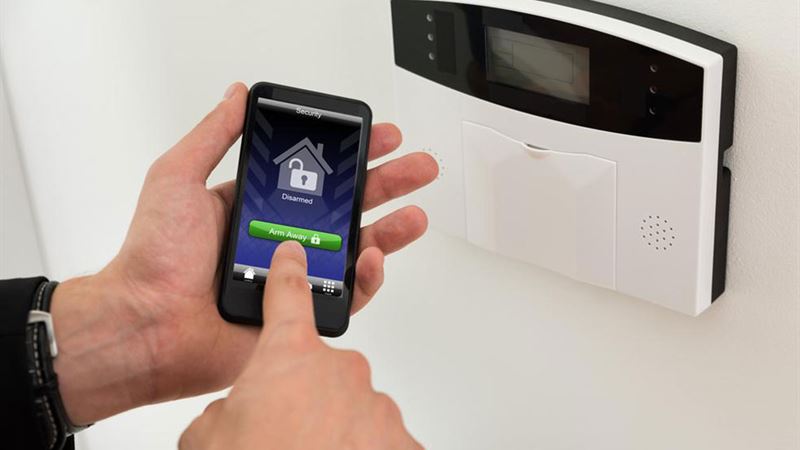
Many alarm systems incorporate innovative technology, offering a range of features such as remote monitoring via smartphones, smartphone integration, and customizable alert settings. These advancements enable property owners to receive instant notifications, view security footage, and control alarms remotely, providing greater flexibility and control over the security system.
Technological Innovations in Alarm Systems
With rapid advancements in technology, security systems now boast features like smart integration, AI-based monitoring, and advanced sensor technology. These innovations enhance the accuracy and reliability of alarm systems while providing more actionable insights. Commonly used technologies include:
- Unmonitored alarms: These are basic systems that sound a local alarm when triggered, serving as a visual and auditory warning to visitors or intruders. Since they are not connected to monitoring centers, they are cost-effective but rely solely on local alerts.
- Monitored alarms: When activated, these systems communicate with a monitoring station that can alert law enforcement, fire departments, or security personnel. This option provides a higher level of security but incurs ongoing subscription fees.
- Wireless alarms: These systems leverage Wi-Fi, cellular, or radio signals, making installation straightforward and flexible. They are perfect for temporary setups or locations where wire installation is not feasible, though batteries need regular replacement to maintain functionality.
- Video surveillance integration: Many modern alarm systems incorporate cameras that offer real-time video feeds, motion detection, and recorded footage, greatly enhancing security, especially in commercial settings.
- Electronic alarms: Usually used to secure specific entry points like doors and windows, these alarms can also be integrated with other security devices. They are generally affordable but sometimes susceptible to electrical interference, which can cause false alarms.
Choosing the right alarm system depends on a variety of factors including your property size, security risk level, budget, and whether you prefer a wired or wireless setup. Always evaluate the need for remote access, integration with other security devices, and the necessity of professional monitoring. Regular maintenance, testing, and updates are key to ensuring the system’s effectiveness and longevity.
In summary, a well-equipped security alarm system is essential in today’s security landscape. Options range from basic local alarms to complex, integrated security solutions featuring remote monitoring and video surveillance. Tailoring your security setup to your specific needs ensures the safety of your assets, property, and loved ones. Consulting with security professionals can help identify vulnerabilities and recommend the most suitable alarm systems for your premises, providing peace of mind in an increasingly unpredictable world.