
Comprehensive Overview of Various Disability Types and How to Support Them
This comprehensive guide explores the various types of disabilities, including congenital, mental health, intellectual, acquired brain injuries, autism, and physical disabilities. It discusses causes, symptoms, and ways society can support and foster inclusivity. Enhancing awareness and understanding promotes a more compassionate society dedicated to respecting the dignity and rights of all individuals. Learn how empathy, suitable interventions, and accessible environments can significantly improve the lives of people with disabilities and foster true inclusion.
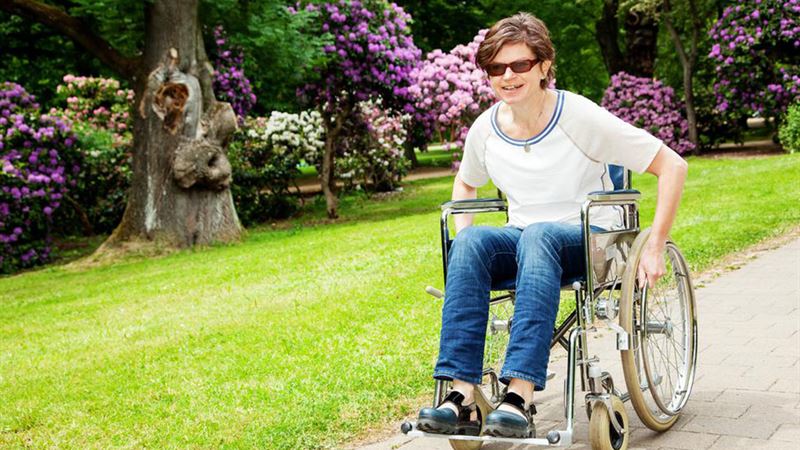
Disabilities come in various forms, each impacting individuals differently and requiring tailored approaches for support and inclusion. Understanding these disabilities is vital for fostering a compassionate society that respects the dignity and rights of all individuals. From congenital conditions to acquired injuries, each type of disability presents unique challenges and opportunities for society to provide appropriate support. This extensive guide explores the most common types of disabilities, their causes, manifestations, and how friends, family, and communities can assist in creating an inclusive environment.
Congenital and Developmental Disabilities: Some individuals are born with disabilities due to genetic or developmental factors. Conditions like congenital hearing loss, visual impairments, or physical deformities are present from birth. For instance, cochlear defects result in hearing impairments that can be effectively managed with assistive devices such as cochlear implants. Early diagnosis and intervention are crucial in maximizing these individuals' potential. Developmental disabilities, including autism spectrum disorder (ASD), impact social skills, communication, and behavioral development. The spectrum nature of autism means each individual experiences it uniquely, necessitating personalized support strategies. Educational and behavioral therapies can significantly enhance quality of life for those affected.
Mental Health Conditions and Psychological Disorders: Mental health challenges affect a person's emotional, psychological, and social well-being. Disorders like depression, anxiety, schizophrenia, and personality disorders influence thoughts, feelings, and actions. These conditions can affect daily functioning, relationships, and overall stability. Raising awareness reduces stigma and encourages individuals to seek help. Treatments include therapy, medication, and community support groups. Living with mental health disorders requires patience, understanding, and a non-judgmental attitude from society to help individuals lead fulfilling lives.
Intellectual Disabilities: These disabilities involve limitations in intellectual functioning and adaptive behavior, affecting daily living skills such as communication, self-care, and social interaction. People with intellectual disabilities might face challenges in education, employment, and social integration. Early supportive interventions, inclusive education, and vocational training promote independence and community participation. Society's role is essential in providing accessible environments and removing barriers that hinder inclusion and equal opportunity.
Acquired Brain Injuries and Neurological Damage: Brain injuries acquired during a person’s lifetime, due to trauma, infection, or oxygen deprivation, can lead to complex disabilities. Concussions, strokes, and tumors are common causes. These injuries may result in physical impairments, cognitive deficits, or emotional and behavioral changes. Men tend to be more affected by certain brain injuries than women. Rehabilitation involving physical therapy, occupational therapy, and psychological support plays a vital role in maximizing recovery and adapting to new abilities.
Autism Spectrum Disorder (ASD): Autism encompasses a range of neurodevelopmental conditions characterized by differences in social communication, repetitive behaviors, and sensory sensitivities. Asperger’s syndrome and atypical autism are part of this spectrum. Individuals with ASD often have difficulty with verbal and non-verbal communication, making social interactions challenging. Support strategies include behavioral therapy, social skills training, and sensory integration techniques. Increasing public awareness and acceptance helps create supportive environments where individuals with ASD can thrive.
Physical Disabilities: Physical disabilities involve impairments in mobility, dexterity, or bodily functions. Common examples include paralysis, limb amputations, mobility impairments, and chronic stamina issues. These disabilities may arise from accidents, illnesses, or congenital conditions. Assistive devices like wheelchairs, prosthetics, and mobility aids enhance independence and participation in daily activities. Accessibility modifications in buildings, transportation, and public spaces are crucial for ensuring full inclusion of individuals with physical disabilities.
In recognizing and supporting people with disabilities, patience, empathy, and awareness are essential qualities. Society must promote inclusivity through education, accessible infrastructures, and supportive policies. Small acts of kindness, providing assistance when needed, and advocating for equal rights make a significant difference. Each person’s experience with disability is unique, and fostering an environment of understanding and respect helps improve their quality of life and societal integration.