
Comprehensive Guide to Various Types of Gym Equipment and Their Functional Uses
This comprehensive guide explores the various types of gym equipment, including standing calf machines, dumbbells, triceps bars, benches, plyometric platforms, and power racks. It details their features, proper use, and benefits for building strength, improving athletic performance, and enhancing overall fitness. Whether you're setting up a home gym or optimizing your workout routine, understanding these tools is crucial for achieving your fitness goals safely and effectively.
Standing Calf Machine
The standing calf machine is a popular piece of gym equipment designed specifically for developing the calf muscles. Unlike the seated calf raise, this machine allows for a different angle of engagement, providing a comprehensive workout for your lower legs. It primarily targets the gastrocnemius muscle, which forms the visible part of the calf, helping to improve both strength and muscle definition. Using the standing calf machine also benefits ankle joint stability, supporting overall balance and athletic performance. Whether you're aiming for aesthetic muscle growth or functional strength, incorporating this machine into your routine can yield significant results. Proper technique involves standing with the balls of your feet on the platform, keeping your heels free to move, and lifting by pushing through your toes. As you become more experienced, you can add resistance by holding weights or increasing the machine's load capacity, allowing progressive overload for optimal growth.
Dumbbells
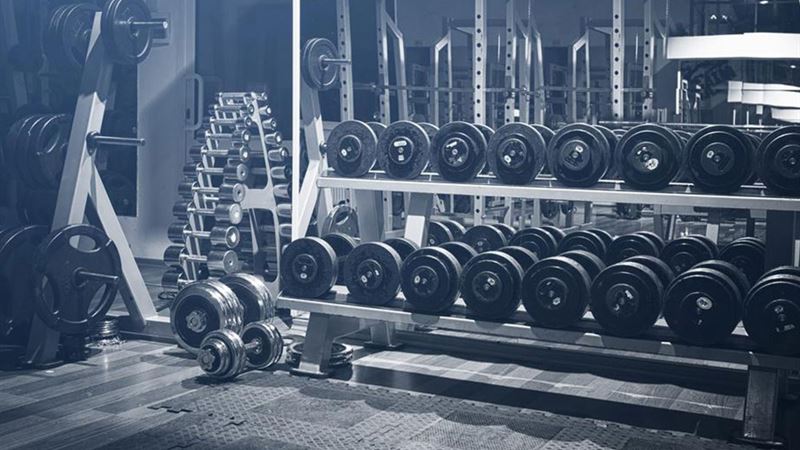
Dumbbells are versatile, handheld weights that are essential in nearly all gym settings, from home gyms to professional fitness centers. They come in a variety of weights, styles, and sizes to accommodate users of different fitness levels. Adjustable dumbbells are particularly popular because they allow you to modify resistance easily with small collars or clips, eliminating the need for multiple sets. Dumbbells are excellent for a wide array of exercises, including presses, curls, rows, and lunges, targeting various muscle groups with precision. Their free-weight design requires stabilizer muscles to engage, aiding in functional strength development and improving balance. Dumbbells are an accessible and cost-effective solution for building muscle, toning, and physical therapy routines. Proper form and controlled movements are key to maximizing benefits and preventing injuries. Many gyms organize their dumbbells on racks, categorized by weight, making it convenient to select the right load for your workout. Regularly incorporating dumbbell exercises can enhance muscular symmetry, boost metabolism, and support overall fitness goals.
Triceps Bar
The triceps bar, also known as an easy curl or triceps extension bar, is an oval-shaped exercise implement equipped with dual parallel handles. It is commonly used for isolating and strengthening the triceps brachii muscles located on the back of your upper arms. However, this bar is highly versatile and can also be employed for exercises targeting other upper-body muscles, such as bicep curls, shoulder presses, and front raises. The design of the triceps bar allows for a neutral grip, which can reduce stress on the wrists and elbows during heavy lifting, making it suitable for individuals with joint sensitivities. To perform triceps extensions, grip the handles and extend your arms overhead or behind you, focusing on squeezing the triceps at the top of the movement. Using this bar enables controlled, effective isolation of the triceps muscles for hypertrophy, strength, or muscular endurance training. Ensuring proper technique, such as maintaining a stable core and controlled movement, is vital to maximize effectiveness and prevent strain. Integrating the triceps bar into your upper-body workouts can lead to stronger, more defined arms and improved pressing strength for other lifts.
Gym Benches
The gym bench is a fundamental piece of equipment found in virtually every fitness facility. It comes in various variants, including flat, incline, decline, and adjustable models, each suited to different exercises and body mechanics. Flat benches are used for traditional presses and weight training, while incline and decline benches facilitate targeting specific portions of the chest muscles and shoulders. Adjustable benches offer versatility, allowing users to set the backrest to multiple angles for varied exercises. Many benches feature side racks or attachments for holding dumbbells, barbells, or other accessories. Some specialized benches are designed for particular workouts—such as hyperextension benches for lower back, hamstring, and glute exercises, or preacher benches optimized for bicep curls. The hyperextension bench, for example, supports lower back and core strengthening, with some models doubling as sit-up stations. Preacher benches elevate your arms to reduce swing and momentum during curls, leading to more effective bicep training. The abdominal bench is designed for core exercises, with foot rollers to secure position and prevent slipping during crunches or leg raises. The variety of benches allows for comprehensive strength training targeting different muscle groups efficiently and safely. Adjustable settings grant the flexibility to progress over time by increasing angles or resistance, making them important equipment for beginners to advanced athletes.
Plyometric Platforms
Plyometric or plyo platforms are sturdy, elevated surfaces used primarily to enhance explosive power, agility, and overall muscular coordination. These platforms come with adjustable height settings, enabling users to tailor difficulty levels according to their skill and training needs. Plyometric exercises, such as box jumps, step-ups, and depth jumps, harness the stretch-shortening cycle of muscles to generate maximum force rapidly. Incorporating plyometric platforms into workouts enhances athletic performance in sports that require quick bursts of speed and power, like basketball, football, and track events. They also serve as effective tools for strength training, improving joint stability and proprioception. The key to safe and effective plyometric training is proper technique—starting with lower heights and gradually progressing as strength and confidence increase. These platforms are widely used in functional training programs and rehabilitation settings to promote explosive strength, muscular endurance, and dynamic movement control. Their rugged construction ensures stability and safety during high-impact exercises, making them indispensable for athletes and fitness enthusiasts aiming to elevate their training regime.
Power Racks
The power rack, also known as a squat rack or power cage, is a cornerstone for serious weightlifters. It provides a secure environment to lift heavy loads without the need for a spotter, making it essential for high-intensity training. The structure comprises steel rails that form a cage or frame, allowing users to perform squats, bench presses, and other barbell movements with confidence. Safety features, such as adjustable safety stops or hooks, enable lifters to set their desired safety net at specific heights, preventing accidents in case of failure. Power racks also facilitate a variety of exercises, including pull-ups, rack pulls, and manageability for unconventional lifts. Their durable construction ensures stability during heavy lifts, providing peace of mind and safety. For home gyms or commercial facilities, installing a power rack significantly expands the range of effective strength workouts that can be performed independently or with minimal assistance. Proper use and setup of the power rack are vital, including correct height adjustments and safety positioning. Regular use of power racks can substantially improve maximal strength, muscle hypertrophy, and overall athletic performance. They are ideal for weightlifting, powerlifting, bodybuilding, and functional fitness routines, forming the backbone of progressive resistance training programs.