
Ultimate Guide to Enhancing Strength with Water-Based Exercises
Discover comprehensive water-based strength training routines designed to boost muscle endurance and improve joint safety. This guide covers warm-up tips, lateral high-knee marches, carioca, broad shuffle, and rotational movements, all adaptable for swimmers and fitness enthusiasts. Water workouts offer a low-impact yet highly effective way to enhance strength, balance, and flexibility. Perfect for injury recovery, seniors, or anyone seeking a fun, safe exercise environment. Incorporate these workouts into your weekly routine for stronger muscles and improved overall fitness, all while enjoying the benefits of aquatic exercise.
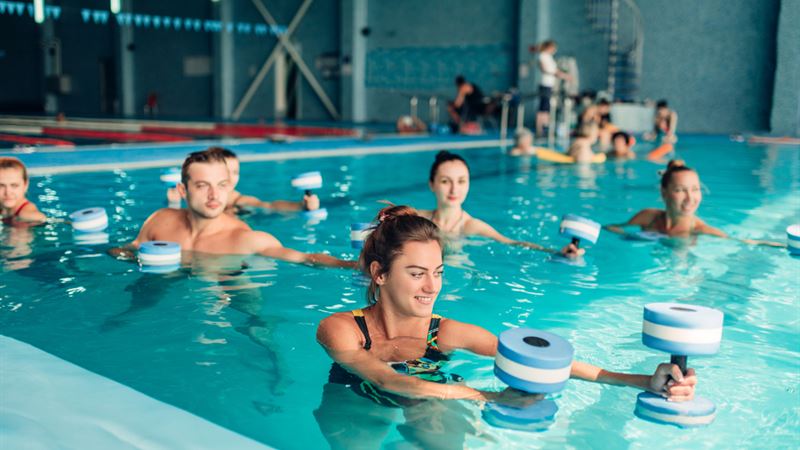
Water workouts have become increasingly popular among fitness enthusiasts and rehabilitation professionals alike. Exercising in aquatic environments offers unique benefits, combining resistance training with low-impact movements that safeguard joints and muscles. These workouts are particularly advantageous for those recovering from injuries, seniors, or anyone seeking an effective yet gentle way to build strength and endurance. Embracing water-based exercises can revolutionize your workout routine, making it safer, more enjoyable, and highly effective. Below, you’ll discover comprehensive details about five powerful water workouts designed to enhance muscle strength and promote overall fitness.
Engaging in water exercises involves navigating through water resistance, gravity, and buoyancy. These elements work synergistically, creating an environment that promotes muscle engagement and cardiovascular workout without overloading your joints. The natural support provided by water allows for a greater range of motion and prevents injuries, making it an ideal setting for both beginners and seasoned athletes looking to diversify their training. Whether you're aiming to increase muscular endurance, improve flexibility, or recover from an injury, water workouts offer an adaptable approach suitable for all fitness levels. Here’s a step-by-step guide to five essential water exercises that can be incorporated into your fitness regimen today.
Starting your aquatic strength workout with proper warm-up routines is crucial. It prepares your muscles, activates circulation, and reduces the risk of strains or sprains. The warm-up not only enhances performance but also encourages mental focus, setting the tone for an effective session. A simple yet effective warm-up involves performing a gentle march in the water, which elevates your heart rate gradually. To execute this, enter the pool and stand in a comfortable, chest-deep section. Lift your knees to waist level, swinging your arms naturally to mimic a marching movement. Maintain this activity for about 45 seconds, followed by a short 15-second break. Repeat this cycle three times to ensure your muscles are adequately prepared for the more intense exercises ahead.
Once warmed up, you can elevate the intensity by incorporating lateral high-knee marches. This exercise challenges your core, leg muscles, and improves lateral stability. Stand in water that reaches your chest, and perform a high-knee march but with a twist—moving your knees side to side rather than forward. Simultaneously, swing your arms opposite to your knee movement to engage your upper body. This movement simulates a quick side-to-side gait, enhancing hip mobility and leg strength. Perform multiple sets with 45 seconds of activity followed by a 15-second rest to maximize effectiveness. This lateral high-knee march not only builds strength but also enhances coordination and balance, critical components in a comprehensive fitness program.
Next, introduce the fun and dynamic exercise called the water-based carioca, a lateral shuffle pattern adapted for aquatic environments. Traditionally performed on land, this movement in water involves crossing one foot in front of or behind the other while shifting sideways. Stand in a chest-deep pool with your palms held together in front of your chest, facing your feet. Cross your right foot over your left, shifting your upper body slightly to the right. Then, cross your right foot behind your left, moving further to the right. Repeat this pattern for the left side, crossing your left foot in front of and behind your right. This fluid, rhythmic movement engages your hips, thighs, and core, improving agility and coordination. Aim for 30 seconds per set, with 15-second breaks in between, to build muscular endurance and enhance directional control in water.
Following the carioca, the sideways broad shuffle is an excellent exercise for developing lateral strength and power. Begin by lifting your right leg and stepping wide to the right with a deliberate, controlled motion. Then, bring your left leg to meet your right in a broad step to complete one repetition. The key is to maintain balance and control while exaggerating the side-to-side movement. To intensify the workout, increase speed gradually as your strength and confidence improve. Perform two sets of 30 seconds each, alternating sides, ensuring you work both muscle groups evenly. This exercise not only boosts leg and hip strength but also enhances overall stability—crucial for everyday movements and athletic performance.
Finish your water workout with a rotational swimming motion designed to cultivate torso flexibility and rotational strength. Position yourself with feet shoulder-width apart in chest-deep water. Extend your arms forward, palms touching each other to create a narrow base of support. Engage your core muscles and rotate your hips and torso to one side, driving your arms horizontally through the water. Rotate fully, aiming for a 180-degree turn, then reverse to the other side. This motion mimics swimming strokes and core twists, challenging the obliques and lower back. Repeat for 30 seconds per side, with a brief 15-second rest. Perform multiple sets to strengthen your rotational muscles, which are vital for sports, daily tasks, and injury prevention.
Integrating these five water exercises into your weekly workout plan can significantly boost your strength, muscular endurance, and flexibility. The low-impact nature of water workouts makes them accessible, safe, and highly adaptable for individuals across all age groups and fitness levels. Remember, consistency is key—gradually increase the duration and intensity as your body adapts to the resistance training. Always listen to your body, and consult with healthcare professionals if you’re recovering from injuries or have underlying health concerns. Embrace water workouts not just as an alternative, but as a powerful addition to your fitness toolkit. Dive into water exercise routines today to enjoy a healthier, stronger, and more resilient body over time.